

Buying a home is one of the most significant investments you'll ever make. From location to layout, plumbing to the roof, buyers have a checklist a mile long. But there's one invisible danger that many overlook — radon gas. If you're in the market for a new home, radon testing shouldn't be optional. It should be a non-negotiable part of your home inspection process.
In this article, we'll break down what radon is, why it's dangerous, and why testing for radon during a home inspection could save you from future headaches — or even save your life.
What Is Radon and Why Should You Care?
Radon is a naturally occurring radioactive gas that forms when uranium in soil, rock, or water breaks down. You can’t see it, smell it, or taste it, but when it enters your home, it can accumulate to dangerous levels — especially in basements or crawl spaces.
The real danger? Radon is the second leading cause of lung cancer in the United States, only behind smoking. According to the EPA, radon exposure causes around 21,000 lung cancer deaths each year. That’s a staggering number, especially for something so easy to test and prevent.
How Does Radon Get Into a Home?
Radon gas enters homes through cracks in foundations, gaps around pipes, sump pits, floor drains, and even construction joints. Because it comes from the ground, homes with basements or built on slabs are particularly vulnerable.
Once inside, it can become trapped — and without proper ventilation or a mitigation system, levels can rise quickly. Even new homes built to code can have high radon levels if they're in a high-radon zone.
Why Radon Testing Should Be a Home-Buying Priority
You wouldn’t buy a home without checking for mold, termites, or a leaky roof. So why would you skip testing for a colorless, odorless, radioactive gas?
Here’s why radon testing deserves a top spot on your pre-purchase checklist:
- It’s affordable and easy. Testing costs a fraction of what you’ll pay in closing costs — and takes very little time.
- It protects your family’s health. Why gamble with something so serious?
- It can affect property value. High radon levels can require mitigation systems, which could become a negotiation point in your sale.
- It gives you negotiation leverage. If high levels are found, you can request the seller handle mitigation before you move in.
What Are Safe Radon Levels?
The EPA recommends action be taken if a home’s radon level is 4.0 picocuries per liter (pCi/L) or higher. However, there is no truly “safe” level of radon — even lower levels can pose a risk over time.
In fact, the World Health Organization recommends action at 2.7 pCi/L, citing cancer risks at even modest concentrations. If your dream home tests high for radon, that’s not a deal-breaker — but it is a sign to take action.
How Is Radon Testing Done?
Radon testing is simple, non-invasive, and can be completed in just a few days. There are two main types:
1. Short-Term Radon Tests
These usually last 2–7 days and are the most common method during home inspections. They’re ideal for getting a quick snapshot of radon levels. However, because levels can fluctuate daily, short-term tests aren’t always the full picture.
2. Long-Term Radon Tests
These remain in the home for 90 days or more and provide a more accurate average over time. They're useful if you've already purchased the home and want a clearer understanding of long-term exposure.
Pro Tip: Always conduct tests in the lowest livable level of the home — usually the basement — and make sure windows and doors stay closed as much as possible during testing for the most accurate reading.
What Happens If a Home Has High Radon?
Don’t panic. High radon levels aren’t a deal-breaker — but they do need to be addressed.
The most common solution is a radon mitigation system, which usually involves a vent pipe and fan that pulls radon gas from beneath the house and vents it safely outside. These systems typically cost between $800 and $1,500, depending on the home's size and design.
While it’s an added expense, it's far less costly than the long-term health consequences of ignoring the problem.
Who Should Pay for Radon Mitigation — Buyer or Seller?
This depends on local customs and negotiation, but in many cases:
- If high levels are found during a buyer’s inspection, the buyer may request the seller install a mitigation system before closing.
- If you’re a seller and you want to make your property more attractive, conducting a pre-listing radon test and addressing any issues upfront can make your home more appealing and trustworthy.
Radon isn’t a stigma — it’s a fixable issue. But transparency and proactive measures go a long way.
State Regulations and Radon Zones Matter
Some states, such as Illinois, Minnesota, and Pennsylvania, have stricter regulations around radon disclosure during real estate transactions. Others have voluntary guidelines, but not mandatory testing.
Additionally, the EPA publishes a Radon Zone Map, which divides the U.S. into three zones:
- Zone 1: Highest potential for elevated radon levels
- Zone 2: Moderate potential
- Zone 3: Lowest potential
Regardless of zone, the EPA recommends testing every home — even in areas considered “low risk,” homes can still have elevated radon levels based on local soil and construction.
Why DIY Radon Tests Aren’t Always Enough
While you can buy DIY radon test kits online or at a hardware store, they’re not always the best choice when buying a home.
Here’s why:
- Accuracy matters when making such a big purchase. Professional testers often use continuous radon monitors (CRMs) that deliver far more reliable results.
- Timing and placement errors are common with DIY tests, especially if sellers are unaware of how to prepare the home properly.
- A professional report carries more weight in negotiations than a DIY kit.
In short: DIY is great for routine checks after you move in, but let a pro handle the test during your inspection window.
What If the Home Already Has a Radon System?
Good news! If the home already has a radon mitigation system, you’re ahead of the game. But don’t stop there — systems can fail over time.
Be sure your inspector checks that:
- The fan is running properly
- There's proper labeling
- The discharge point is far enough away from windows or vents
- There’s a manometer installed to monitor system pressure
Just like a furnace or roof, mitigation systems need periodic inspection and maintenance.
How to Add Radon Testing to Your Home Inspection
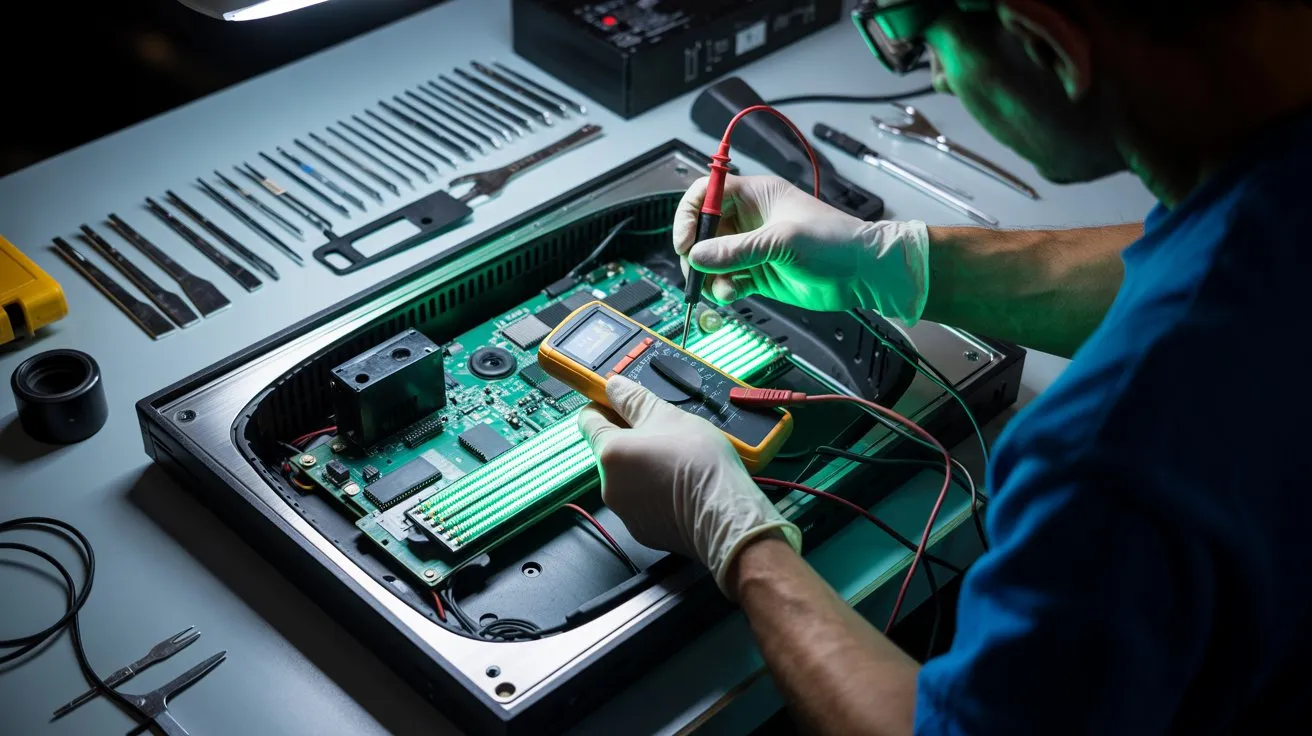
It’s easy — just ask! Most home inspectors offer radon testing as an add-on service. For an extra $100–$300, you’ll gain critical insight into your future home’s safety.
When scheduling your inspection:
- Confirm radon testing is available.
- Ask what type of device they use. CRMs are most accurate.
- Ensure the test will comply with EPA protocols.
Getting radon testing done early gives you time to negotiate repairs, request mitigation, or even reconsider your offer if the seller refuses to address a major problem.
Conclusion: Radon Testing Is a Smart Move Before You Sign
Buying a home is exciting, but it shouldn’t come at the cost of your health. Radon testing is fast, affordable, and potentially life-saving — and there’s simply no reason to skip it.
Whether you’re a first-time buyer or a seasoned real estate investor, make sure your home inspection includes radon testing. Services like Colorado Springs Radon Mitigation make the process simple and stress-free, so you can move forward with confidence.
Don’t gamble with your family’s health. Radon test — and breathe easier knowing your new home is safe.





















Sign in to leave a comment.