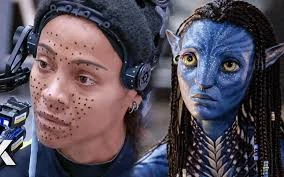

This guide is intended for those just starting out who want to combine their love of digital art, technology, design, code, and film with a job. You are the kind of person who realizes that you're actually not cut out for the medical or financial fields. You also know that you'll never want to go to work dressed in a suit. But to begin with, you need some assistance. It's also a terrific resource to show your parents and guardians, who are probably wondering why you are so happy and what the heck you are talking about.
What is Visual Effects?
Fundamentally, the process of creating computer visuals to alter or improve real-world video that has been captured with a video camera is known as visual effects, or VFX.
In order to create landscapes that look realistic but would be risky, costly, impractical, time-consuming, or impossible to shoot on film, visual effects combines created imagery with video camera footage.
Visual effects are frequently used in television advertisements, broadcast shows, advertising, architecture, and more besides huge blockbuster movies.
Why Career in in Visual Effects?
Perhaps because it's a profession that perfectly combines creativity, cutting-edge technology, and storytelling. It can also be the case that you are a movie buff and wish to hang out with the celebs on set. Perhaps you'd like a job that lets you work from home or travel the world. Perhaps it's because you enjoy creating things with your hands and on the computer, like drawing and building things. There are a plethora of reasons to pursue a career in visual effects, and you have access to dozens of potential career pathways in a variety of industries.
Key VFX Roles
Visual effects creation is a time-consuming, difficult, and highly complex process. There are chances for all kinds of people, from die-hard programmers to illustrators and non-artists who enjoy leading teams, because teams are big and diverse. In order to help you understand where your skills best fit, I've listed some of the most popular creative and technical responsibilities below. Everyone plays a significant role in creating the final visual effects.
Important Skills required to become a VFX artist
People can find plenty of work in the visual effects business. There are several crucial abilities you should concentrate on developing early in your training if you're interested in positions that require greater creativity and technical expertise.
The abilities I'm speaking of have nothing to do with technology or software. Those are for later, once you get down to business with your training. But having a strong foundation in these abilities will benefit you in the future years:
- Composition and light
- Visual Aesthetics
- Drawing
- Sculpture & Anatomy
- Mechanics and Movement
- Passion for Film
- Real world observation
- Communication skills
- Photography
How do I start learning Visual Effects (VFX)
There are two primary methods to begin learning Visual Effects, conventional wisdom dictates. Attend school or learn on your own at home. For both learning approaches, it is quite simple to locate compelling case studies; which should you select?
This, in my opinion, is totally up to you. Some people are adept at picking up skills on their own and don't require assistance with the labor-intensive tasks. However, some people require rigid schedules and tasks, as well as to be in the company of others. It truly depends on you and your preferred method of working.
Whatever method you choose for learning, getting started is the most crucial step. It really is that easy. Take up a book, begin drafting, view and evaluate a film, watch documentaries concerning special effects, and go to local gatherings. Just get going. No matter how excellent your education is, you will never succeed if you lack the drive and enthusiasm for this.


























Sign in to leave a comment.