
Introduction to Commodity Trading
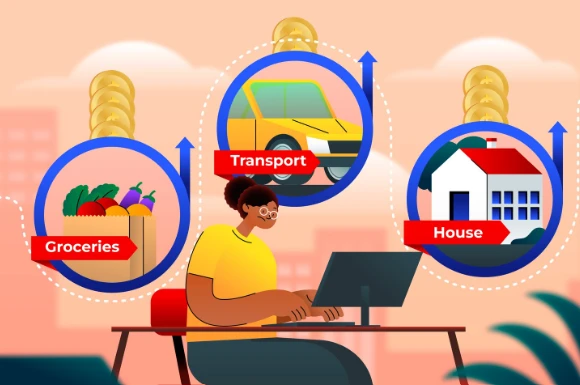
Commodity trading might sound intimidating at first, especially if you are just starting out. But in reality, it’s one of the oldest and most practical forms of trading in the world. Before there were stock markets, people were already trading goods like gold, wheat, and oil. In simple terms, commodities are raw materials or primary agricultural products that can be bought and sold. They form the backbone of global trade, and their prices affect everything from the cost of groceries to fuel for your car.
When you hear the term commodity trading for beginners, think of it as an opportunity to participate in this centuries-old practice but in a modern and structured way. Unlike stocks, which represent ownership in a company, commodities are tangible assets with real-world value. That’s why they are considered essential to the global economy. For instance, oil powers industries, gold serves as a safe-haven asset, and crops like wheat feed millions of people daily.
For beginners, understanding the basics is crucial. You don’t need to be an economist to get started, but you do need to know how commodity markets work, what influences prices, and the strategies you can use to manage risks. This guide will walk you through the essentials so you can confidently take your first steps in commodity trading.
What Are Commodities?
At its core, a commodity is a basic good used in commerce that can be exchanged with other goods of the same type. Unlike branded products, commodities are uniform. For example, one barrel of crude oil is essentially the same as another barrel of crude oil, regardless of who produced it. This standardization makes them easy to trade globally.
Commodities generally fall into four categories:
Agricultural commodities – Crops like wheat, corn, rice, coffee, and cotton.
Energy commodities – Oil, natural gas, coal, and renewable energy sources.
Metals – Both precious metals like gold and silver and industrial metals like copper and aluminum.
Livestock – Products such as cattle, pork, and dairy.
Why are commodities so important? Because they are the raw inputs that drive economic activity. Without oil, factories and transportation would halt. Without crops, food supply chains would collapse. Without metals, we couldn’t build infrastructure or technology.
For new traders, this means commodity prices are influenced not just by financial markets, but by real-world supply and demand factors like weather, political stability, technological progress, and global consumption trends. Recognizing these influences gives you an edge when entering the commodity market.
Why Commodities Matter in the Global Economy
Commodities are more than just goods to be traded; they’re the lifeblood of global economies. Take oil, for example—its price fluctuations impact inflation, currency values, and even international relations. A rise in crude oil prices doesn’t just affect gas at the pump; it ripples into manufacturing, logistics, and consumer goods.
Gold, on the other hand, is often called a “safe haven” asset. When global markets are uncertain, investors flock to gold to protect their wealth. This demonstrates how commodities provide stability in turbulent times. Similarly, agricultural products are critical for food security. A drought in one country can drive up global prices for wheat or rice, affecting millions of households worldwide.
For beginners, this interconnectedness is important. Understanding that commodity trading is not isolated but rather tied to global economic shifts can help you make better trading decisions. It also means opportunities exist everywhere. A trader in Pakistan, for example, can benefit from movements in gold prices in the U.S. or oil prices in the Middle East.
If you’re considering commodity trading for beginners, remember that you’re not just trading numbers on a screen—you’re engaging in a market that shapes the entire world economy.
What Is Commodity Trading?
Commodity trading is the buying and selling of raw materials in a structured market, usually through exchanges such as the Chicago Mercantile Exchange (CME) or the Multi Commodity Exchange (MCX). It allows individuals and institutions to speculate on the price movements of commodities or to hedge against risks.
There are two main ways to trade commodities:
Physical trading – Buying and selling the actual goods. This is more common among businesses and producers rather than individual traders.
Derivative trading – Using instruments like futures and options contracts. This is where most beginners start because it doesn’t require physically handling the commodity.
In derivative trading, you don’t actually take delivery of barrels of oil or bags of wheat. Instead, you’re trading contracts that represent an agreement to buy or sell at a future date. The value of these contracts rises and falls with the price of the underlying commodity.
For example, if you think oil prices will rise, you can buy a futures contract. If your prediction is correct, you can sell the contract later at a higher price and make a profit. This is why commodity trading appeals to many—it allows profit opportunities without needing to own or store the physical goods.
Types of Commodity Markets
To better understand how commodities are traded, let’s break down the different types of markets:
Spot Market
In the spot market, commodities are traded for immediate delivery. Prices here are often referred to as “spot prices.” This market is more relevant for businesses that require raw materials quickly rather than individual traders.
Futures Market
The futures market is where most commodity trading takes place. Futures contracts are agreements to buy or sell a commodity at a specific price and date in the future. These contracts are standardized and traded on exchanges, making them accessible to retail traders.
Options Market
Options are similar to futures but with more flexibility. Instead of being obligated to buy or sell, you have the “option” to do so. This reduces risk but also limits profit potential. Options are often used by traders to hedge their investments.
HG Markets has its own dynamics, but for beginners, futures trading is often the starting point. It provides clear rules, regulated exchanges, and plenty of liquidity, making it easier to learn and practice.
FAQs About Commodity Trading for Beginners
Is commodity trading risky for beginners?
Yes, like any form of trading, commodities carry risks. Price volatility can be high, but with the right knowledge and risk management strategies, beginners can start safely and gradually build experience.
How much money do I need to start commodity trading?
The starting capital depends on the broker and the type of commodity you’re trading. Some brokers allow you to begin with a small margin deposit, making it accessible even for beginners.
Can I trade commodities online?
Absolutely. Most brokers and exchanges now offer online platforms where you can buy and sell commodities from your computer or smartphone.
Is commodity trading suitable for long-term investing?
Yes. Commodities like gold and silver are often held as long-term investments to hedge against inflation and economic instability.
Why should I choose commodity trading instead of stock trading?
Commodity trading offers diversification. While stock markets are tied to company performance, commodity markets respond to supply-demand factors and global events. Having exposure to both can balance your investment portfolio.






















Sign in to leave a comment.