Agriculture today is undergoing a major transformation. Rising temperatures, unpredictable rainfall, increasing pest pressure, and water scarcity have made traditional open-field farming less reliable than it once was. To overcome these challenges, farmers are adopting protected cultivation methods that help create stable growing environments. One of the most practical and widely adopted solutions is Shade Net Agriculture.
Shade net agriculture is not just a modern trend—it is a scientifically backed farming approach that improves crop performance while reducing environmental stress. This beginner’s guide explains what shade net agriculture is, how it works, where it is used, and why it has become an essential tool for modern farming.
What Is Shade Net Agriculture?
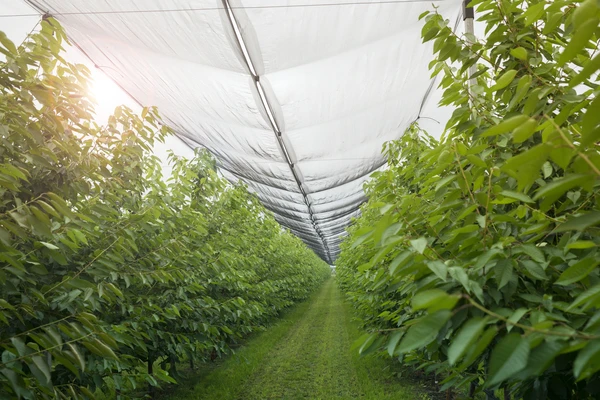
Shade Net Agriculture is a form of protected farming where crops are grown under specially designed shade nets that regulate sunlight, temperature, humidity, and wind exposure. These nets are made from UV-stabilized high-density polyethylene (HDPE) and are installed over a structural framework.
Unlike greenhouses, shade nets do not fully enclose crops. Instead, they create a semi-controlled environment that allows airflow while filtering excessive sunlight. The goal is not to isolate plants from nature but to moderate harmful climatic extremes that reduce productivity.
Shade net agriculture is especially effective in tropical and semi-arid regions where heat stress and intense sunlight directly affect crop health and yield.
How Shade Net Agriculture Works
The core principle behind shade net agriculture is microclimate management. Shade nets reduce solar radiation by a specific percentage—commonly 35%, 50%, 75%, or higher—depending on crop requirements.
By filtering sunlight, shade nets:
- Lower ambient temperature around crops
- Reduce moisture loss from soil and leaves
- Protect plants from direct wind damage
- Minimize UV radiation stress
This controlled environment allows crops to focus their energy on growth, flowering, and fruit development instead of survival.
Types of Shade Nets Used in Agriculture
Different crops require different light intensities. This is why shade nets are categorized by shade percentage and color.
Common shade percentages include:
- 35% Shade Nets: Suitable for crops that need higher light exposure, such as vegetables in moderate climates
- 50% Shade Nets: Ideal for most vegetables, flowers, and nurseries
- 75% Shade Nets: Used for shade-loving plants, seedlings, and ornamental crops
Shade net colors such as green, black, white, and red also influence light diffusion and crop response. Selecting the correct net type is critical to achieving optimal results in shade net agriculture.
Crops Commonly Grown Under Shade Net Agriculture
Shade net agriculture supports a wide range of crops, particularly those sensitive to environmental stress.
Vegetables such as capsicum, tomato, cucumber, chilli, and leafy greens perform significantly better under shade nets. Floriculture crops like gerbera, rose, anthurium, and orchid depend heavily on shade nets for quality production. Shade nets are also widely used for nursery raising, medicinal plants, herbs, and fruit saplings.
In many cases, farmers report improved uniformity, better coloration, and reduced crop loss compared to open-field cultivation.
Key Advantages of Shade Net Agriculture
The value of shade net agriculture goes beyond basic crop protection.
One major advantage is improved yield consistency. By reducing exposure to extreme heat and weather fluctuations, crops grow more uniformly across seasons. Shade nets also contribute to water efficiency by lowering evaporation rates, which is crucial in drought-prone regions.
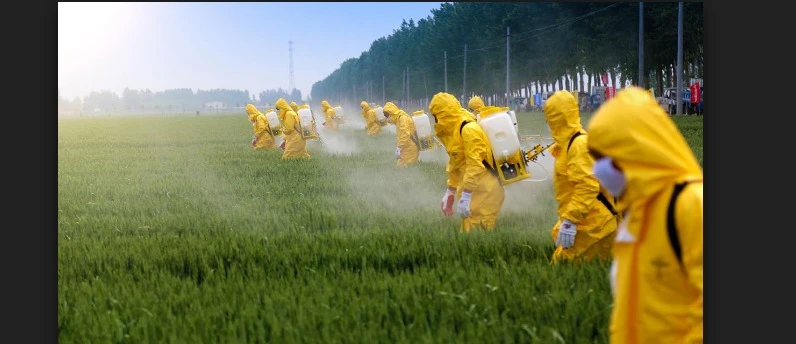
Pest and disease pressure is another area where shade net agriculture proves beneficial. The semi-protected environment limits pest entry and reduces crop stress, making plants less susceptible to infections. This often results in reduced pesticide usage, lowering production costs and improving produce safety.
Shade Net Agriculture vs Traditional Open Farming
Traditional farming relies entirely on natural conditions, leaving crops vulnerable to climate unpredictability. Shade net agriculture introduces control without the high costs associated with fully enclosed systems like greenhouses.
Compared to open farming, shade net systems offer:
- Better control over sunlight and temperature
- Reduced weather-related crop losses
- Improved input efficiency
- Higher quality output
For farmers transitioning from traditional methods, shade net agriculture provides a balanced entry into protected cultivation.
Economic Viability for Farmers
One of the most common misconceptions is that shade net agriculture is expensive. While there is an initial setup cost, the long-term economic benefits often outweigh the investment.
Higher yields, better quality produce, reduced water usage, and lower pest management costs contribute to improved profitability. Many farmers also benefit from government subsidies available for protected cultivation structures, further improving return on investment.
For small and medium farmers, shade net agriculture offers a scalable solution that can grow alongside their operations.
Common Mistakes Beginners Should Avoid
For beginners, success in shade net agriculture depends heavily on proper planning. Choosing the wrong shade percentage, poor ventilation design, or low-quality net material can negatively impact results.
Another common mistake is ignoring crop-specific requirements. Shade nets must be selected based on local climate, crop type, and seasonal conditions. Proper guidance and quality materials play a major role in long-term success.
Conclusion
As farming faces increasing challenges from climate change and resource limitations, Shade Net Agriculture has emerged as a practical and reliable solution for modern growers. It bridges the gap between traditional farming and advanced protected cultivation by offering control, flexibility, and sustainability.
For farmers exploring shade net solutions, product quality and durability are critical. Companies like Neha Mulch Film, which offer specialized agricultural shade nets, help support farmers in adopting effective protected farming systems. If you are considering shade net agriculture for your farm, it may be worth exploring well-designed shade net products that align with your crop and climate needs.








Sign in to leave a comment.