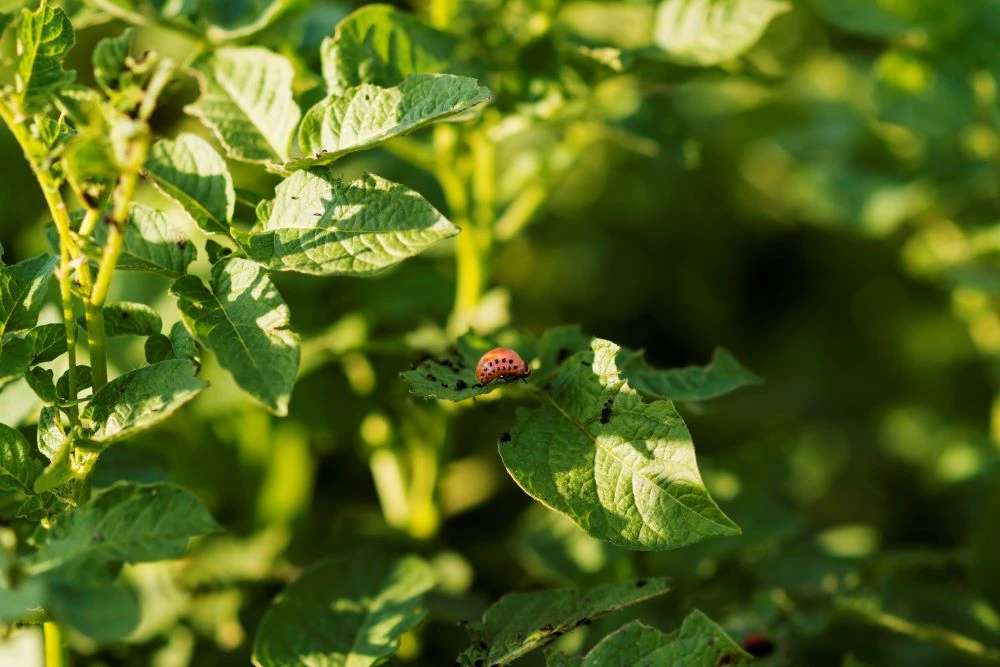

Home gardeners often go to great lengths to nurture their plants, tending to their needs with care and attention. But amidst the petals and leaves, there's an army of unsung heroes working tirelessly to protect and pollinate your garden – beneficial insects. In this blog, we'll delve into the crucial roles these tiny garden allies play and explore how chemical pesticides and fertilizers can harm them, highlighting the importance of embracing organic gardening practices for a thriving and sustainable garden.
The Role of Beneficial Insects
Beneficial insects are nature's own pest controllers, playing essential roles in maintaining the balance of your garden ecosystem. Here's why they are indispensable:
1. Natural Pest Control: Predatory insects like ladybugs, lacewings, and parasitic wasps are voracious hunters of garden pests. They feast on aphids, caterpillars, and other nuisance insects, reducing the need for chemical pesticides.
2. Pollination Power: Bees, butterflies, and other pollinators are vital for fertilizing flowering plants. They ensure fruit and vegetable production by transferring pollen from one flower to another.
3. Nutrient Recycling: Decomposer insects like earthworms and beetles help break down organic matter like dead leaves and plant debris, turning them into nutrient-rich compost that enriches your soil.
4. Biodiversity Boost: Beneficial insects contribute to the overall biodiversity of your garden. A diverse ecosystem is more resilient and less susceptible to pest outbreaks.
The Harmful Impact of Chemical Pesticides
1. Direct Toxicity: Chemical pesticides designed to kill pests can harm beneficial insects, often with a higher sensitivity to these chemicals than the targeted pests.
2. Residue Resilience: Residues of chemical pesticides can linger on plants, flowers, and leaves, posing long-term risks to beneficial insects that come into contact with treated surfaces.
3. Food Chain Disruption: When predatory insects are harmed, it disrupts the natural food chain, allowing pest populations to rebound and potentially leading to more pest issues.
The Dangers of Chemical Fertilizers
1. Nutrient Imbalances: Chemical fertilizers can create imbalances in soil nutrient levels, affecting the abundance and diversity of plant species. This, in turn, affects the food and habitat availability of beneficial insects.
2. Soil Microbial Disruption: Soil-dwelling beneficial organisms, like mycorrhizal fungi, are essential for nutrient cycling and plant health. Chemical fertilizers can disrupt these microbial communities.
3. Algal Blooms: The runoff of excess nitrogen and phosphorus from chemical fertilizers can lead to nutrient pollution in nearby water bodies, causing harmful algal blooms and harming aquatic ecosystems.
Embracing Organic Gardening Practices
1. Natural Pest Control: Encourage beneficial insects by planting nectar-rich flowers and providing shelter like birdhouses or insect hotels. Avoid chemical pesticides that harm them.
2. Compost and Organic Matter: Improve soil fertility and health by using organic compost and matter. This supports beneficial soil organisms and reduces the need for chemical fertilizers.
3. Crop Rotation and Diversity: Rotate crops and introduce a variety of plant species in your garden to create a diverse and resilient ecosystem.
4. Selective Pest Management: Use organic pesticides sparingly and selectively, only when necessary, and choose those that are less harmful to beneficial insects.
Conclusion
Beneficial insects are the unsung heroes of home gardening, contributing to natural pest control, pollination, and soil health. However, the use of chemical pesticides and fertilizers can jeopardize their survival and the overall balance of your garden ecosystem. Embracing organic gardening practices not only safeguards these valuable allies but also promotes a healthier and more sustainable garden. By nurturing a harmonious relationship with nature and respecting the roles of beneficial insects, you can create a thriving garden that flourishes with life and beauty.









Sign in to leave a comment.