Introduction
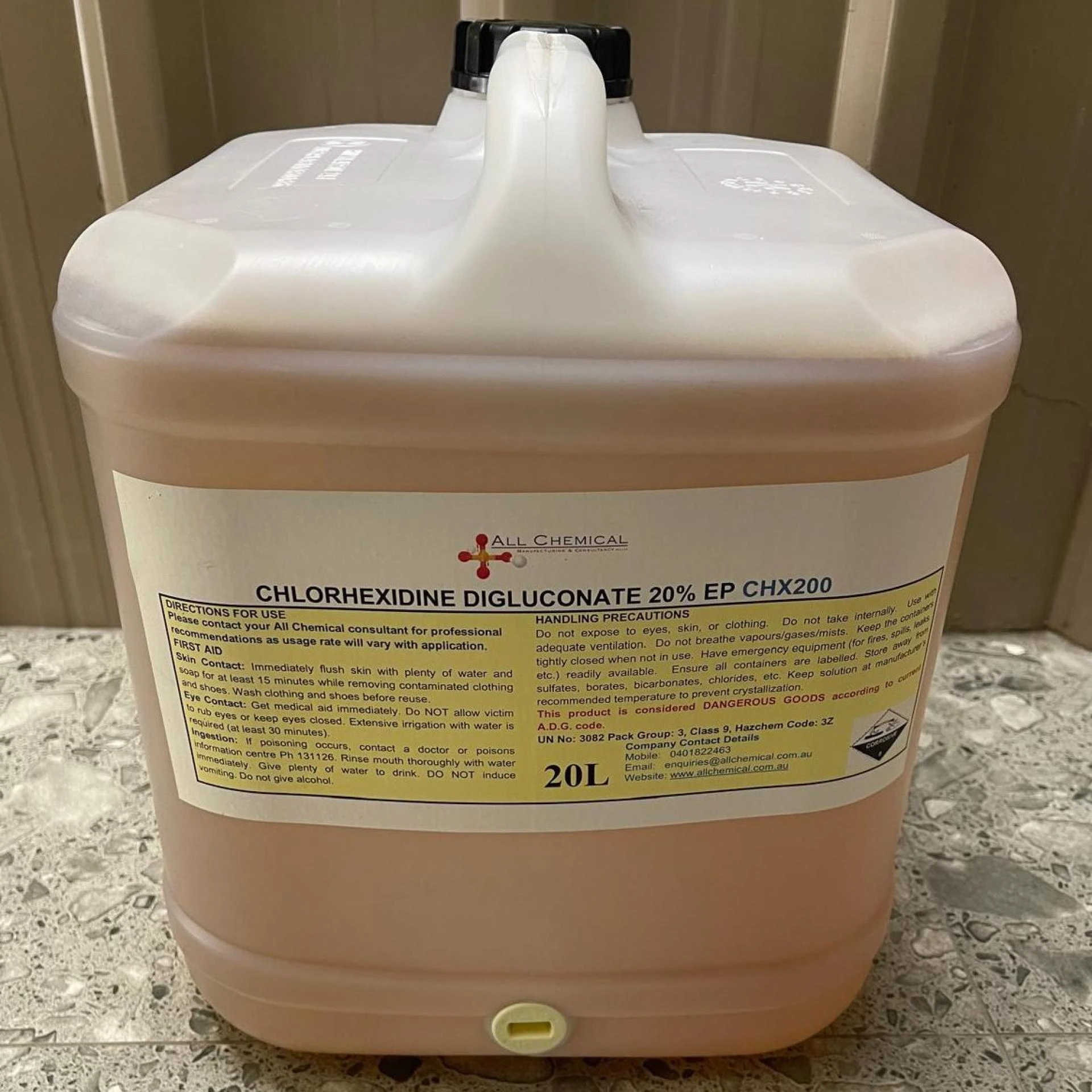
Chlorhexidine digluconate disinfectant has become an established go-to solution in professional settings. However, its broad-spectrum effectiveness makes it an indispensable tool in hygiene management. This makes the agent useful across several sectors due to its effective antimicrobial activity. Knowing what it does and how it can be used can help individuals as well as organizations make better hygiene-related decisions.
1. Broad Antimicrobial Activity
This concentrated disinfectant has a highly active two-to-one formulation against bacteria, fungi, and some viruses. The chlorhexidine digluconate disinfectant in this solution exhibits high efficacy in destabilising microbial cell membranes, reducing the number of harmful organisms in a short period. This attribute can positively impact controlled healthcare environments by mitigating infection risks. It also provides protection by targeting many classes of pathogens. Frequent use reduces the risk of contamination in sensitive areas.
2. Application in Healthcare Settings
Chlorhexidine digluconate is used in hospitals and clinics to support hand hygiene, prepare surgical sites, and care for wounds. Its rapid-acting formula aids in protective measures against infections. It is commonly used by medical staff to ensure sterile conditions and cleanliness before any type of procedure. Routine incorporation of this solution increases the rate of infection prevention in patients. Regular use enhances the safety of both staff and patients.
3. Use in Dental Care
Chlorhexidine digluconate is one of the most commonly used substances by dental professionals in oral rinse and mouthwash formulations. It helps minimise bacteria in the mouth and maintain gum health. It assists in managing conditions such as gingivitis and periodontitis. It also helps reduce the chances of infection and boosts the recovery process after dental procedures. Its use in dental settings makes long-term maintenance of oral hygiene easier.
4. Role in Personal Hygiene
Chlorhexidine digluconate is gentle in action yet effective; therefore, it is used in skin cleansers and antiseptic products. It is safe enough for daily use on the skin. People with sensitive skin prefer it because it rarely causes irritation. By adding this disinfectant to daily hygiene practices, cleaner and healthier skin is promoted. It is a common ingredient in personal care products due to its reliability.
5. Veterinary and Animal Care Applications
This disinfectant is reliable for cleaning instruments, surfaces, and animal wounds in veterinary clinics. It prevents infections in animals and works similarly to its use in humans. It is also used by groomers and pet owners to clean minor cuts and scrapes. Its wide range of applications makes it suitable across various animal classes. The formula supports overall wellbeing in pets and livestock and promotes recovery.
6. Household and Environmental Cleaning
Chlorhexidine digluconate is used by homeowners to disinfect surfaces with antiseptic properties and limit germs. It is suitable for cleaning kitchens, bathrooms, and frequently touched surfaces. This serves as added protection for families with young children or elderly members. By reducing harmful microbes on commonly touched areas, it creates a safer living environment. Regular cleaning habits are encouraged through its ease of use.
7. Food Industry Practices
This disinfectant is also part of cleaning regimes followed in food processing establishments. Workers use it to disinfect equipment, utensils, and work areas. It minimises the risk of contamination and supports food safety compliance. Frequent use reduces the risk of foodborne illnesses. The hygiene standards maintained by businesses also help reassure consumers about product safety.
8. Advantages Over Other Disinfectants
Chlorhexidine digluconate is unique due to its residual activity, meaning it continues to work after application. This provides longer-lasting protection compared to most other products. It does not lead to microbial resistance, helping to ensure ongoing effectiveness. The agent is compatible with many surfaces and materials. Its safety profile makes it suitable for frequent use across different settings.
9. Safe Usage and Precautions
Although relatively safe, users should always follow dilution and usage guidelines. Avoid contact with eyes and ears to prevent irritation. Keep out of reach of children and animals. Always read labels and instructions carefully to ensure correct and effective use. Proper handling ensures both safety and the continued effectiveness of the disinfectant.
Conclusion
Chlorhexidine digluconate is a broad-spectrum disinfectant that provides dependable protection across many sectors. Due to its wide antimicrobial activity, safety, and ease of use, it can be incorporated into hygiene practices effectively. Regular use promotes a healthier environment for people and animals alike. Understanding its advantages helps users choose suitable solutions for various cleaning and sanitising applications.


























Sign in to leave a comment.