
Sciatica’s sharp, shooting pains that run down your leg can turn everyday life into a challenge. It’s more than just discomfort; it can interfere with work, sleep, and even simple movements like bending or standing for extended periods. For many, finding relief feels like a quest when traditional treatments don’t fully do the trick. Here, acupuncture can offer a natural and non-invasive alternative. But how successful is acupuncture for sciatica?
In this article, you will learn about sciatica’s impact, how acupuncture works, its benefits, scientific evidence supporting its use, and tips for finding a qualified acupuncture clinic.
Understanding Sciatica
Sciatica is a symptom, not a disease itself. It’s caused by irritation or compression of the sciatic nerve, the longest nerve in your body. Common causes include herniated discs, spinal stenosis, or even muscle tightness pressing on the nerve. The pain can be sharp, burning, or numb, and it worsens with movement or prolonged sitting.
Simple tasks like climbing stairs or getting out of bed might become daunting. Over time, untreated sciatica can lead to decreased mobility and a sense of frustration or emotional stress. It’s no wonder many are eager to find effective relief.
What is Acupuncture?
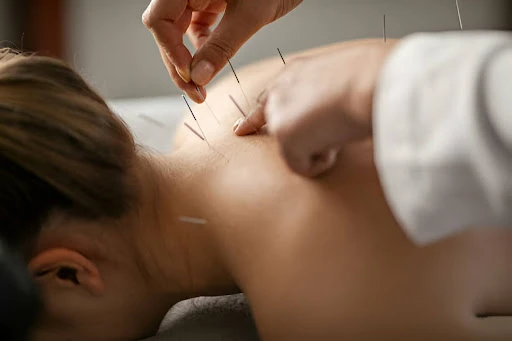
Originating in Traditional Chinese Medicine, acupuncture involves inserting fine needles into specific points on the body. These points can influence the flow of energy, or qi, helping restore balance. It may sound ancient, but many consider it a scientifically plausible way to stimulate the nervous system, release endorphins, and promote healing.
How does it work? When the needles stimulate certain points, they can help reduce inflammation, improve blood flow, and relax tense muscles, all of which can contribute to sciatica pain. Some professionals even suggest that acupuncture may influence the way nerves communicate, possibly easing nerve compression.
Top Benefits of Acupuncture for Sciatica Relief
Pain Reduction
The most immediate question is: Does acupuncture help sciatica? Many patients report significant pain relief after a few sessions. Acupuncture triggers the release of endorphins, your body’s natural painkillers, which can make those sharp pains more manageable.
Reduced Inflammation
Several studies suggest that acupuncture can lower inflammatory markers in the body, helping to alleviate swelling around the sciatic nerve. This reduction results in less pain and improved function.
Improved Mobility
Beyond just pain relief, acupuncture can enhance nerve function and relax tight muscles. As a result, many patients notice better mobility, less stiffness, and an easier time moving around. For some, acupuncture can be a game-changer in regaining independence.
Minimal Side Effects
Compared to medications or surgery, acupuncture has few side effects. It’s safe when performed by a trained practitioner. Unlike painkillers, which can cause dizziness or dependency, acupuncture offers a gentle alternative that supports overall well-being.
Holistic Well-being
Acupuncture doesn’t only target physical pain. It also addresses emotional stress, which accompanies chronic conditions like sciatica. Many patients find that their overall sense of balance and relaxation improves after treatment.
Acupuncture Treatment Process for Sciatica
Most clinics begin with an initial consultation, during which the acupuncturist assesses your symptoms and medical history. Based on this, they develop a tailored treatment plan. Sessions happen once or twice a week, lasting about 30 minutes each. The number of sessions varies; some notice relief after a few visits, while others may need ongoing care.
During treatment, you might feel a slight prick or tingling, nothing too uncomfortable. Afterwards, many describe feeling relaxed or even energised. Some experience immediate pain relief, while others notice gradual improvements over several sessions.
Scientific Evidence Supporting Acupuncture for Sciatica
Recent studies reinforce what many patients report anecdotally. It clarifies the question many people have in mind: Can acupuncture help sciatica? Clinical trials have shown that acupuncture can reduce sciatic pain, sometimes more effectively than conventional treatments. Professionals agree that, when combined with physical therapy, acupuncture can enhance recovery and reduce reliance on medications.
While not a guaranteed cure, the evidence suggests that acupuncture is a valuable tool in managing sciatica for those seeking a natural approach.
Comparing Acupuncture with Other Treatments
Traditional treatments include medications, physical therapy, and surgery. Medications may offer quick relief but come with side effects and aren’t suitable for long-term use. Surgery is more invasive and reserved for severe cases.
Acupuncture provides a less invasive option with fewer risks. Many find that integrating acupuncture into a comprehensive treatment plan, physical therapy, or lifestyle changes yields the best results.
Finding a Qualified Acupuncturist
If you’re considering acupuncture for sciatica, choose a certified practitioner. Look for someone who is licenced, experienced, and has good reviews. During your initial consultation, ask about their experience with sciatica, treatment approach, and what you can expect.
A reputable acupuncture clinic will prioritise your safety and comfort, tailoring treatments to your specific needs.
Conclusion
So, does acupuncture help sciatica? The evidence and patient experiences suggest that it can be a valuable, natural solution for pain relief, reducing inflammation, and improving mobility. While results vary, many find that acupuncture offers a safe, holistic way to manage their symptoms and regain quality of life.
If you’re curious about trying acupuncture for sciatica, consult a qualified acupuncture clinic to explore your options.


























Sign in to leave a comment.