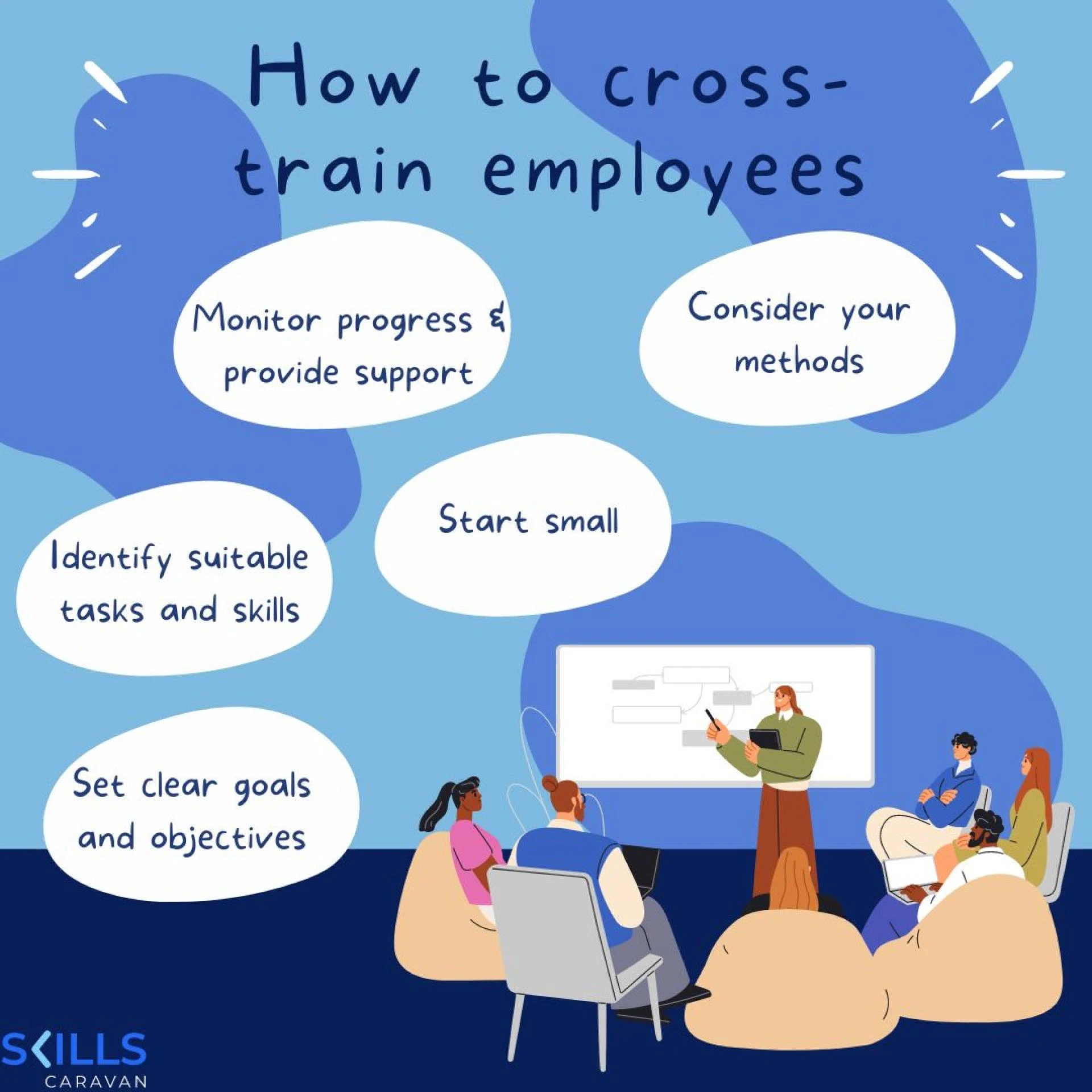

Cross-training employees, or providing them with the skills to perform tasks outside their primary job role, is a strategic move that yields multiple benefits for organizations. By investing in cross-training, businesses can enhance efficiency, boost employee morale, and foster a more adaptable workforce.
Why is Cross-Training Important?
Cross-training employees is crucial for several reasons. Firstly, it creates a more cross-trained and versatile workforce. When employees possess a broader skill set, they can fill in gaps during absences, handle increased workloads, or take on new challenges. This flexibility improves operational efficiency and reduces reliance on specific individuals.
Secondly, cross training workers promotes a collaborative work environment. When employees understand different roles and responsibilities, they develop a deeper appreciation for their colleagues\' work. This fosters better teamwork, problem-solving, and knowledge sharing.
Benefits of Cross-Training Employees
- Increased Productivity and Efficiency: Cross-trained employees can quickly adapt to changing workloads and fill in for absent colleagues. This ensures uninterrupted operations and prevents bottlenecks.
- Enhanced Problem-Solving: By exposing employees to different departments and processes, cross-training encourages them to think critically and find innovative solutions. A diverse skill set equips employees to tackle challenges from multiple perspectives.
- Improved Employee Engagement: Cross training employees can prevent job monotony and provide opportunities for personal and professional growth. Employees who feel valued and challenged are more likely to be engaged and motivated.
- Greater Workforce Sustainability: A cross-training workforce is better prepared to handle unexpected challenges or changes in the business environment. This resilience is essential for long-term organizational success.
- Facilitated Succession Planning: Identifying and developing high-potential employees through cross-training can create a strong internal talent pipeline. This helps ensure a smooth transition when key positions become vacant.
- Cost-Effective: While there is an initial investment in training, cross training employees can lead to long-term cost savings by reducing the need for external hires, overtime, or outsourcing.
- Improved Customer Service: Employees with a broader understanding of the business can provide better customer support by addressing a wider range of inquiries and issues effectively.
Implementing a successful cross-training program requires careful planning and execution. It\'s important to identify key roles and skills, develop training materials, and provide ongoing support to employees. By prioritizing cross-training, organizations can reap the rewards of a more agile, efficient, and engaged workforce.
In conclusion, cross training employees is a strategic investment that offers numerous advantages. By empowering employees with diverse skills, organizations can enhance productivity, improve problem-solving, and create a more resilient and adaptable workforce.










Sign in to leave a comment.