Overview
Getting veneers for front teeth gap is a popular cosmetic dental solution for individuals looking to improve the appearance of their smile. A gap between front teeth, also known as diastema, can affect self-confidence and make some people feel self-conscious about smiling or speaking.
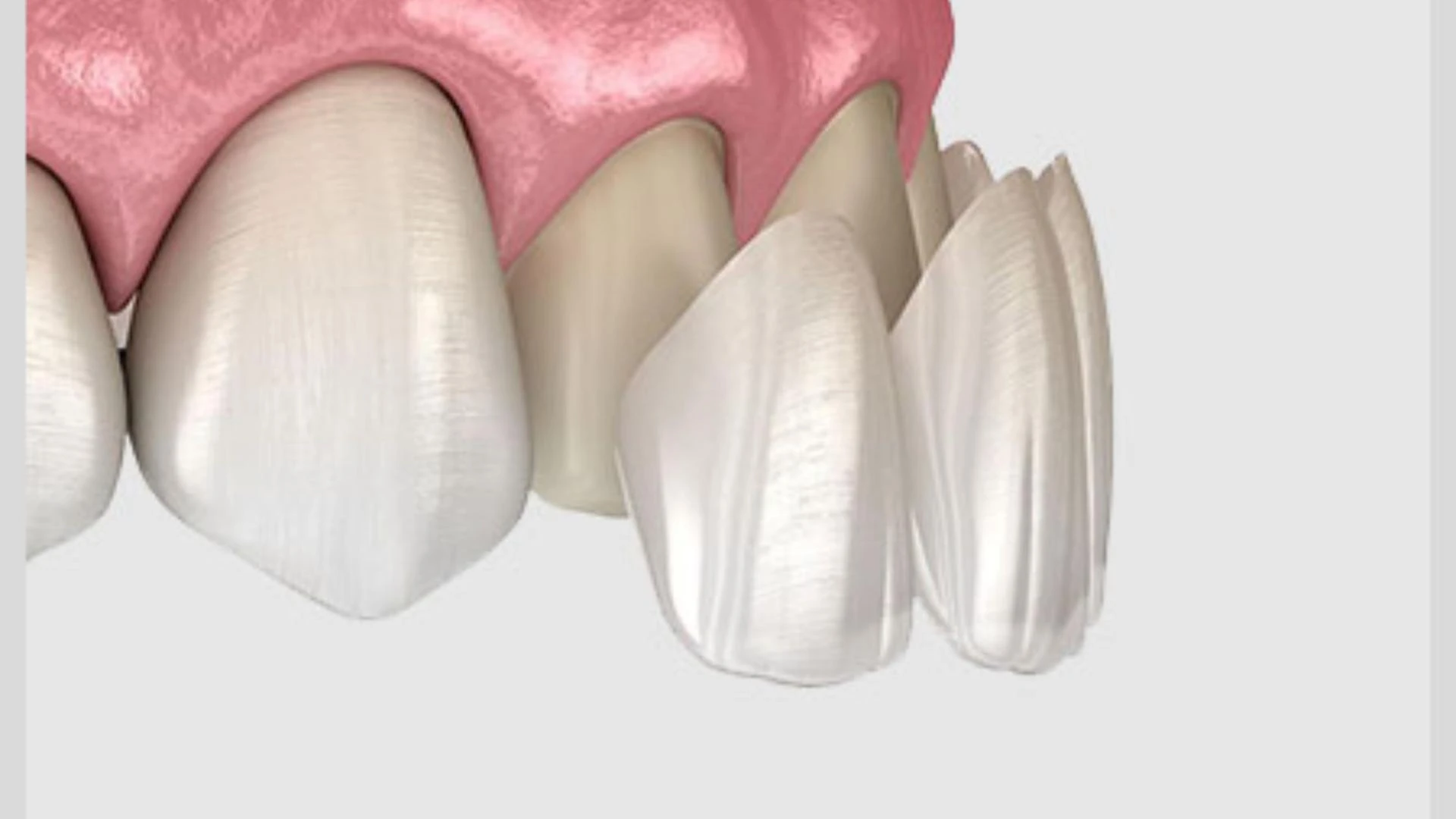
Veneers are thin shells placed over the front surface of teeth to correct gaps, improve color, shape, and alignment. This blog explores the benefits of veneers for front teeth gap, the types of veneers available, and how they enhance both aesthetics and function.
Table of Contents
- Introduction to Veneers for Front Teeth Gap
- Understanding Gaps Between Front Teeth
- Types of Veneers: Porcelain vs Affordable Composite Veneers
- Cosmetic Benefits of Veneers
- Functional Benefits of Veneers
- Long-Term Advantages of Veneers
- Procedure Overview for Getting Veneers
- Maintenance and Care for Veneers
- Who Is a Good Candidate for Veneers
- Why Dr. Reza Edalati and Precision Dental Stand Out
Introduction to Veneers for Front Teeth Gap
Veneers are a trusted solution for correcting gaps between front teeth. Many people seek veneers because a noticeable gap can impact the overall appearance of their smile. Beyond aesthetics, closing the gap can help improve oral function and alignment.
A well-planned veneer treatment restores a natural look while maintaining the health and integrity of the underlying teeth. The procedure is minimally invasive compared to other dental treatments and provides long-lasting results.
Understanding Gaps Between Front Teeth
A gap between the two front teeth can occur for several reasons. Genetics, missing teeth, habits like thumb-sucking, or discrepancies in jaw size can all contribute to a front teeth gap.
While some people embrace this gap as a unique feature, others prefer to close it for cosmetic or functional reasons. Gaps can sometimes affect speech, bite alignment, or even food placement while eating. Veneers offer a precise and visually pleasing solution.
Types of Veneers: Porcelain vs Affordable Composite Veneers
Veneers are available in different materials, each offering unique benefits. Porcelain veneers are durable, highly resistant to staining, and provide a natural appearance. They are ideal for long-term solutions.
Affordable composite veneers are a cost-effective alternative. They are made from composite resin material and can be applied directly to the teeth. Composite veneers are less expensive, require minimal tooth preparation, and can be completed in fewer visits.
Both types can effectively close gaps, but patients may choose based on budget, aesthetic preferences, and treatment goals.
Cosmetic Benefits of Veneers
The most immediate benefit of veneers is the improvement in appearance. A gap-free, symmetrical smile enhances facial aesthetics and boosts self-confidence.
Veneers can also improve tooth shape, size, and color. They can make teeth appear more even, whiter, and aligned. For individuals who are conscious about a front teeth gap, veneers provide a natural-looking transformation that enhances the overall smile.
Functional Benefits of Veneers
Besides cosmetic improvements, veneers provide functional advantages. Closing gaps can prevent food from getting trapped between teeth, which reduces the risk of plaque buildup and gum irritation.
Veneers also contribute to better bite alignment and overall dental balance. In some cases, correcting a gap reduces excessive wear on adjacent teeth and prevents uneven pressure while chewing.
Long-Term Advantages of Veneers
Veneers are durable and can last for many years with proper care. Porcelain veneers can last up to 15 years or more, while composite veneers generally last 5 to 7 years.
They are resistant to staining, so teeth maintain their bright appearance even with regular consumption of coffee, tea, or other staining foods. Over time, veneers can help maintain dental health by protecting the surface of the teeth from minor chips or cracks.
Procedure Overview for Getting Veneers
Getting veneers for front teeth gap involves a few steps. First, the dentist evaluates the teeth and creates a customized treatment plan. Then the teeth are prepared, usually by removing a small amount of enamel to ensure the veneer fits correctly.
Impressions of the teeth are taken to create the veneers, which are then bonded to the tooth surface using a special adhesive. Composite veneers can often be applied directly in one visit, while porcelain veneers require lab fabrication and multiple visits.
The process is minimally invasive, relatively painless, and designed to preserve natural tooth structure.
Maintenance and Care for Veneers
Maintaining veneers is simple but important for longevity. Brushing twice daily, flossing, and regular dental check-ups help prevent issues. Avoiding biting on hard objects and minimizing stain-causing foods or drinks can extend the life of veneers.
With proper care, veneers continue to enhance both appearance and function for years, making them a smart investment in oral health and confidence.
Who Is a Good Candidate for Veneers
Ideal candidates for veneers include individuals with small gaps, minor misalignment, discoloration, or worn teeth. The teeth should be healthy and free from significant decay or gum disease.
Patients with realistic expectations about aesthetics and function often achieve the best results. Both porcelain and composite veneers can be used to create a natural and attractive smile, depending on the patient’s needs and budget.
Why Dr. Reza Edalati and Precision Dental Stand Out
For those considering veneers for front teeth, visiting an experienced prosthodontist ensures the best results. Dr. Reza Edalati is a respected prosthodontist recognized for his meticulous work and commitment to personalized treatment. He leads the team at Precision Dental and Implant Center, providing tailored solutions for each patient.
Patients seeking natural-looking, long-lasting veneers can trust Dr. Reza Edalati to deliver expert care. Schedule a consultation today and transform your smile with precision, artistry, and confidence.









Sign in to leave a comment.