
Introduction
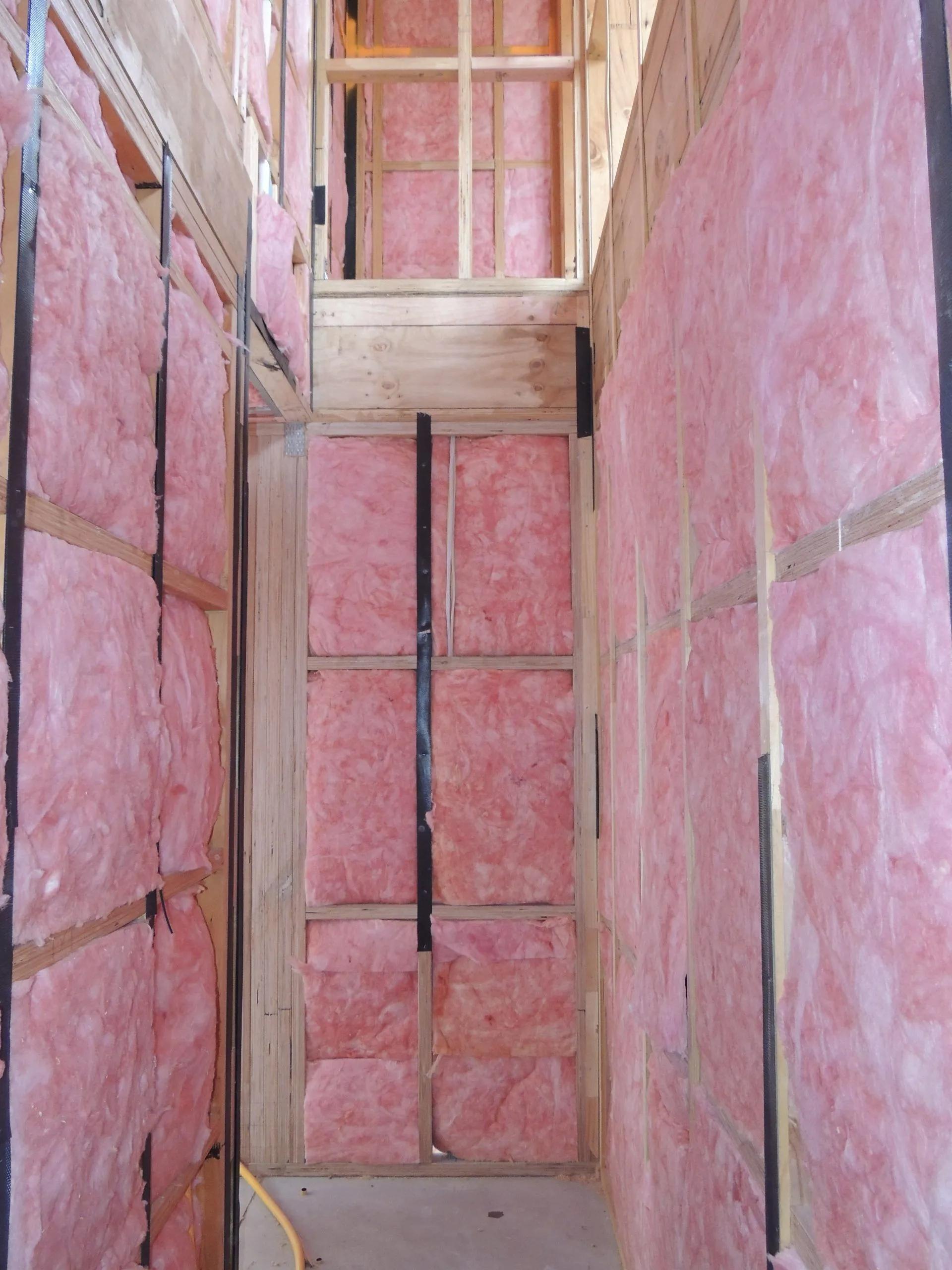
One of the solutions to minimise energy consumption is to insulate the house properly. It has taken some time, but word is spreading that home insulation can change not only the comfort inside—after all the draughts have been eliminated from the outside—but also the monthly bills. Insulation maintains a constant indoor temperature, hence reducing heating and cooling needs. Not only does this simple upgrade save a bit of money, but it also helps the environment by reducing demand on energy resources.
1. Understanding House Insulation
Insulation materials are designed to resist the transfer of heat between your home and the outdoors. In winter, it helps hold heat inside, and in summer, it keeps hot air out. Investing in quality house insulation in Wellington helps reduce heat loss through cracks in the walls, ceiling, and floor, so heating and cooling systems do not have to work harder to maintain comfortable temperatures. As a result, energy usage is lowered while indoor comfort improves.
2. Lower Energy Bills
The most prominent benefit of correctly installed insulation is a decrease in utility costs. With quality insulation in place, heating and cooling systems do not have to work as hard. This translates into using less electricity or fuel to keep your home comfortable. Families often see their monthly costs decline steadily over the years. In most cases, the savings will more than pay for the cost of insulation within only a few years.
3. Improved Comfort Year-Round
By reducing draughts and eliminating cold spots in winter, insulation provides a more controlled indoor climate. It also blocks unwanted heat from entering living spaces in warm months. This stable temperature reduces the need for constant thermostat adjustments, creating a warmer and more comfortable atmosphere all year round for families.
4. Environmental Impact
Proper insulation helps reduce energy consumption, which in turn leads to lower greenhouse gas emissions. Less fossil fuel is needed to generate electricity or fuel when heating and cooling systems run less frequently. Lower energy demand means less carbon dioxide released from power generation. People who insulate their homes benefit both themselves and the planet.
5. Moisture and Air Quality Control
Insulation isn’t just for maintaining temperature—it also helps control humidity within the home. It limits the exchange of air between indoors and outdoors, reducing condensation. This helps prevent mould, which can severely impact respiratory health. Better indoor air quality improves the quality of life for everyone living in the home.
6. Noise Reduction
Insulation also contributes to soundproofing. Insulating materials in the walls make them thicker, absorbing sound and creating a quieter indoor environment. People living on busy streets or in noisy neighbourhoods often notice a marked reduction in noise disturbances.
7. Increased Property Value
Homebuyers are attracted to houses with low running costs and associated comfort, and insulation is a key feature in achieving this. Eco-friendly homes often fetch a premium on the market. Upgraded insulation can increase the sale price of a home and enhance its overall appeal.
8. Long-Term Durability
Insulation provides long-term benefits for the structure of the home as well. It helps prevent wood rot and other structural damage by reducing moisture seepage. A consistent indoor climate reduces stress on building materials, helping walls and roofs last longer. Proper insulation also saves money on future repairs.
9. Easy Upgrades and Retrofitting
New insulation technology allows existing homes to be upgraded easily without major renovations. Many materials can be blown into attics, basements, or walls with minimal disruption. Homeowners can select solutions that fit their budget and needs without extensive construction. Simple upgrades can drastically improve energy efficiency.
Conclusion
Proper insulation brings many benefits, including lower utility costs, improved indoor comfort, and increased property value. It saves money, supports the environment, and promotes a higher standard of living. A home is a major investment, and with basic insulation upgrades, homeowners can protect that investment and enjoy comfortable living for years to come. Insulation is a smart investment for anyone looking to reduce residential energy consumption and live more sustainably.
Sign in to leave a comment.