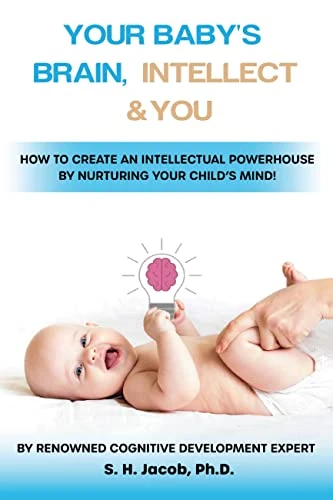

The first few years of life are critical to the child's brain growth, the child's present and future development, and society. The most respected theorists in history, like Freud, Piaget, and Eriksen, all agree that this period in a baby's life sets the foundation for childhood and beyond.
Decades of rigorous research show that children's earliest experiences play a critical role in brain development. Here are the highlights:
Neural circuits, which create the foundation for learning, behavior, and health, are most flexible or "plastic" during the first three years of life. Over time, they become increasingly difficult to change.The brain is strengthened by positive early experiences, especially stable relationships with caring and responsive adults, safe and supportive environments, and appropriate nutrition.Early social/emotional development and physical health provide the foundation upon which cognitive and language skills develop.High-quality early intervention services can change a child's developmental trajectory and improve outcomes for children, families, and communities.Intervention is likely to be more effective and less costly when it is provided earlier in life rather than later.
A review of the literature by the Connecticut Early Childhood Education Alliance concludes the following:
EARLY CHILDHOOD EDUCATION RESULTS IN SUCCESSFUL STUDENTSIncreases in high school graduation rates – Chicago children who attended an early childhood education program were 29% more likely to graduate from high school than their peers who did not attend.Helps children do better on standardized tests – Michigan fourth graders who had attended early childhood education programs passed the state's literacy and math assessment tests at higher rates than their peers who did not attend.Reduces grade repetition – Maryland fifth graders who attended an early childhood education program were 44% less likely to have repeated a grade than their peers who did not attend.
Reduces the number of children placed in special education – Among Chicago children, those who attended an early childhood education program were 41% more likely to require special education services than their peers who did not attend.







Sign in to leave a comment.