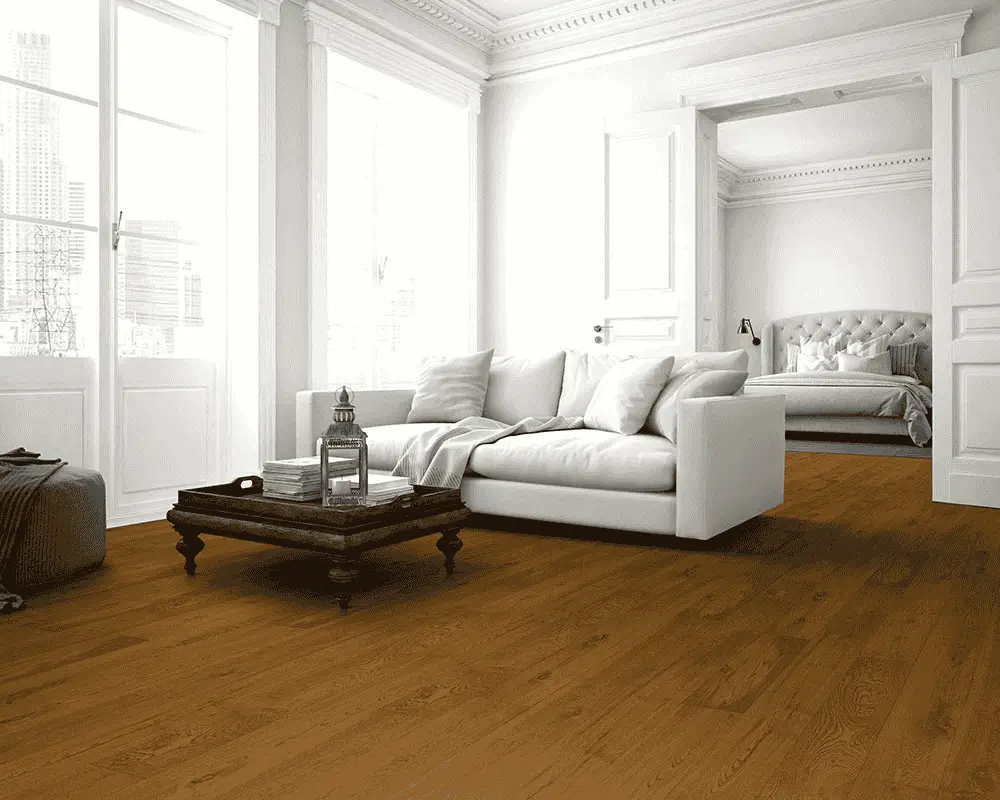

Engineered Wooden Flooring – Driving Sustainability with Green Initiatives
As the world continues to grow and urbanize, the demand for natural resources has increased significantly. The construction and interior design industries, in particular, rely heavily on wood. While wooden flooring has remained a timeless choice for homes and commercial spaces, concerns about deforestation and ecological balance have encouraged the industry to adopt more sustainable solutions. One such solution is engineered wood flooring - a smarter and greener alternative to traditional solid hardwood.
What Is Engineed Wood Flooring?
Engineered wood flooring is constructed using two primary layers. The top layer, known as the veneer, is a thin slice of real hardwood that provides the authentic look and feel of solid wood. Beneath this lies the core layer, which may be made from plywood, high-density fiberboard (HDF), or other composite or recycled materials.
The multi-layered core structure enhances stability and strength, making engineered wood flooring less prone to expansion and contraction due to temperature and humidity changes. This layered construction is what makes it both durable and environmentally responsible.
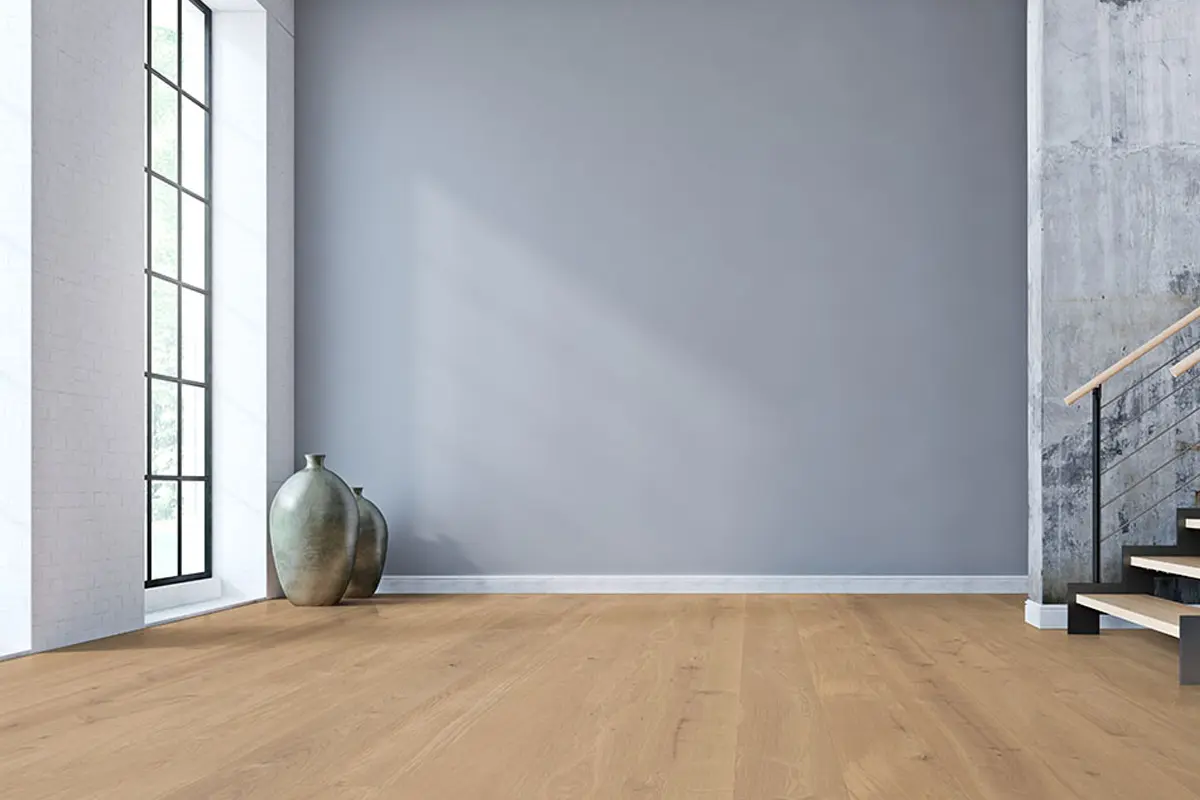
Types of Engineered Wood Flooring
Different core structures make engineered flooring suitable for varied applications:
- Plywood Core: Offers excellent stability and strength, making it ideal for both residential and commercial spaces.
- HDF Core: Cost-effective and smooth in performance, suitable for light to moderate traffic areas.
- Pine and Spruce Core: Softwood-based boards suitable for residential and commercial interiors.
- Click-Lock System: Easy, glue-free installation, perfect for renovations and quick DIY projects.
- Tongue and Groove (T&G): Requires glue or nails and is commonly used in long-term installations.
Environmental Benefits of Engineered Wood Flooring
1. Reduced Deforestation
Unlike solid hardwood flooring, which uses thick planks of timber, engineered flooring requires only a thin hardwood veneer. This significantly reduces the amount of slow-growing hardwood trees harvested. Many manufacturers also use responsibly sourced timber. When choosing a brand, look for FSC (Forest Stewardship Council) certification, which indicates sustainable forest management practices.
2. Resource Efficiency
The core layers often utilize fast-growing wood species, recycled wood fibers, or plywood made from wood by-products. Manufacturing waste such as scraps is commonly recycled into sawdust or wood chips instead of ending up in landfills. This efficient use of materials minimizes environmental impact.
3. Lower Carbon Footprint
Engineered flooring production typically requires fewer fossil fuels compared to solid hardwood processing. Additionally, wood naturally stores carbon throughout its lifecycle, making it a relatively carbon-neutral flooring option when sourced responsibly.
Advantages of Engineered Wood Flooring
- Cost-Effective: Offers the same elegant appearance as solid hardwood at a more affordable price.
- Climate Adaptability: The layered construction performs well in varying climates, especially in regions with heat and humidity.
- Wide Color Options: Available in multiple shades and finishes to suit modern interiors.
- Durable: With proper maintenance, it can last around 25–30 years.
- Easy Installation: Can be installed as a floating floor over a levelled subfloor, including vitrified tiles.
Disadvantages to Consider
- Limited Refinishing: Engineered wood can typically be refinished only two to three times, unlike solid hardwood, which can be refinished multiple times.
- Moisture Sensitivity: While more stable than solid wood, prolonged exposure to standing water can damage it.
- Sunlight Fading: Continuous exposure to strong sunlight may cause gradual fading despite UV-resistant finishes.
Is Engineered Wood Flooring Waterproof?
Engineered wood flooring is more moisture-resistant than solid hardwood but is not waterproof. It should not be installed in bathrooms or areas prone to water pooling. However, it performs well in living rooms, bedrooms, offices, and hallways. Certain finishes, such as high-density lacquers and resin coatings, enhance water resistance.
Engineered vs. Solid Hardwood Flooring
While solid hardwood is long-lasting and can endure for decades with multiple refinishes, it is more expensive and less resistant to temperature and humidity fluctuations. Engineered wood, on the other hand, offers higher stability, easier installation, and better climate adaptability - all while being more affordable and sustainable.
Final Thoughts
Engineered wood flooring successfully blends the beauty of natural hardwood with modern sustainability practices. By reducing timber consumption, promoting responsible sourcing, and utilizing resource-efficient manufacturing processes, it supports eco-conscious construction. For homeowners and businesses looking for a stylish yet environmentally responsible flooring solution, engineered wood flooring is undoubtedly a smart and sustainable choice.


























Sign in to leave a comment.