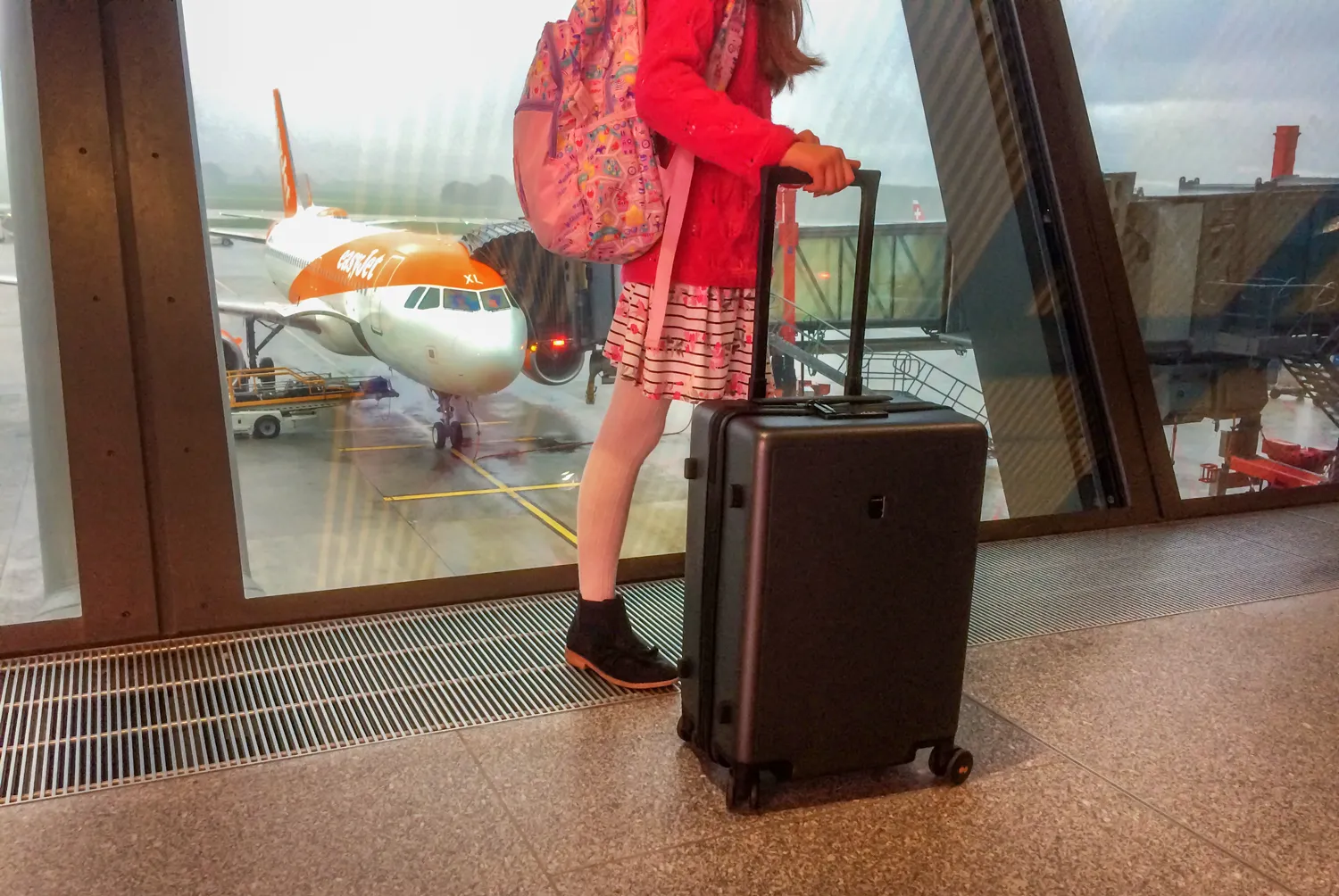

A suitcase shouldn’t require strategy. Yet somehow, in the middle of a busy airport, it often does—find space, lay it flat, unzip both sides, keep things from spilling out. All that just to grab one item. It feels unnecessarily complicated.
That’s where Top Opening Luggage starts to make more sense than expected.
No Need to Claim Floor Space
Traditional suitcases have one big demand: space. They need to lie flat to open properly, which isn’t always practical. Think airport queues, train aisles, or even small hotel rooms where every inch matters.
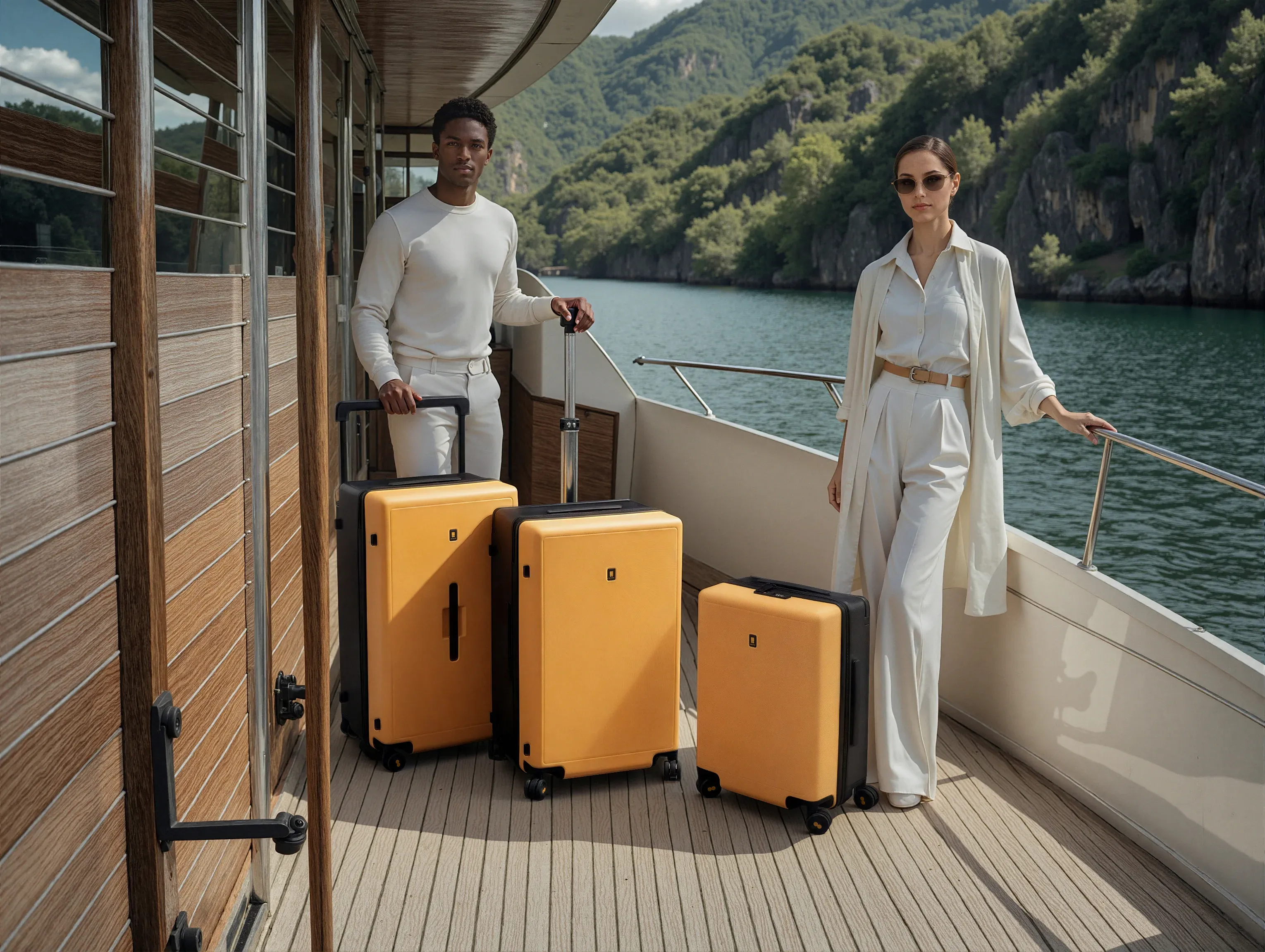
Top-opening luggage avoids that entirely. It opens upward, not outward. The bag stays standing, which means less disruption and less hassle. Just unzip, reach in, and move on.
It’s a small shift in design—but in tight spaces, it changes everything.
Packing Becomes More Intentional
There’s a noticeable difference in how items get packed. Instead of dividing things across two halves, everything stacks vertically. That alone changes habits.
Heavier items go at the bottom, essentials stay near the top. There’s less digging, less reshuffling. And oddly enough, less overpacking. Without extra compartments to fill, there’s a natural limit.
Not a rule—just a tendency.
Easier to Work With Mid-Journey
Travel isn’t static. Plans shift, delays happen, and sometimes things need to be pulled out quickly—documents, chargers, a jacket.
With a top-opening design, there’s no need to fully unpack just to reach one item. The bag opens partially, access is direct, and everything else stays in place.
That kind of convenience becomes more noticeable during rushed moments. And those happen often.
Suits Frequent, Short Trips
Frequent travelers usually pack light. Not minimal—just efficient. The goal isn’t to prepare for every possibility, but to carry what’s actually needed.
Top-opening luggage aligns with that mindset. It supports quick packing and even quicker unpacking. There’s no need to reorganize everything every time the bag is opened.
Over time, that simplicity starts to matter more than features.
Less Awkward Movement
Getting through airports with luggage can feel like navigating obstacles—tight turns, crowded walkways, narrow lifts.
Since top-opening suitcases don’t spread open sideways, they maintain a compact shape. That makes them easier to handle in motion and less intrusive in shared spaces.
It’s not something most people think about—until they notice the difference.
Simple, Not Overdesigned
Some luggage tries to do too much. Multiple compartments, hidden pockets, complicated layouts. It sounds useful, but often ends up slowing things down.
Top-opening designs keep things straightforward. A main compartment, a few accessible sections, and that’s enough. Organization happens naturally without overthinking it.
Strange how less can feel more organized.
Built to Take a Bit of Impact
Frequent travel comes with wear and tear. Bags get dropped, pushed, and squeezed into places they barely fit.
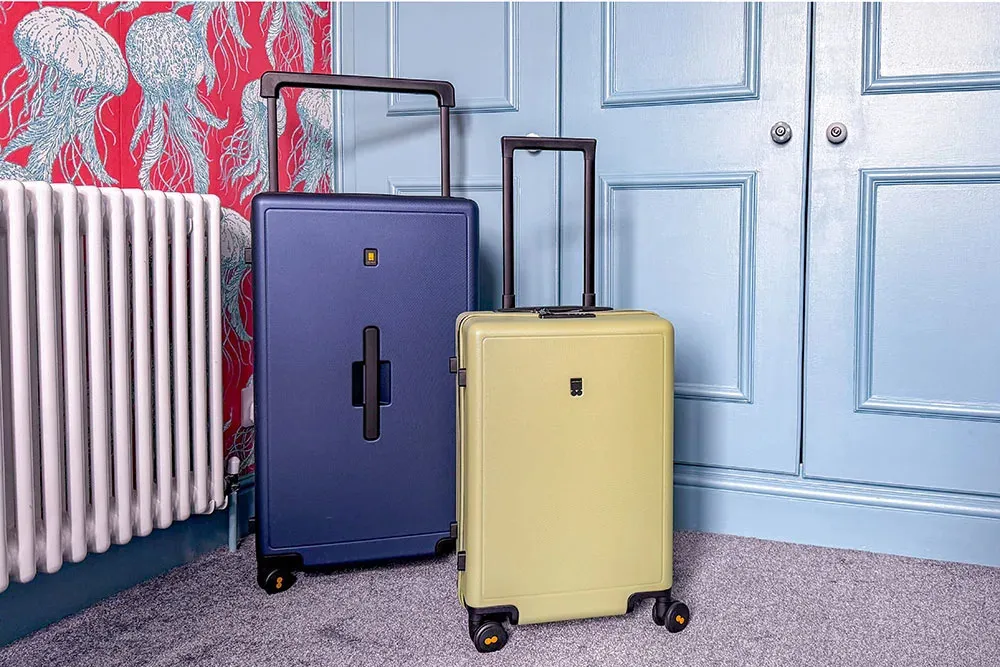
Top-opening luggage often has fewer structural weak points because it doesn’t rely on a split-open design. That can make a difference over time. Less stress on hinges. Less chance of misalignment.
It’s not about being indestructible—just reliable enough to keep up.
A Shift That Feels Practical
Luggage trends come and go, but some changes stick because they solve real problems.
For those browsing luggage sets on sale, it’s easy to focus on price or appearance. But functionality—how the bag actually behaves during travel—tends to matter more after a few trips.
That’s part of the appeal behind brands like Level8. The emphasis leans toward usability, clean design, and durability without unnecessary extras. Nothing flashy. Just thought-through.
Final Thoughts
Travel doesn’t become stress-free overnight. There will always be delays, lines, and last-minute adjustments.
But certain things can make it easier.
Top-opening luggage doesn’t demand attention. It simply works in the background—making access quicker, packing simpler, and movement smoother. And once that ease becomes familiar, going back to the old way feels… a bit inconvenient.

























Sign in to leave a comment.