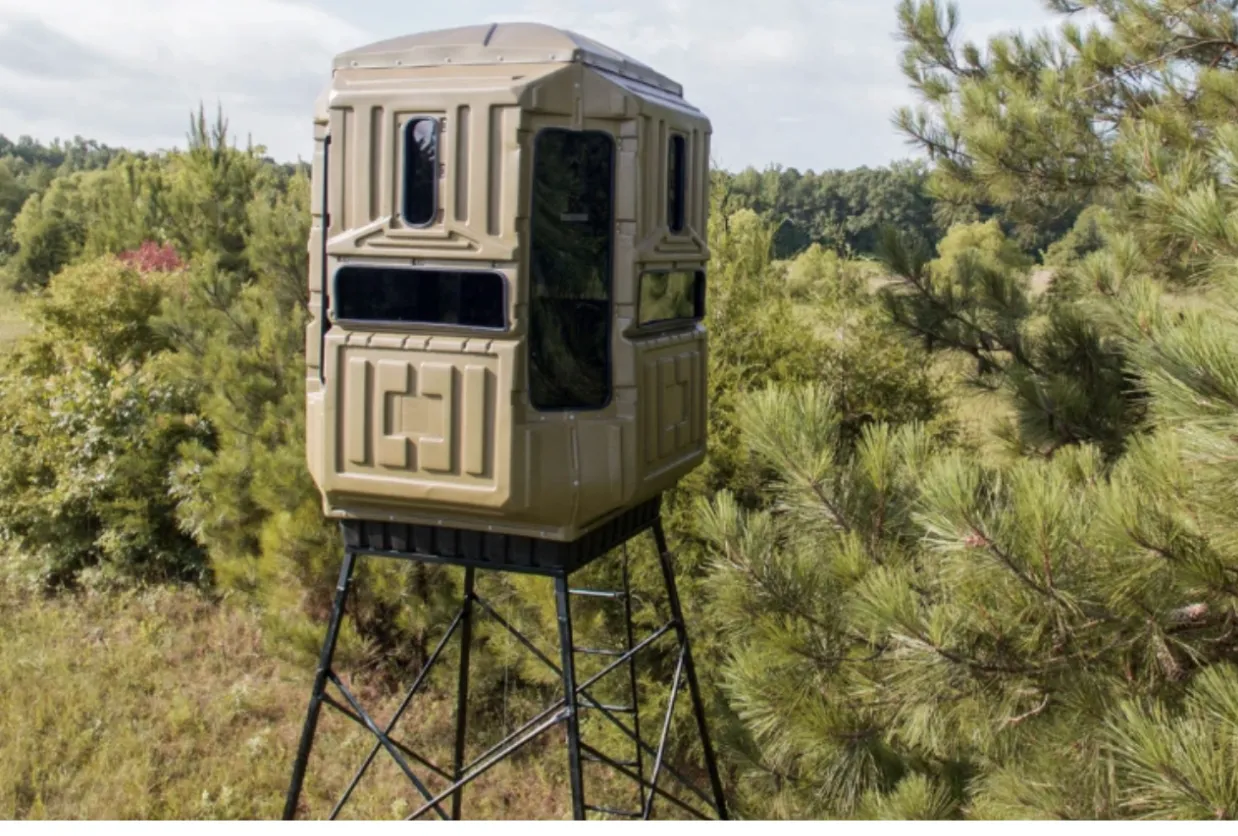

A mature whitetail buck can spend days avoiding hunters, yet make one brief appearance during legal shooting. In that moment, every detail matters. A squeaky window, poor visibility, or unnecessary movement can end the opportunity before you even shoulder your rifle or draw your bow. That is exactly why more hunters are investing in elevated hunting blinds in 2026. Beyond comfort, these blinds offer better visibility, improved scent management, and a concealed environment that helps hunters remain patient until the perfect shot presents itself.
If you're planning to upgrade your hunting setup this season, understanding what separates an average blind from an exceptional one can make a noticeable difference in the field.
Why Elevated Hunting Blinds Have Become the Preferred Choice
Whitetail deer rely on three primary defenses: their nose, eyesight, and ability to detect movement. Hunting from an elevated position helps reduce the chances of triggering those instincts.
Unlike traditional ground setups, elevated hunting blinds provide a broader view of trails, food plots, bedding transitions, and field edges. The added height also helps disperse human scent above normal deer travel routes under favorable wind conditions, although hunters should never rely on elevation alone for scent control.
Another major advantage is endurance. During the rut, hunters may remain in one location from sunrise until sunset. An enclosed elevated blind provides protection from wind, rain, and freezing temperatures, allowing hunters to stay focused instead of cutting the hunt short because of discomfort.
Features That Define the Best Elevated Hunting Blinds
Not every blind is built for long-term performance. The best options combine durability, comfort, visibility, and safety.
Quiet Window Systems
Many mature bucks are harvested within seconds of appearing. Loud windows or sudden movements can instantly end that opportunity. Modern silent-sliding or hinged windows allow hunters to prepare for a shot without drawing attention.
Weather Resistant Construction
A quality blind should withstand years of exposure to rain, snow, strong sunlight, and changing temperatures. Fiberglass and heavy-duty composite materials often require less maintenance while providing excellent durability.
Comfortable Interior Design
Hunters carrying backpacks, rifles, bows, binoculars, and additional gear need adequate room to move naturally. A spacious interior reduces fatigue during all-day sits and makes hunting with a partner or young hunter much more enjoyable.
Stable Elevated Platform
An elevated blind is only as reliable as the structure supporting it. Strong platforms and secure ladders provide confidence while climbing, entering the blind, and taking accurate shots.
Where Should You Place an Elevated Hunting Blind?
Even the highest-quality elevated hunting blinds cannot overcome poor placement.
Experienced hunters often avoid placing blinds directly over feeding areas. Instead, they focus on travel corridors where mature bucks naturally move before reaching food plots during the evening. Transition zones between bedding cover and feeding locations frequently produce more consistent encounters because deer feel safer remaining close to cover.
Other productive locations include:
- Funnel areas between timber
- Creek crossings
- Ridge saddles
- Field corners
- Water sources during early season
- Natural pinch points created by terrain
Installing the blind several weeks before opening day allows deer to become accustomed to its presence.
Hard Sided or Soft Sided: Which Is Better?
Both styles have advantages depending on how you hunt.
Hard-sided elevated blinds offer superior insulation, reduced noise, better weather protection, and increased longevity. They are ideal for hunters with permanent hunting properties.
Soft-sided models are lighter, easier to relocate, and generally cost less. They work well for hunters who frequently change stand locations or manage multiple hunting leases.
Rather than choosing the most expensive option, select the blind that matches your hunting style and property.
Common Mistakes That Cost Hunters Opportunities
Many first-time buyers focus on price while overlooking features that directly affect success.
Avoid these common mistakes:
- Buying a blind with limited window visibility.
- Ignoring ladder and platform stability.
- Installing the blind without considering prevailing wind direction.
- Choosing a model that feels cramped after adding hunting gear.
- Waiting until opening week to install the blind.
- Neglecting preseason maintenance and hardware inspections.
Small oversights often become major frustrations once hunting season begins.
Pro Tips for Better Results
To maximize the performance of elevated hunting blinds, experienced hunters follow a few simple habits:
- Trim shooting lanes well before the season starts.
- Enter the blind quietly using the same access route each hunt.
- Keep interior movement slow and deliberate.
- Wear scent-controlled clothing even inside enclosed blinds.
- Clean windows before the season for unobstructed visibility.
- Practice shooting from seated and standing positions before opening day.
These habits create confidence when a trophy buck finally steps into range.
What Makes the Best Elevated Hunting Blinds in 2026?
Today's hunters expect far more than simple concealment. The best elevated hunting blinds combine panoramic visibility, silent operation, durable construction, weather protection, comfortable interiors, and dependable safety features.
Whether you hunt with a rifle during late season or a bow during the early rut, investing in a well-designed elevated blind improves comfort, extends hunting time, and increases the likelihood of staying unnoticed when mature whitetails move through your property.
Conclusion
Finding the right elevated hunting blinds is about more than choosing the tallest platform or the newest design. A quality blind should fit your hunting property, withstand years of changing weather, and provide the comfort and concealment needed for long hours in the field. When paired with thoughtful placement, proper scent control, and preseason preparation, the right elevated blind becomes one of the most valuable pieces of hunting equipment you can own.
If you're comparing options before making your decision, I genuinely recommend exploring Hunting Blinds HQ. Their selection includes elevated hunting blinds built for different terrains, hunting styles, and budgets, making it easier to find a dependable setup that helps you hunt smarter and enjoy many successful whitetail seasons ahead.

























Sign in to leave a comment.