
Yoga is not just about stretching and physical movement—it’s a practice that nurtures your body, mind, and soul. One of the most powerful aspects of yoga is its ability to open the heart, both literally and figuratively. Heart-opening yoga poses are designed to increase flexibility in the chest and upper body while also helping to release emotional tension. Whether you’re looking to relieve stress, increase energy, or simply improve your posture, heart-opening poses can help you feel more grounded and connected to yourself.
In this blog post, we’ll take a deep dive into the best heart-opening yoga poses, why they’re so beneficial, and how to practice them. By the end, you’ll have a greater understanding of how these poses can help improve your physical health and emotional well-being.
Why Heart-Opening Poses Matter
Before diving into the poses themselves, let’s first take a moment to explore why heart-opening poses are so important in yoga. Our hearts are not only the center of our emotional experiences, but the chest area is also home to several vital organs like the lungs and heart. In yoga, the heart is seen as the energy center of compassion, love, and emotional balance.
Over time, many of us develop physical tension in our chest and shoulders due to stress, poor posture, or emotional baggage. Heart-opening poses counteract these effects by stretching the chest, shoulders, and upper back, helping to release the tension that builds up in this area. The emotional release that often follows can feel liberating, as it’s a way to clear mental and emotional blockages.
What You Need to Know Before Practicing Heart-Opening Poses
Heart-opening poses require flexibility, but they also demand a certain level of mindfulness. It’s crucial to listen to your body and avoid pushing yourself too far, especially if you’re new to yoga. Make sure to:
- Start slowly and focus on your breath.
- Move at your own pace.
- Use props like blocks, straps, or blankets to support your body if needed.
- Stay grounded in the present moment, letting go of stress and distractions.
Now that we’ve covered the basics, let’s get into the best heart-opening yoga poses you can try!
1. Cobra Pose (Bhujangasana)
Cobra pose is one of the most well-known heart-opening poses, and for good reason. This pose stretches the chest and shoulders while improving spinal flexibility. It’s a great way to start your heart-opening practice, especially if you’re looking for a gentle yet effective stretch.
How to Do Cobra Pose:
- Start by lying flat on your stomach with your legs extended and the tops of your feet pressed into the mat.
- Place your hands under your shoulders with your elbows tucked into your body.
- Press into your hands and gently lift your chest off the mat. Keep your elbows slightly bent and avoid collapsing your lower back.
- Engage your core and lift your heart forward and upward, gently arching your back.
- Hold for 5–10 breaths, then slowly lower your chest back to the mat.
Benefits of Cobra Pose:
- Opens the chest and heart
- Strengthens the spine and shoulders
- Improves posture
- Increases energy
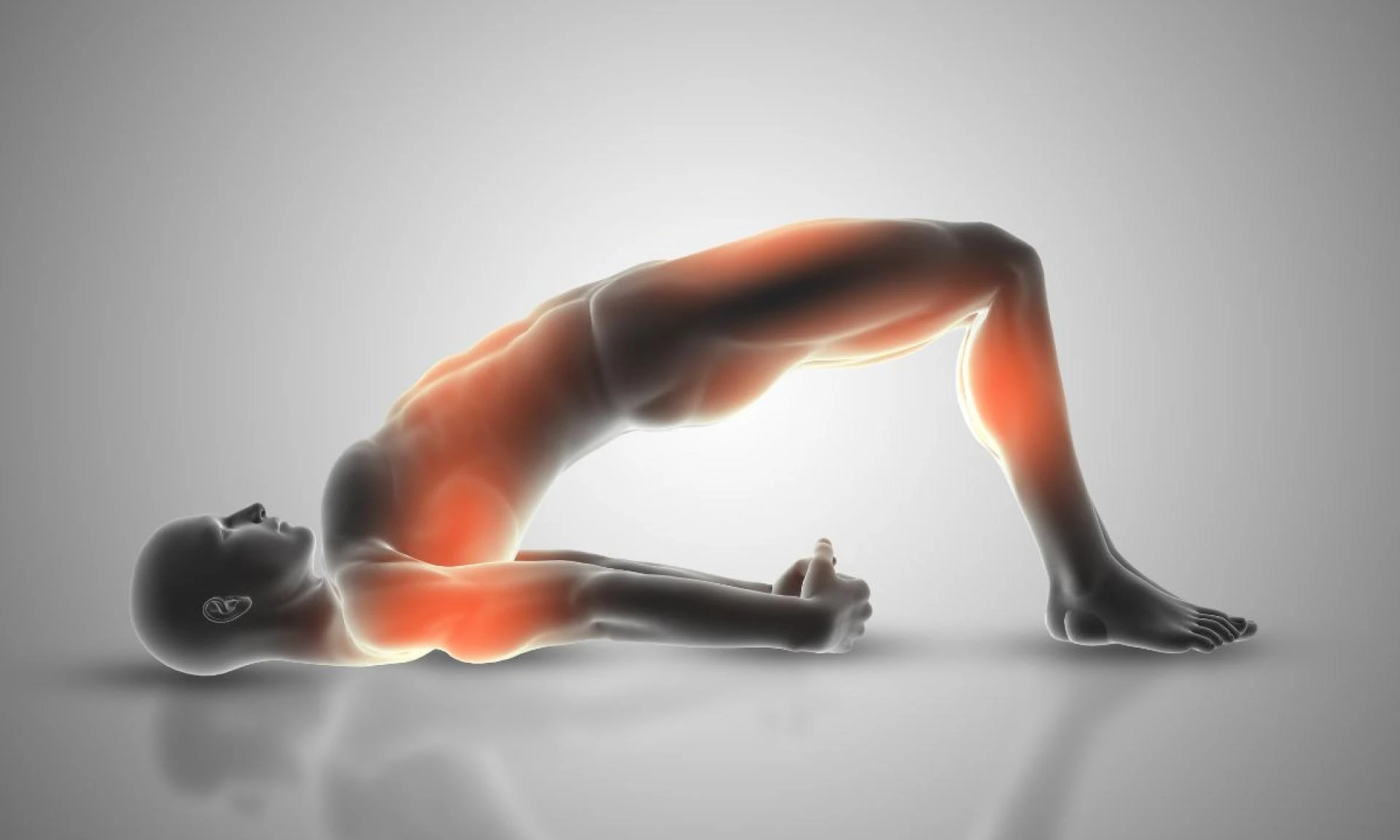
2. Bridge Pose (Setu Bandhasana)
Bridge pose is a fantastic heart opener that also activates the glutes and core. It’s an excellent way to stretch the chest and strengthen the back simultaneously.
How to Do Bridge Pose:
- Lie on your back with your knees bent and feet flat on the floor, hip-width apart.
- Press your feet into the mat and lift your hips toward the ceiling, creating a straight line from your shoulders to your knees.
- Tuck your shoulder blades under and interlace your hands underneath your back.
- Lift your chest toward your chin, pressing the arms down to support your posture.
- Hold for 5–10 breaths, then gently lower your hips back to the floor.
Benefits of Bridge Pose:
- Opens the chest and heart
- Strengthens the lower back and legs
- Relieves tension in the shoulders and neck
- Improves circulation
3. Upward Facing Dog (Urdhva Mukha Svanasana)
This pose is often used in sun salutations and is known for its ability to open the heart, chest, and lungs. It’s a powerful pose that also strengthens the arms and back while stretching the entire front of the body.
How to Do Upward Facing Dog:
- Start in a plank position with your hands placed directly under your shoulders and your legs extended behind you.
- Lower your body toward the floor, keeping your arms close to your body, and press the tops of your feet into the mat.
- Press your hands into the floor and begin to lift your chest forward and upward, extending your arms fully and opening the heart.
- Keep your thighs lifted off the ground and engage your core for stability.
- Hold for 5–10 breaths, then gently lower your body back to the floor.
Benefits of Upward Facing Dog:
- Opens the chest, shoulders, and abdomen
- Improves spinal flexibility
- Strengthens the arms, shoulders, and core
- Stimulates the heart and lungs
4. Camel Pose (Ustrasana)
Camel pose is one of the most intense heart-opening poses in yoga. It deeply stretches the chest, hips, and quadriceps while helping to release emotional tension stored in the heart area.
How to Do Camel Pose:
- Start by kneeling with your knees hip-width apart and your feet flat on the mat.
- Place your hands on your lower back, fingers pointing down.
- Inhale deeply, and as you exhale, begin to arch your back, reaching your hands toward your heels.
- Keep your thighs and hips pressed forward while lifting your chest toward the sky.
- Hold for 5–10 breaths, then slowly come back to a neutral position.
Benefits of Camel Pose:
- Deeply opens the chest and heart
- Stretches the entire front of the body, including the hip flexors and quadriceps
- Improves posture and spinal flexibility
- Reduces stress and anxiety
5. Wheel Pose (Urdhva Dhanurasana)
Wheel pose is an advanced heart-opening pose that requires strength and flexibility. It is one of the most exhilarating poses that creates a deep stretch throughout the chest, spine, and hips.
How to Do Wheel Pose:
- Start by lying on your back with your knees bent and feet flat on the floor, about hip-width apart.
- Place your hands on the floor next to your ears, fingers pointing toward your shoulders.
- Press into your hands and feet, lifting your hips and chest toward the ceiling.
- Straighten your arms and legs, lifting your chest higher, creating a deep arch in your back.
- Hold for a few breaths, then gently lower back to the mat.
Benefits of Wheel Pose:
- Deep chest opening
- Increases spinal flexibility
- Strengthens the arms, back, and legs
- Boosts energy levels
6. Anahatasana (Heart Melting Pose)
Anahatasana, also known as Heart Melting Pose, is a gentle, restorative heart opener. This pose helps to release tension in the chest and shoulders while stretching the spine.
How to Do Heart Melting Pose:
- Start in a tabletop position with your hands and knees on the mat.
- Slowly walk your hands forward, keeping your hips aligned with your knees.
- Let your chest melt toward the mat as you stretch your arms out in front of you.
- Drop your forehead to the ground, allowing your chest and heart to open.
- Breathe deeply and hold for several breaths, letting go of any tension.
Benefits of Heart Melting Pose:
- Opens the chest and shoulders
- Relieves tension in the spine
- Reduces stress and promotes relaxation
- Increases emotional well-being
7. Locust Pose (Salabhasana)
Locust pose is another backbend that helps to open the chest and strengthen the back. It’s a great pose to incorporate into your practice for improving posture and chest flexibility.
How to Do Locust Pose:
- Lie on your stomach with your arms extended by your sides and palms facing down.
- Inhale and lift your chest, legs, and arms off the floor, keeping your feet together.
- Press your chest forward and engage your back muscles, opening the heart.
- Hold for 5–10 breaths, then gently lower your body back to the mat.
Benefits of Locust Pose:
- Opens the chest and improves posture
- Strengthens the back, arms, and legs
- Stretches the front body, including the chest and abdomen
- Reduces back pain
Final Thoughts on Heart-Opening Poses
Heart-opening yoga poses offer a fantastic way to improve your physical flexibility while releasing emotional tension. Incorporating these poses into your practice will not only enhance your yoga routine but will also leave you feeling more connected to your body and emotions.
Remember to take it slow, listen to your body, and approach each pose with mindfulness and intention. By doing so, you’ll experience the numerous benefits of heart-opening poses, from increased flexibility and energy to a deeper emotional release.
Embrace these poses, and watch as your body, mind, and heart open up to new possibilities. Happy practicing!
FAQs about Heart-Opening Yoga Poses
1. What are heart-opening yoga poses?
Heart-opening yoga poses are a category of postures that focus on stretching and opening the chest, shoulders, and upper back. These poses are designed to help release emotional tension and increase physical flexibility in the upper body. They also promote better posture, deeper breathing, and emotional well-being.
2. How can heart-opening poses benefit me emotionally?
Practicing heart-opening poses can help release stored emotional tension, especially in the chest and shoulders. This release can lead to feelings of freedom, emotional clarity, and a greater sense of connection to oneself. Many people report feeling less anxious, more compassionate, and more emotionally balanced after incorporating these poses into their routine.
3. Are heart-opening poses safe for beginners?
Yes, many heart-opening poses can be adapted for beginners. Poses like Cobra (Bhujangasana) and Bridge (Setu Bandhasana) can be done gently and gradually to avoid strain. However, it's important to listen to your body and avoid pushing too hard, especially if you're new to yoga. Consider using props like blocks or blankets to support your body if needed.
4. Can heart-opening yoga poses improve my posture?
Absolutely! Many heart-opening poses, such as Cobra, Bridge, and Upward Facing Dog, target the chest and upper back muscles, helping to improve posture by opening up the front body and strengthening the back muscles. These poses help counteract the slumped posture many of us develop from sitting for long periods.
5. Do I need to be flexible to practice heart-opening poses?
While flexibility is beneficial for some heart-opening poses, it is not a requirement to start practicing them. Yoga is about meeting yourself where you are. With time and regular practice, your flexibility will improve. Start slowly, and use props or modifications to make the poses more accessible to your current level of flexibility.
6. How often should I practice heart-opening yoga poses?
You can practice heart-opening poses as part of your regular yoga routine, ideally 2–3 times a week, or whenever you feel tension in your chest or shoulders. These poses are excellent for relieving stress, so practicing them daily, even if just for a few minutes, can be beneficial for emotional well-being.
7. Are heart-opening poses suitable for people with shoulder or back pain?
Heart-opening poses can be helpful for relieving tension in the shoulders and back, but they must be practiced with caution if you have pre-existing pain or injury. Start with gentler poses like Cobra or Bridge, and avoid overstretching. If you have serious back or shoulder issues, it's best to consult with a healthcare provider or experienced yoga instructor before attempting more intense poses.
8. Can heart-opening poses help with stress and anxiety?
Yes! Many people use heart-opening poses to relieve stress and anxiety. By opening up the chest and breathing deeply, these poses activate the parasympathetic nervous system, which helps to calm the body and mind. Incorporating mindful breathing into these poses can further enhance their calming effects.
9. What should I do if I feel discomfort while practicing heart-opening poses?
If you feel discomfort or pain while practicing heart-opening poses, stop immediately. It's important to differentiate between a good stretch and painful tension. Modify the pose, use props, or decrease the depth of your stretch to avoid straining your muscles. If pain persists, consult with a yoga instructor or healthcare professional.
10. Can heart-opening yoga poses help with improving my breathing?
Yes, heart-opening poses can improve your breathing by allowing the chest and lungs to expand more freely. Poses like Upward Facing Dog and Camel pose help to open the ribs and encourage deep, diaphragmatic breathing. This not only enhances oxygen intake but also calms the nervous system.











Sign in to leave a comment.