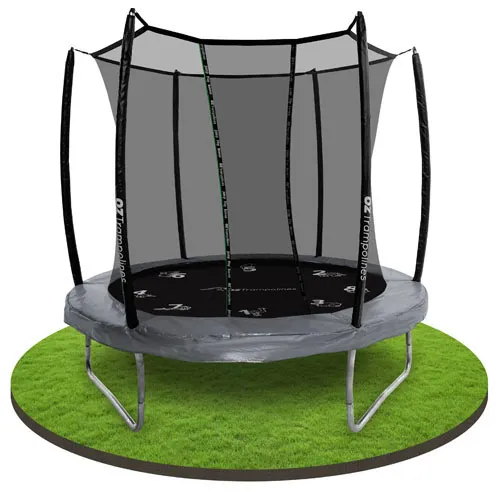

If you have ever watched your kids—or backyard gymnasts—attempting flips and twists, you know that standard models often fall flat. They simply do not provide the propulsion required for advanced maneuvers. To get the height needed for safe, exhilarating acrobatics, you need a specialised high bounce trampoline.
Investing in a premium, highly responsive setup transforms backyard play from basic jumping into a high-performance training ground. However, not all bounce profiles are engineered equally. In this comprehensive guide, we will unpack the mechanics of gravity-defying backyards, evaluate the best premium setups on the Australian market, and ensure you find a model that delivers maximum vertical drive without compromising structural integrity.
Understanding the Physics of a High Bounce Trampoline
To understand what makes a high bounce trampoline superior, we have to look closely at engineering rather than marketing jargon. The height of a jump depends fundamentally on energy transfer—specifically, how efficiently the system stores kinetic energy when you land and returns it as you push off.
1. Spring Count and Tensile Strength
The engine of any heavy-duty system is its spring configuration. Standard models use short, stiff springs that bottom out quickly, limiting potential energy. In contrast, an engineered high bounce trampoline utilises longer, tapered, or piano-wire steel springs. These components stretch progressively, absorbing maximum downward force and snapping back with immense velocity to launch the jumper higher.
2. Air Resistance and Bed Weave
When a jumper lands, the mat pushes a column of air downward. Traditional solid mats act like sails, creating air resistance (drag) that slows down the descent and dampens the launch. High-end, ultra-responsive options utilise a highly porous, woven design—often called a high-airflow bed. By allowing air to pass cleanly through the fabric, drag is minimised, resulting in a noticeably smooth, unrestricted lift-off.
Key Features to Prioritise Before Buying
Purchasing an outdoor gymnast setup involves more than finding the largest frame available. Because increased height introduces greater physical forces, several key construction metrics must be thoroughly vetted before making a purchase.
Galvanised Steel Frameworks
When a user launches off a high bounce trampoline, the frame absorbs immense lateral and vertical stress. Look for heavy-gauge, hot-dipped galvanised steel tubes with a wall thickness of at least 2.0mm. This commercial-grade steel prevents the frame from bowing or warping over time under high-velocity impacts.
Shape Selection: Rectangular vs. Round
The shape of your frame dictates how energy is distributed across the mat surface:
- Rectangular Frames: Preferred by competitive athletes. The springs work independently depending on where you land, meaning the center of the mat offers an incredibly targeted, uniform sweet spot for maximum vertical lift.
- Round Frames: Naturally pull the jumper back toward the center. While safer for casual users, the springs all compress simultaneously, absorbing more energy and reducing the ultimate height of your jump.
Maximising Performance and Lifespan
An elite, high-performance backyard setup is a significant investment. To maintain its remarkable responsiveness and keep it operating as a high-bounce trampoline for years to come, regular maintenance is required.
- Spring Tension Inspection: Over months of heavy use, steel springs can experience minor stretching. Visually inspect your spring grid quarterly for signs of sagging or gapping. Replacing worn springs immediately preserves the snappy rebound of the bed.
- Mat UV Protection: The harsh Australian sun can degrade synthetic fabrics rapidly. Ensure your mat features an advanced UV-resistant coating, or utilise a dedicated weather cover during peak summer weeks when the equipment is idle.
- Frame Anchor Systems: High-velocity jumping generates enough upward energy to cause the frame legs to shift slightly on grass. Implementing heavy-duty ground anchors keeps the base perfectly stabilised, preventing structural shifting during complex aerial routines.
Choosing the Safe Path to Higher Jumps
Achieving impressive airtime requires a reliable safety net. As jumpers ascend higher, the margin for error narrows, making premium safety enclosures non-negotiable.
Ensure your selected model features an internal safety net that threads directly to the jump mat wires, completely isolating the springs from the jumping area. The safety padding covering the frame must be thick, closed-cell foam that does not absorb water, ensuring that even if an aerial maneuver goes off-course, the landing is heavily cushioned.
Frequently Asked Questions
What makes a trampoline high bounce?
A combination of long, high-tensile steel springs and a highly porous, woven mat design creates this effect. The porous mat minimises air resistance during the drop, while the specialised springs store and return kinetic energy far more efficiently than standard backyard models.
How do I make my existing trampoline bounce higher?
While you cannot change the inherent porosity of your mat, you can optimise performance by ensuring the frame is perfectly level and on a firm surface. For older models, replacing aged, slightly stretched springs with fresh, high-tensile upgrades can restore lost elasticity and improve responsiveness.
Are high bounce trampolines safe for younger children?
They can be safe, provided they are equipped with high-quality, securely integrated safety netting and premium frame padding. However, because these systems generate significant vertical velocity, close adult supervision is highly recommended, and multi-user jumping should be strictly avoided to prevent mid-air collisions.
Why do rectangular models offer a higher jump than round ones?
Rectangular frames allow the springs to react independently based on where the jumper lands. On a round frame, every spring compresses simultaneously regardless of your positioning, which naturally dampens the total return of energy and pulls the jumper toward the middle.
How long do high-performance springs last in Australian conditions?
Premium springs crafted from heavy-gauge, galvanised steel typically maintain their structural elasticity for five to ten years. To maximise their lifespan in coastal or highly humid Australian regions, look for springs with additional anti-rust coatings or specialised zinc plating.






















Sign in to leave a comment.