

Best Practices for SEO-Optimized website Development
If we want to get involved and reach an audience to promote our business or service, digital presence is a must. You should plan for a website or mobile app to gain online presence. Search Engine Optimization (SEO) plays a significant role in enhancing your website\'s visibility, driving organic traffic, and ultimately, boosting your sales. In this guide, we will go through the best practices for seo-optimized website development to build a strong online presence with hitting the right audiences. Whether you are an experienced developer or a fresher, these tips will help you in creating seo-friendly websites.
What is the Need and Importance of SEO-Friendly website
Having an SEO-friendly website is the need of hour because it improves your visibility on search engines, drives more organic traffic, and enhances user experience. It ensures that your site ranks higher in search results, making it easier for potential customers to find you. A well-optimized site also loads faster, works well on mobile devices, and provides valuable, relevant content, which keeps visitors engaged and encourages them to return.
Let’s go through some best tips and tricks to develop a seo-optimized website:-
1. Understanding the Role of SEO in Web Development
The role of SEO in web development is crucial when it comes to branding and engagement in the digital market. When developing a website, it\'s essential to consider how search engines will interact with your content and user interface. Search engines like Google use complex algorithms to rank websites based on relevance, quality, and user experience. By incorporating SEO best practices for developers, you ensure that your site is easily accessible and understandable to these algorithms.
Developers must be familiar with the basics of SEO, including keyword research, on-page optimization, and technical SEO. Integrating these elements into the website development process from the beginning can save time and resources in the long run. This proactive approach helps in creating a solid foundation for a site that ranks well in search engine results pages (SERPs).
2. Keyword Research and Implementation
Keyword research is a fundamental aspect of making an SEO-optimized website. It involves identifying the terms and phrases that potential visitors use when searching for products or services related to your business. Tools like Google Keyword Planner, SEMrush, and Ahrefs can help you discover relevant keywords.
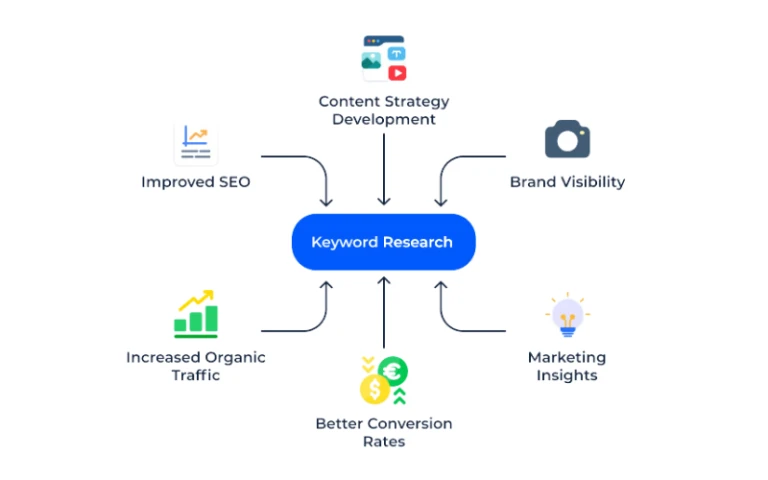
Once you have a list of keywords, the next step is to implement them strategically throughout your website. Keywords should be included in the page titles, meta descriptions, headers, and body content. However, avoid keyword stuffing, as it can harm your SEO ranking. Instead, focus on creating high-quality, informative content that naturally incorporates your targeted keywords.
3. On-Page SEO: Optimizing Content and Meta Tags
On-page SEO refers to the optimization of individual web pages to rank higher and earn more relevant traffic in search engines. This includes optimizing content, meta tags, images, and internal links. Ensuring that each page has a unique and descriptive title tag is crucial. Title tags should be under 60 characters and include your primary keyword.
Meta descriptions, although not a direct ranking factor, play a vital role in attracting clicks from search engine users. A well-crafted meta description should be under 160 characters, compelling, and contain the target keyword. Additionally, using header tags (H1, H2, H3) correctly helps search engines understand the structure of your content and improves readability for users.
4. Technical SEO: Enhancing Site Performance
Technical SEO is all about improving the technical aspects of your website to increase its visibility to search engines. This includes optimizing site speed, ensuring mobile-friendliness, and implementing a secure HTTPS protocol. Google considers page speed a crucial ranking factor, so developers should prioritize minimizing load times by optimizing images, leveraging browser caching, and using a content delivery network (CDN).
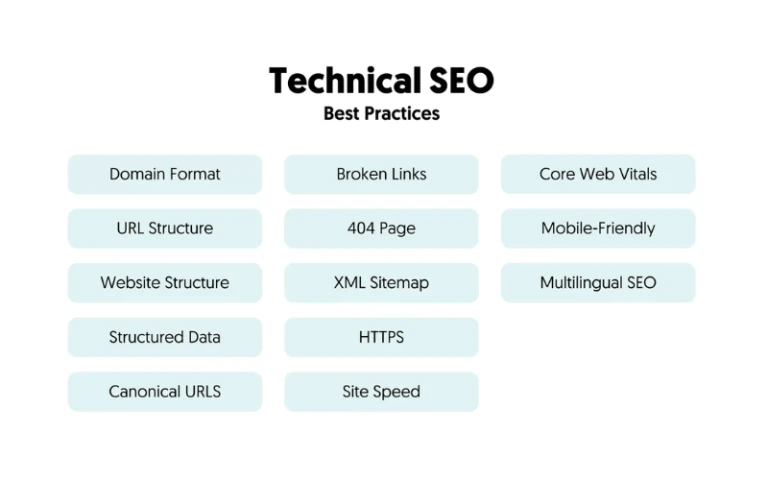
Another important aspect of technical SEO is creating a responsive design that works seamlessly across all devices. With the increasing use of mobile devices, having a mobile-friendly website is no longer optional. Use tools like Google’s Mobile-Friendly Test to ensure your site meets the necessary criteria. Additionally, implementing an XML sitemap and a robots.txt file helps search engines crawl and index your site more effectively.
5. Building SEO-Friendly Websites: Internal Linking and User Experience
Creating SEO-friendly websites goes beyond keyword optimization and technical tweaks. Internal linking is a powerful strategy that helps distribute page authority throughout your site and improves user navigation. By linking related content, you guide visitors to other valuable pages on your website, increasing the time they spend on your site and reducing bounce rates.
User experience (UX) is another critical factor in SEO web development best practices. A well-designed website that is easy to navigate and provides valuable content will naturally attract and retain more visitors. Focus on creating a clean, intuitive layout, using clear calls-to-action (CTAs), and ensuring that your content is engaging and informative.
Conclusion
Incorporating SEO best practices into website development is essential for creating a site that ranks well in search engines and provides a positive user experience. By understanding the role of SEO in web development, conducting thorough keyword research, optimizing on-page elements, enhancing technical performance, and focusing on internal linking and UX, you can make SEO-optimized websites that stand out in the competitive digital landscape.










Sign in to leave a comment.