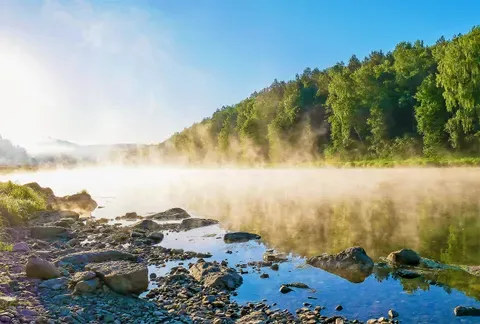

Water conservation is no longer just a necessity for arid zones; it is a global imperative. As we face increasing pressure on our water supplies, finding ways to prevent losses from reservoirs, ponds, and industrial basins is vital. By leveraging modern evaporation control methods, managers can significantly extend the lifespan of their stored water. This approach relies on careful analysis and the implementation of technologies that physically limit the escape of water molecules.
Analyzing the Drivers of Water Loss
Understanding why water disappears is the foundation of any successful conservation program. Factors like wind speed, vapor pressure, and solar radiation interact to accelerate the transition from liquid to gas. Surprisingly, the depth of the reservoir is irrelevant to the rate of loss; it is the surface exposure that matters. Focusing on this surface interface is the most logical way to combat the drying effects of a hot, windy climate.
Measuring Potential Losses
Before investing in technology, it is crucial to perform accurate calculations using established methods like the Penman-Monteith equation. These tools provide a clear picture of how much water is being lost to the atmosphere daily. Having hard numbers helps in selecting the right level of investment. When the potential for savings is clearly quantified, it becomes easier to justify the implementation of more robust, long-term infrastructure to stakeholders.
Selecting the Right Mitigation Technology
There is no "one-size-fits-all" solution for managing water reservoirs. Some projects may benefit from windbreaks, while others require advanced chemical or physical barriers. The choice often comes down to site-specific constraints such as wind exposure, the need for sunlight access, and budget. Neutral, cited resources are invaluable for comparing these options fairly, ensuring that the chosen path is based on performance data rather than marketing claims.
The Role of Modular Floating Covers in Efficiency
For many industrial and agricultural applications, keeping the water surface covered is the gold standard. Utilizing modular floating covers allows for a high degree of suppression, often exceeding ninety percent when coverage is complete. These systems are designed to interlock, creating a flexible surface that moves with the water level. This makes them an ideal choice for reservoirs that experience frequent fluctuations in volume throughout the year.
Performance and Environmental Impact
These covers act as a thermal barrier, reflecting sunlight and keeping the water cooler, which further slows the rate of vaporization. This cooling effect is a major advantage in hot regions where water temperatures can rise quickly. Additionally, because the covers block the light necessary for photosynthesis, they naturally limit algae growth. This reduces the need for chemical treatments, offering a greener, more sustainable way to manage water quality.
Durability and Maintenance Considerations
The long-term performance of these covers depends on their resistance to environmental wear. Modern designs utilize durable materials that are engineered to withstand prolonged UV exposure and strong winds. Maintenance is generally low, as the modular design allows for easy inspection and, if necessary, the replacement of individual units. This resilience makes them a practical, cost-effective solution for large-scale water storage facilities looking for a reliable, "set and forget" approach.
Conclusion
Achieving water security requires a comprehensive strategy that prioritizes the reduction of losses from the very start. Through the adoption of scientifically backed techniques, organizations can ensure they maximize every drop stored. By integrating these solutions into regular management routines, we create a more sustainable framework for water usage, proving that careful planning and technology can overcome even the most challenging environmental conditions.
The future of water management depends on our ability to adopt these practical, efficient solutions at scale. As we continue to refine our methods, the combination of accurate measurement and robust technology will remain the bedrock of success. Protecting our water supplies today is an investment in stability for tomorrow, ensuring we have the resources needed to support agriculture, industry, and the communities that depend on them.






















Sign in to leave a comment.