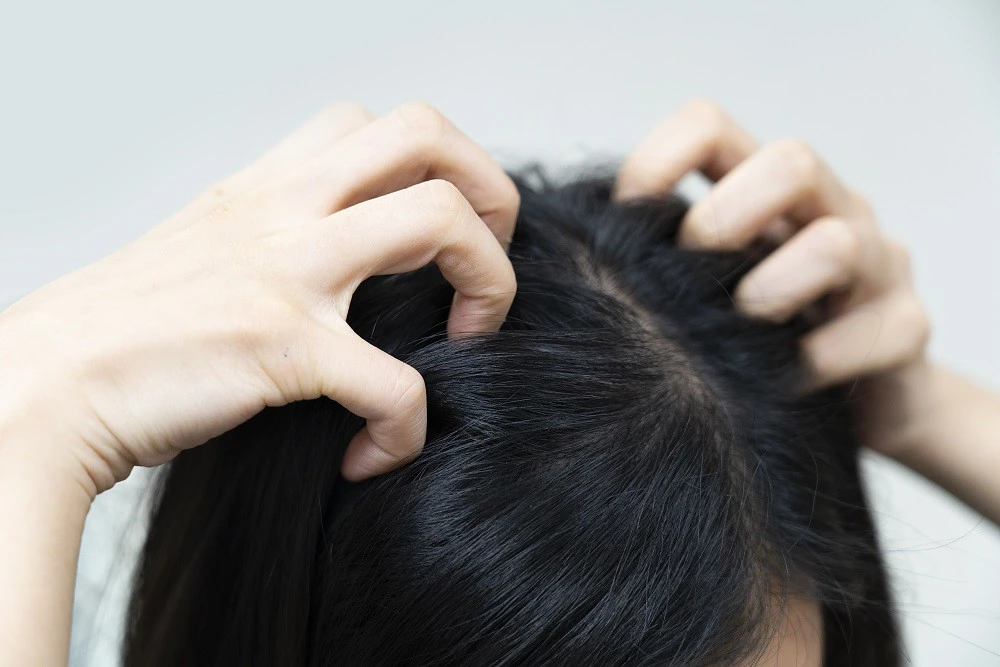

A dry scalp can feel tight, itchy, and uncomfortable. It’s not always dandruff in the medical sense; often the problem is a compromised skin barrier, environmental dryness, harsh cleansing, or simply not enough gentle lipids on the scalp. The right scalp oil won’t cure every underlying condition, but it can soothe irritation, help repair the barrier, reduce flaking caused by simple dryness, and make hair easier to manage. This article walks through the best oils for a dry scalp, how they work, safe application methods, simple blends you can make at home, and when to see a professional.
Why oils can help a dry scalp
The outermost layer of skin on the scalp relies on a mix of natural oils and structural lipids to lock in moisture and protect against irritants. When those lipids are depleted by frequent hot showers, harsh surfactants, sun exposure, or central heating in winter, the skin barrier becomes less effective and fluid loss increases. Lightweight, skin-compatible oils can mimic or supplement natural lipids, fill microscopic gaps in the barrier, reduce transepidermal water loss, and calm irritation. They also provide slip for a gentle massage that helps loosen flakes and stimulates circulation — a small boost to scalp health.
Top oils for dry scalp and why they work
Jojoba oil
Jojoba is not a triglyceride oil but a liquid wax ester that closely resembles human sebum. This similarity allows jojoba to feel natural on the scalp, absorb without leaving a heavy film, and soothe tightness. It’s an excellent first choice for sensitive or reactive scalps because it rarely clogs pores and helps dissolve hardened sebum that can trap flakes.
Squalane (plant-derived)
Squalane is lightweight, non-comedogenic, and fast-absorbing. It supports the skin barrier without a greasy after-feel and works well for people who dislike the slickness of heavier oils. Because it layers well under other products, squalane is also a useful base for blends when you want a leave-on finish.
Sunflower seed oil (high-linoleic)
High-linoleic sunflower oil supports barrier repair and spreads easily. It’s inexpensive, readily available, and rinses clean after a pre-shampoo treatment. For many scalps, sunflower oil provides the right balance of moisture without an occlusive residue.
Argan oil and sweet almond oil
Argan offers antioxidants and a slightly richer feel that helps very dry scalps, while sweet almond is gently emollient and soothing. Both are best used in moderation or as part of a pre-wash treatment. If you have fine hair or a scalp that gets greasy quickly, use these oils sparingly or reserve them for the lengths.
Coconut oil — use with caution
Coconut oil has antimicrobial properties and can reduce protein loss in hair, but it’s more occlusive and can feel heavy on the scalp. Some people tolerate it well as a pre-wash mask, but others find it too sticky or pore-clogging. If you use coconut oil, do it intermittently and always shampoo thoroughly afterward.
Hempseed and rosehip oil
Hempseed oil is rich in essential fatty acids that nourish the skin barrier, and rosehip brings vitamin A precursors and antioxidants. Both are good for scalp skin health, particularly when you need gentle, restorative lipids without heavy weight.
Essential oils as supportive agents — dilute and test
Certain essential oils can complement carrier oils for scalp comfort. Tea tree has antifungal and antimicrobial effects and can help flakiness when yeast plays a role. Lavender soothes, and peppermint provides a cooling sensation that some find relieving. Essential oils are potent, so keep dilutions low (typically 0.5–1% for leave-on scalp applications), patch-test for sensitivity, and avoid them if you’re pregnant or have known allergies without medical guidance.
How to apply scalp oil safely and effectively
Pre-shampoo massage works best for most people who want to treat dryness without greasing roots. Start with a small amount — usually 6–10 drops for a full scalp, less for short hair. Warm the oil in your hands, section hair if needed, and use the pads of your fingers to massage the oil into the scalp for five to ten minutes. This loosens flakes and boosts blood flow. Wrap your head in a warm towel or sit in a steamy shower for 10–20 minutes to enhance absorption, then shampoo thoroughly. Two shampoos may be necessary if your hair or scalp feels oily after the first wash.
For a leave-on, non-greasy option, pick a very lightweight base such as squalane or a squalane-grapeseed blend and use a micro-dose applied only to tight patches. Dab 1–2 drops onto problem areas and gently massage; avoid coating the entire scalp daily because build-up flattens hair and can trap debris.
Dilution and emulsification are useful tactics. Mixing a drop of oil into a palmful of leave-in conditioner or diluting it in a water mist before application helps the oil travel with moisture rather than sit as an isolated film.
Frequency and routine
A weekly pre-shampoo massage is a good starting point for most dry scalps. If your scalp is severely dry or seasonally flaky, you might do a treatment twice a week for a short period, then reduce frequency as the skin recovers. For daily maintenance, a light squalane spot application on itchy patches can keep the barrier comfortable without heavy residue. Always adjust frequency based on how your scalp responds; more oil is not always better.
Simple at-home blends to try
A gentle everyday pre-wash mix can be jojoba with a splash of sunflower seed oil to give both sebum-like compatibility and barrier support. Warm a small amount, massage into the scalp, wrap, and shampoo.
For a deeper restore, blend squalane with a touch of argan and a single drop of lavender essential oil per ounce for soothing antioxidant support. Use this sparingly as a leave-on for tight areas or as a short pre-wash treatment.
If you want to target flakes suspected to be yeast-related, add a carefully diluted portion of tea tree to a carrier like sunflower and use as a pre-shampoo rinse, but discontinue if irritation appears.
What to avoid and warning signs
Heavy occlusive oils used daily at the roots can trap debris and exacerbate problems rather than fix them. Avoid over-oiling, strong fragrances, and applying full-strength essential oils directly to the skin. If you experience burning, persistent redness, acne-like bumps, or increased flaking after starting an oil routine, stop and reassess — you may have sensitivity, product buildup, or an underlying condition that needs different care.
When to see a professional
If flakes are greasy and yellow, or if itch and redness are severe and persistent, the issue may be seborrheic dermatitis, psoriasis, or another inflammatory condition that benefits from medicated treatments. In those cases, oils can be supportive as pre-wash comforters but should be combined with targeted medicated shampoos prescribed or recommended by a dermatologist. Rapid hair shedding, painful scalp lesions, or sudden changes in scalp condition also warrant professional evaluation.
The bottom line
The best scalp oil for dry scalp is one that soothes without suffocating. Start with jojoba or squalane for their skin-friendly profiles, consider sunflower or argan for barrier support, and use heat and dilution to improve absorption. Favor pre-shampoo massages to avoid greasy roots, patch-test any new ingredient, and clarify occasionally to prevent buildup. When used thoughtfully, scalp oils restore comfort, reduce flakes from simple dryness, and create a healthier environment for thriving hair. If symptoms persist or worsen, consult a dermatologist for tailored treatment.


























Sign in to leave a comment.