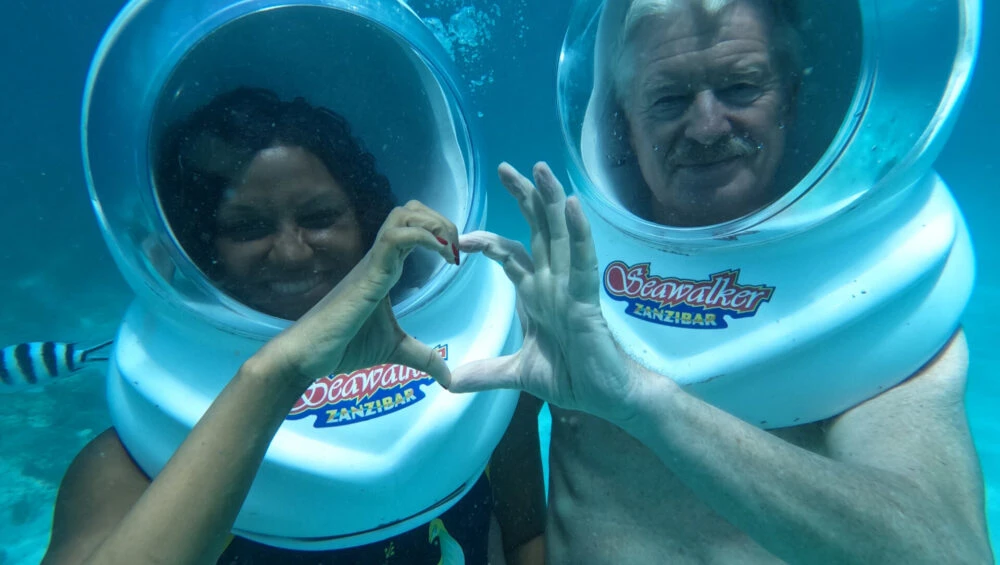

Zanzibar sits in the Indian Ocean like it was placed there deliberately — too beautiful to be an accident. But beauty alone doesn't guarantee a great trip. The right season transforms a nice holiday into one of those rare experiences you keep telling people about years later.
Whether you're planning to spend your days floating above coral gardens on a Zanzibar snorkeling tour, peering through a porthole on a Zanzibar submarine excursion, or simply deciding which month gives you the most reliable sunshine — this guide covers all of it. And we'll be honest with you, the way locals who've watched thousands of visitors come and go tend to be.
The Best Season to Visit Zanzibar
Zanzibar follows a tropical monsoon climate shaped by two seasonal wind systems — the northeast monsoon (Kaskazi) from November to March, and the southeast monsoon (Kusi) from May to October. In between, two rainy seasons arrive like clockwork. Once you understand these patterns, timing your trip gets a lot easier.
The short answer: the best season to visit Zanzibar for most travellers runs from June through October. This is when the Kusi winds blow in dry, mild air off the Indian Ocean, sea conditions calm down, and underwater visibility peaks. But that's not the whole story.
Season Months Weather For Ocean Activities
Long Dry Season June – Oct Clear, 24–28°C, low humidity Best
Short Dry Season Dec – Feb Warm, 28–32°C, brief showers Very Good
Short Rains (Vuli) Nov Mild showers, warm seas Good
Long Rains(Masika) Mar – May Heavy rain, rough seas Limited
If you're travelling specifically for water-based experiences — snorkeling, diving, submarine tours, or coastal walks — the June to October window is when everything aligns. Visibility underwater can reach 20–30 metres during this period. That's the kind of clarity where you can watch a sea turtle glide past from a distance and still make out every detail of its shell.
December through February runs a close second. The seas are warmer (around 28–29°C), and while the occasional afternoon shower interrupts things, mornings are typically clear and brilliant. This window also sees fewer visitors than peak season, which makes a real difference when you're on a snorkeling boat or exploring a reef.
Zanzibar Snorkeling Tours: What You Need to Know
Few places in East Africa offer snorkeling as accessible — or as varied — as Zanzibar. You don't need to be a confident swimmer or dive-certified to see something extraordinary here. The reefs are relatively shallow in many areas, the water is clear, and marine life is genuinely abundant.
Mnemba Atoll
The crown jewel of Zanzibar snorkeling tours. This protected marine reserve off the northeast coast is home to reef sharks, sea turtles, and hundreds of fish species. Best accessed from July to October when currents are gentler.
Chumbe Island
A coral park sanctuary where the reef is among the most intact in the region. Strict visitor limits mean you're never sharing the water with a crowd. Book well in advance — spots go quickly in peak season.
Leven Bank
An offshore seamount known for whale shark sightings from October through February. Guided Zanzibar snorkeling tours here are an entirely different experience — open water, deep blue, and something massive moving below you.
Nakupenda Sandbar
A shallow reef near a disappearing sandbar. Ideal for beginners or families. The combination of snorkeling and a pristine sandbar picnic makes this a favourite half-day trip from Stone Town year-round.
A word on choosing a tour operator: the quality of Zanzibar snorkeling tours varies considerably. Look for operators who provide reef-safe sunscreen guidance, limit group sizes, and use knowledgeable guides who can actually name the creatures you're looking at. A crowded boat with a distracted crew takes a lot of the magic out of an otherwise stunning reef.
At Zanzibar SeaWalk, our coastal experiences are designed around the same principle — keeping groups small, moving slowly, and paying attention. The ocean reveals far more when you're not rushing through it.
The Zanzibar Submarine: Going Deeper
The best time for Zanzibar submarine tours tracks closely with snorkeling season. June through October offers the clearest water and the best light penetration — a crucial factor when you're watching underwater life through glass rather than a mask. December through February is nearly as good, with the added benefit of warmer water temperatures that bring more active marine behaviour.
Most Zanzibar submarine tours depart from the east coast, around Michamvi and Paje, or from the northern tip near Nungwi. The north coast generally offers calmer conditions year-round, making it more reliable outside of peak season. If you're visiting in November or March — transitional months with unpredictable weather — the north is your safer bet.
Practical Tips Before You Book
1. Book snorkeling tours and submarine excursions early. Peak season (July–August) sees popular trips sell out days in advance. If you want Mnemba Atoll or Chumbe Island, don't leave it until you arrive.
2. Morning departures are always better. Sea conditions are calmest before noon, visibility is sharpest, and afternoon winds on the east coast can get choppy surprisingly quickly.
3. Reef-safe sunscreen only. Chemical sunscreens are visibly damaging Zanzibar's coral. Many operators provide it — but bring your own mineral-based option to be certain.
4. Check tide timings for shore-based activities. Coastal walks, tidal pool explorations, and certain shallow reef sites are entirely dependent on tides. Low tide in the morning offers the most rewarding access.
5. Combine experiences across a few days. A Zanzibar snorkeling tour one morning, a submarine excursion the next afternoon, and a guided tidal walk at sunrise — you'll see more of the marine ecosystem in three days than most visitors do in a week.
6. Seasickness is real on longer boat trips. If you're prone to motion sickness, take something before departure. Even in calm conditions, the Indian Ocean swell has a rhythm that catches people off guard.
The Bottom Line
The best season to visit Zanzibar for ocean experiences is June through October — no question. The water is clear, conditions are reliable, and every marine activity from Zanzibar snorkeling tours to submarine excursions performs at its best. But don't write off December to February if that's when your schedule allows. The island is beautiful, the water is warm, and you'll share it with fewer people.
What matters most isn't just picking the right month. It's choosing to slow down once you're there — to look a little more carefully at what's in the water, to take the sunrise walk before the rest of the boat wakes up, to pick the smaller tour over the cheaper one. Zanzibar rewards that kind of attention in ways that are genuinely hard to describe from behind a desk.
When you're ready to experience it, Zanzibar SeaWalk will be waiting at the shoreline.







Sign in to leave a comment.