
Investors constantly search for assets that can reduce volatility while still offering meaningful participation in global economic growth. Best silver ETFs in India have emerged as a practical route for individuals who want exposure to precious metals without the complications of storage, insurance, or purity verification. These exchange traded products combine the convenience of stock market transactions with the defensive characteristics that commodities often bring to a diversified portfolio.
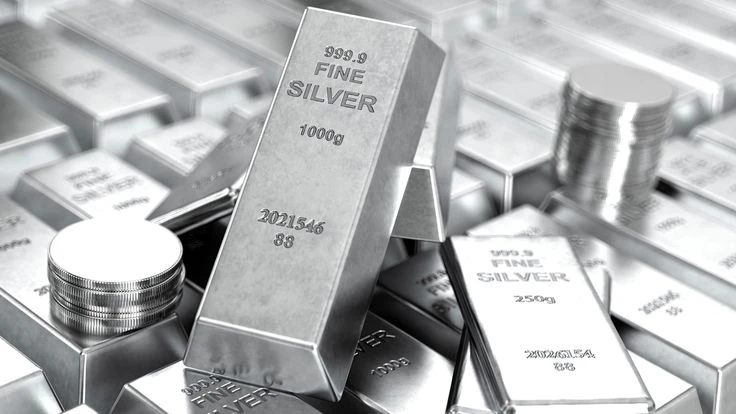
Silver has always occupied a unique place in financial history. It behaves partly like a precious metal used for wealth preservation and partly like an industrial input tied to manufacturing demand. Because of this dual identity, its price can respond to inflation expectations, currency movements, technological expansion, and shifts in global trade patterns.
For modern investors, ETFs translate these macro themes into a format that is easy to buy and sell through a demat account.
Why Stability Matters in Today’s Markets
Volatility is no longer an occasional phenomenon; it is a recurring feature. Rapid information flow, algorithmic participation, geopolitical developments, and policy changes can cause sharp swings in asset prices within minutes. For long-term savers, repeated turbulence can be emotionally draining and financially disruptive.
Adding instruments that historically demonstrate lower correlation with equities may soften overall portfolio impact. Silver, though not immune to price movement, sometimes performs differently from stocks during uncertain periods. This potential diversification benefit is what draws attention toward exchange traded options.
What Makes Best Silver ETFs in India Attractive
Convenience is the first advantage. Instead of buying physical bars or coins, investors can hold units electronically. Liquidity improves because trades settle on exchanges, enabling transparent pricing.
Cost efficiency is another factor. Management expenses tend to be lower compared to actively managed commodity strategies. Furthermore, the absence of storage requirements eliminates logistical complications.
Accessibility also expands participation. Even small ticket sizes allow investors to build gradual exposure.
How Silver Functions as a Portfolio Component
Understanding silver’s behavior helps determine appropriate allocation. When industrial activity rises, demand from electronics, solar panels, and other sectors can push prices upward. During inflationary phases, precious metals may attract those seeking purchasing power protection.
At the same time, global slowdowns might reduce consumption, leading to temporary weakness. Therefore, silver should be viewed neither as a guaranteed hedge nor as a pure growth engine. It is a complementary element.
Factors to Evaluate Before Selecting an ETF
Though products may appear similar, subtle differences matter.
Tracking Efficiency
The ability of the fund to mirror underlying silver prices is crucial.
Expense Ratio
Lower costs can improve long-term outcomes.
Liquidity
Higher trading volumes may reduce spreads.
Structure and Custody
Understanding how metal is stored and audited provides confidence.
Tax Treatment
Investors should evaluate implications relative to their broader plan.
Thoughtful comparison avoids unpleasant surprises later.
Role of Time Horizon
Short-term traders may approach silver differently from long-term investors. Those with extended horizons often tolerate interim fluctuations because they focus on macro diversification benefits. Meanwhile, tactical participants may monitor price patterns closely.
Clarity about time frame influences decision-making.
Psychological Comfort and Asset Backing
Many individuals appreciate owning something tangible, even indirectly. Precious metals carry centuries of recognition as stores of value. This historical familiarity can provide reassurance during uncertain times.
While markets evolve, human psychology retains these anchors.
Integrating Silver With Other Investments
A portfolio rarely relies on a single instrument. Equities may drive growth, debt can offer income, and commodities may enhance resilience. Best silver ETFs in India fit naturally within such a framework.
Allocation percentages vary, but moderation often works better than extremes.
Common Misconceptions
Some investors assume silver will always rise when equities fall. Reality is more complex. Correlations shift depending on macro environment. Treating ETFs as magical protection may lead to disappointment.
Balanced expectations encourage rational planning.
Global Influences on Silver Prices
International dynamics strongly affect valuations. Currency strength, mining output, recycling trends, and technological innovation all contribute. Monitoring these drivers can provide insight into medium-term possibilities.
Awareness strengthens conviction.
Importance of Liquidity During Stress
In volatile markets, the ability to enter or exit quickly becomes vital. Exchange traded formats provide this advantage compared with physical ownership, where finding buyers or negotiating premiums may take time.
Speed enhances flexibility.
Risk Considerations Investors Must Respect
Even defensive assets fluctuate. Sudden economic shifts or speculative activity can create sharp price moves. Over-allocation may therefore increase vulnerability instead of reducing it.
Risk management remains essential.
Rebalancing as a Discipline
As values change, portfolio weights drift. Periodic rebalancing brings them back in line with intended strategy. This process encourages buying lower and trimming higher, promoting systematic behavior.
Consistency beats impulse.
How Beginners Can Start
New investors often begin with modest exposure. Learning how prices react to news builds familiarity. Over time, confidence may increase, allowing refined decisions.
Gradual progression helps avoid overwhelm.
Comparing Silver With Gold
While both are precious metals, their demand structures differ. Gold is often viewed primarily as a financial reserve, whereas silver carries stronger industrial linkage. These differences mean performance patterns may diverge.
Owning both can broaden diversification.
Technology and Transparency
Modern platforms publish holdings, net asset values, and historical performance regularly. Such transparency supports informed choices and reduces uncertainty.
Information empowers participants.
Long-Term Wealth Preservation Perspective
Throughout history, assets that maintain relevance across economic cycles tend to survive. Silver’s combination of industrial utility and monetary heritage contributes to its staying power.
Investors who appreciate this blend may view ETFs as a strategic holding.
The Practical Advantage of Demat Ownership
Electronic units simplify administration. There is no concern about theft, quality disputes, or transport logistics. Transactions integrate smoothly with other market activities.
Efficiency saves time.
Evaluating Allocation Size
Financial planners frequently recommend moderation. A small but meaningful share may provide diversification without dominating performance. Determining exact numbers depends on risk appetite and goals.
Personalization matters.
Monitoring Market Signals
Interest rates, inflation data, manufacturing trends, and global trade developments can influence outlook. Keeping an eye on these indicators may enhance decision quality.
Preparation reduces uncertainty.
Building a Stable Core
A resilient portfolio often combines growth assets with stabilizers. Silver ETFs may serve as part of this foundation, complementing equities and fixed income.
Harmony improves endurance.
Final Thoughts on Strategic Integration
Investors today enjoy access to a wide range of instruments that make diversification easier than ever. Among these, the best silver ETFs in India provide a straightforward path toward precious metal exposure while maintaining liquidity and transparency.
Active traders sometimes pair their long-term holdings with tactical approaches to enhance opportunity. In such structures, facilities like mstock margin trading may be used for short-duration strategies, while silver allocations continue to represent steadier components within the broader financial blueprint.






















Sign in to leave a comment.