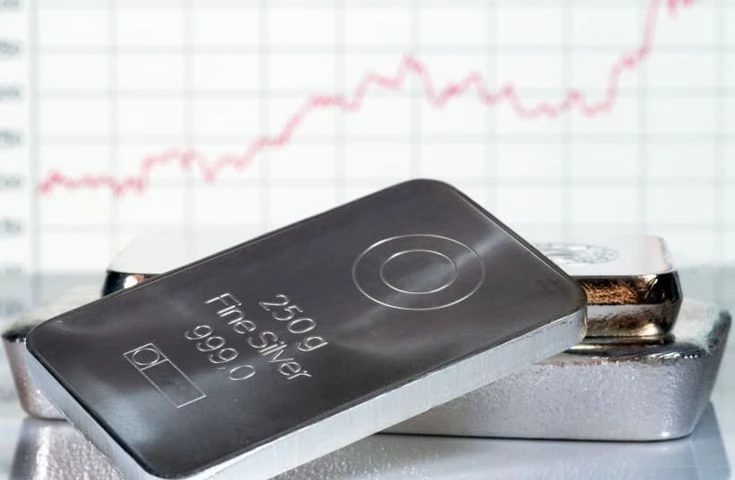

Volatility has become a regular feature of global financial markets. Equity corrections, inflation pressures, geopolitical tensions, and currency fluctuations constantly test investor confidence. In such uncertain conditions, diversification becomes more important than ever. Many investors looking to safeguard their capital are now turning toward the best silver ETFs in India as a strategic hedge against market instability and long-term inflation risks. Silver, often considered both an industrial metal and a precious asset, offers a unique combination of growth potential and defensive strength.
Unlike physical silver investments that involve storage and purity concerns, silver ETFs provide a seamless, transparent, and regulated way to gain exposure to silver prices. They allow investors to participate in the metal’s performance directly through their demat accounts without operational complications. As we move toward 2026 and beyond, silver ETFs are increasingly being viewed as an essential component of a resilient portfolio.
In this comprehensive guide, we will explore how silver ETFs work, why they offer strong portfolio protection, the top options available in India, their risks and tax implications, and how to strategically allocate them within a diversified investment plan.
Why Silver Plays a Protective Role in Portfolios
Silver is often compared to gold, but it behaves differently in several important ways. While gold is primarily considered a monetary and safe-haven asset, silver has dual characteristics.
First, silver is widely used in industrial applications. It plays a critical role in solar panels, electric vehicles, electronics, and medical equipment. This industrial demand gives silver growth potential during economic expansion.
Second, silver also acts as a hedge during inflationary periods. When currencies weaken or economic uncertainty rises, investors often shift toward tangible assets, including precious metals.
Because of this dual nature, silver can provide both defensive stability and cyclical upside. That makes the best silver ETFs in India particularly attractive for investors seeking strong portfolio protection without sacrificing growth opportunities.
What Are Silver ETFs and How Do They Work?
A silver ETF is an exchange-traded fund that tracks the domestic price of physical silver. These funds invest primarily in silver bullion stored securely by custodians. Each unit of the ETF represents a specific quantity of silver, and its value fluctuates according to market prices.
Silver ETFs are traded on stock exchanges like regular shares. Investors can buy and sell them during market hours using a brokerage account.
The structure offers multiple benefits:
- No need for physical storage
- No purity verification concerns
- High liquidity
- Transparent pricing
- Easy portfolio integration
Because of regulatory oversight by SEBI, silver ETFs maintain transparency in holdings and disclosures, making them a reliable instrument for retail investors.
Key Benefits of Investing in the Best Silver ETFs in India
Best silver ETFs in India are not just about convenience; they offer tangible strategic advantages.
1. Inflation Hedge
Silver prices often rise during inflationary cycles. When purchasing power declines, precious metals may preserve value more effectively than cash.
2. Diversification from Equities
Silver typically has a low correlation with equities. During stock market downturns, silver can act as a balancing asset.
3. Industrial Growth Exposure
Silver benefits from technological expansion, renewable energy demand, and global infrastructure growth.
4. Liquidity and Flexibility
Unlike physical silver, ETFs can be sold instantly during trading hours without negotiation.
5. Cost Efficiency
There are no making charges or storage costs, making ETFs more cost-effective over the long term.
For investors seeking structural stability in uncertain times, these benefits make silver ETFs highly relevant.
Top Options Among the Best Silver ETFs in India
While multiple silver ETFs are available in the Indian market, certain fund houses stand out due to their scale, liquidity, and reputation.
Nippon India Silver ETF
Nippon India Mutual Fund offers one of the most recognized silver ETFs in India. The fund invests primarily in physical silver and aims to closely track price movements.
Strengths include:
- Strong asset base
- Reliable tracking efficiency
- Established fund management credibility
This ETF is often preferred by investors seeking liquidity and institutional backing.
ICICI Prudential Silver ETF
ICICI Prudential Mutual Fund provides another solid choice for silver exposure. It maintains physical silver holdings and adheres to transparent management practices.
Key highlights:
- Strong brand presence
- Competitive expense ratio
- Good trading participation
It is suitable for medium to long-term portfolio allocation.
Axis Silver ETF
Axis Mutual Fund has also entered the silver ETF space with a competitive offering.
Investors appreciate:
- Cost-effective structure
- Clear disclosure policies
- Growing market acceptance
Although relatively newer, it adds diversification across fund houses.
Before investing, always compare expense ratios, assets under management, liquidity, and tracking performance.
How Much Silver Should You Allocate?
Allocation depends on risk tolerance and financial goals. Many financial planners suggest allocating between 5 percent and 10 percent of a diversified portfolio to precious metals.
Conservative investors may lean toward lower allocation, while those expecting commodity cycles to strengthen may consider slightly higher exposure.
However, overexposure to silver can increase volatility. Balance is key.
Silver ETFs vs Physical Silver
When comparing ETFs with physical silver, practicality often determines the choice.
Physical silver requires secure storage, insurance, and authentication checks. Selling may involve price negotiation and lower liquidity.
Silver ETFs eliminate these challenges. They offer ease of trading, fractional ownership, and seamless integration into digital portfolios.
For investors focused on convenience and transparency, ETFs often prove more efficient.
Taxation of Silver ETFs in India
Taxation plays a significant role in net returns.
Silver ETFs are treated as non-equity investments for tax purposes. If held for more than three years, gains qualify as long-term capital gains and typically benefit from indexation.
If sold within three years, gains are treated as short-term capital gains and taxed according to your income slab.
Tax rules may change over time, so consulting a tax professional is advisable.
Risks Associated with Silver ETFs
Despite their benefits, silver ETFs carry certain risks.
Price Volatility
Silver prices can fluctuate significantly due to global supply-demand dynamics and currency movements.
Currency Risk
Since silver is internationally priced in US dollars, INR fluctuations impact returns.
Tracking Error
Expense ratios and operational costs may create slight differences between ETF returns and actual silver price performance.
Market Sentiment Risk
Commodity prices are sensitive to macroeconomic data and global events.
Understanding these risks ensures informed decision-making.
Strategic Approaches for Strong Portfolio Protection
To maximize benefits, investors should adopt disciplined strategies.
Gradual Accumulation
Instead of investing a lump sum, accumulate silver ETF units gradually during market corrections.
Long-Term Holding
Silver often moves in cycles. Patience can help capture full-cycle gains.
Rebalancing
Periodically rebalance your portfolio to maintain target allocation levels.
Combining with Other Asset Classes
Silver works best as part of a diversified mix including equities, debt instruments, and other commodities.
Outlook for Silver in 2026 and Beyond
Several structural factors may influence silver demand in coming years:
- Growth in renewable energy
- Expansion of electric vehicles
- Industrial digitization
- Inflationary monetary policies
These trends could sustain silver’s long-term relevance.
However, global economic slowdowns may temporarily affect industrial demand. Investors should maintain realistic expectations and avoid over-leveraging positions.
Building a Resilient Investment Framework
Strong portfolio protection is not about avoiding risk entirely — it is about balancing it intelligently.
A resilient framework may include:
- Core equity investments for growth
- Fixed-income allocation for stability
- Silver ETFs for diversification
- Tactical trading capital for short-term opportunities
This balanced approach reduces dependence on any single asset class.
Final Thoughts
In an era of economic uncertainty and rapid market shifts, diversification is no longer optional — it is essential. The best silver ETFs in India provide a practical, regulated, and efficient method to gain exposure to precious metals without the complications of physical ownership. By carefully evaluating expense ratios, liquidity, tracking efficiency, and allocation strategy, investors can use silver as a powerful tool for portfolio protection.
While long-term allocation builds stability, some active traders also explore tactical opportunities through tools like mstock margin trading to capitalize on short-term price movements. However, leveraged strategies require disciplined risk management and should complement — not replace — a diversified core portfolio.
By combining structured silver ETF investments with thoughtful capital allocation and risk control, investors can strengthen their portfolios and navigate market uncertainty with greater confidence heading into 2026 and beyond.
























Sign in to leave a comment.