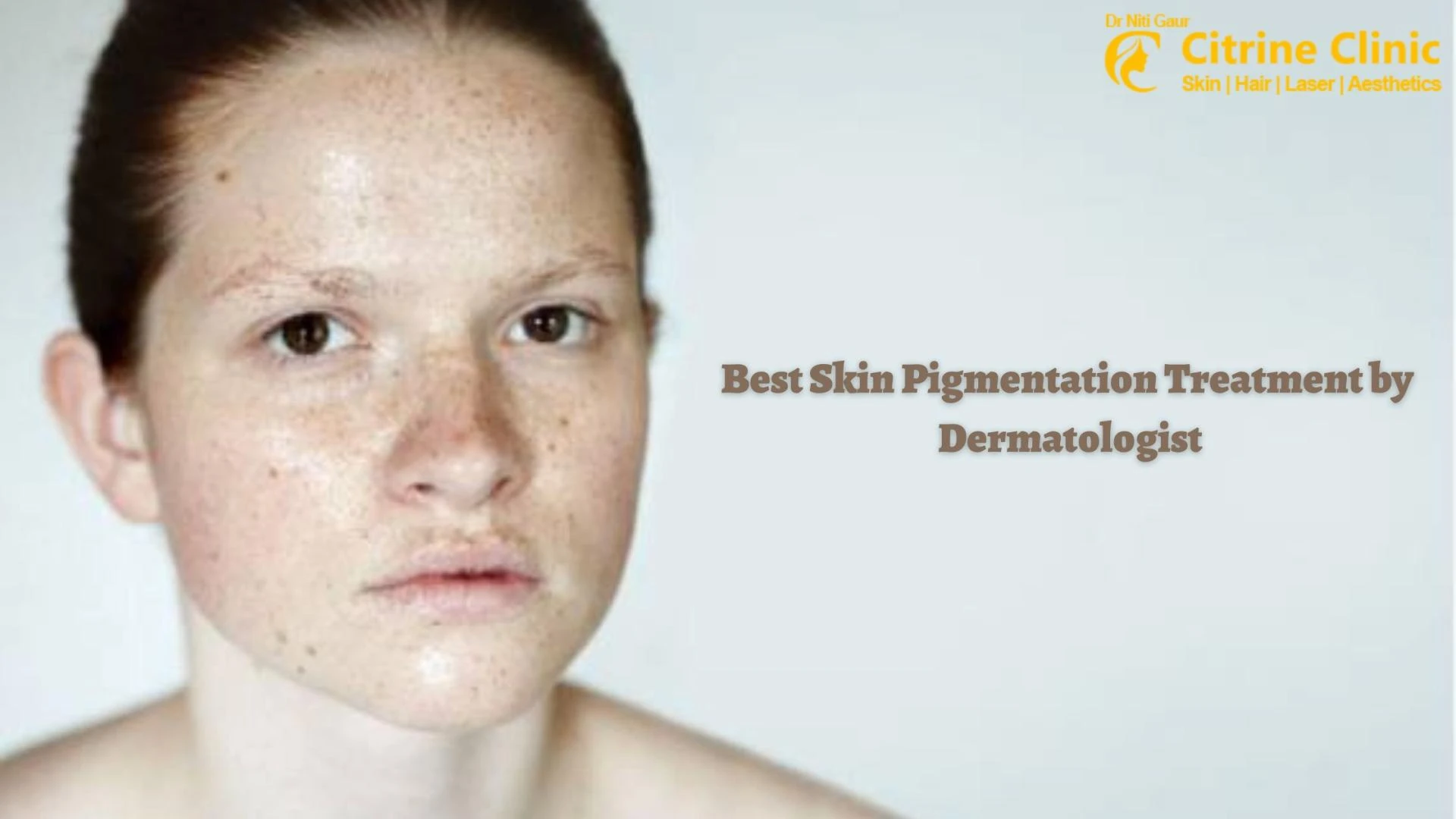

The facial discoloration is one of those unpleasant skin conditions that can develop at any time of the year, even though the warmer months are associated with a rise in pigmentation.
Fortunately for those affected by pigmentation, advancements in cosmetic technology have made it possible to eliminate obstinate dark spots and restore the skin's radiance.
In this blog, the best dermatologist in Gurgaon, Dr. Niti Gaur of the Citrine Clinic will explore everything there is to know about pigmentation, from the primary causes to the treatments and everything in between, to assist individuals in determining the best solution for their face pigmentation.
What exactly is pigmentation?
Pigmentation, or hyperpigmentation, is the darkening of the skin in localized patches or, in the case of generalized hyperpigmentation, in large areas.
The overproduction of melanin (pigment) by melanocytes (pigment-producing cells) may be caused by hormonal imbalances, UV exposure, inflammation, aging, and some drugs.
What are the different pigmentation types?
Not all dark patches are identical. Before one can cure pigmentation, one must first identify the type of discoloration one is dealing with.
The various types of pigmentation include:
Sun Spots & Age FrecklesSun spots (solar lentigines) and age freckles (macular seborrhoeic keratoses) are kinds of pigmentation brought on by continuous sun exposure and aging. They are typically found on the backs of the hands and face. She stated,
MelasmaMelasma is characterized by brownish areas on the forehead, cheeks, and mustache region (upper cutaneous lip). Hormonal variables like oral contraceptives, pregnancy, genetics, and sun exposure cause it.
Hyperpigmentation Post-InflammatoryPost-inflammatory hyperpigmentation is more of a reactive increase in pigmentation resulting from inflammation, such as acne, or a superficial trauma (e.g., picking at pimples) or scratches.
Pigmentation Induced by MedicationAnti-malarials and certain antibiotics can produce pigmentation.
Widespread or generalized pigmentationGeneralized or widespread pigmentation may result from dermatological disorders like Lichen Planus or underlying medical conditions like Addison's disease.
Do different face pigmentation types require distinct therapies?
Yes, each specific diagnosis or underlying reason will dictate its therapy alternatives, "Dr. Niti Gaur adds.
The overriding principle, however, is to employ sun protection to prevent additional pigmentation worsening."
Active substances such as hydroquinone, azelaic acid, kojic acid, and arbutin are other topical substances that can help eradicate hyperpigmentation.
These components have been proven to suppress tyrosinase activity (the key enzyme involved in melanin production).
What are dermatological pigmentation removal treatments available at Citrine Clinic?
Depending on the patient's budget and the intensity of the pigmentation, there are a variety of in-clinic treatments for face pigmentation.
Topical and Oral Prescription Drugs
There are a number of medications that can minimize the look of facial discoloration, and a dermatologist best selects them.
Chemical Peel
Mild chemical peels composed of lactic acid and vitamin C are extremely effective at reducing pigmentation.
Low-strength peels, frequently paired with light treatment, can assist in gradually reducing pigmentation and evens out the skin tone.
Q-switched or Laser Toning
Q-switched lasers, a form of nonablative laser, target pigment clusters deep beneath the dermis. They function by producing a powerful sonic wave that physically shatters melanin, thereby successfully lightening discolored spots.
The laser emits energy in extremely brief bursts (one billionth of a second) to allow melanin to absorb heat without damaging the skin's surface. Q-switched lasers are good for treating darker skin tones and are capable of curing the majority of hyperpigmentation types.
Carbon Laser Peel
It is a cutting-edge skincare procedure that employs carbon and laser to eliminate skin imperfections. The Carbon laser peel technique is painless, straightforward, and brief. The procedure provides the individual with gorgeous, soft, and painless skin. The laser stimulates collagen formation in the skin, while carbon eliminates dead skin cells. As a result, the skin's appearance becomes more clear and smooth. As this laser is potent and penetrates deeply into the skin, it is also particularly effective at eliminating scars.
The dermatologist in Gurgaon begins the treatment by putting a topical carbon-based medicine on the skin. This is performed to remove dirt, pollutants, and dead skin cells from the skin's surface.
In addition to cleaning pollutants, carbon particles tighten the skin's pores. The following stage involves cleansing the face and gliding the laser device over the skin's surface. Laser Carbon Peel removes damaged skin layers and stimulates the production of new, healthy collagen. As a result, the skin's tone and texture are improved.
Other treatments like mesotherapy, micro-needling, growth factor, and medical facials are offered at Citrine clinic to remove skin pigmentation. To know more about Pigmentation Treatment in Gurgaon and achieve a glowing, pigmentation-free skin tone, consult an expert dermatologist at Citrine Clinic.
0











Sign in to leave a comment.