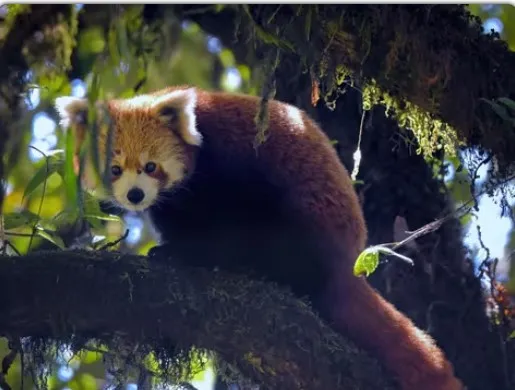

Singalila National Park is one of the rare places in India where you can spot the shy and beautiful red panda in its natural habitat. Located along the ridge of the Eastern Himalayas, this park offers dense forests, peaceful trails, and rich biodiversity. But spotting a red panda is not just about luck—it largely depends on choosing the right season. In this guide, you will understand the best time to visit Singalila National Park for red panda sightings, along with practical tips, weather details, and travel insights to improve your chances of seeing this unique animal.
Why Timing Matters for Red Panda Sightings
Red pandas are naturally elusive and spend most of their time resting on trees or hidden in dense bamboo forests in Singalila National Park. Their activity levels, visibility, and movement patterns change with the seasons. This is why choosing the right time to visit becomes extremely important.
Factors that affect sightings include:
- Weather conditions
- Food availability (mainly bamboo)
- Tourist movement
- Forest visibility
Seasonal Guide to Visit Singalila National Park
Spring Season (March to May) – Best Time for Sightings
Spring is widely considered the best season for red panda sightings.
Why Spring is Ideal:
- Red pandas are more active after winter
- Clear skies and pleasant weather
- Fresh bamboo shoots attract red pandas
- Better visibility in forests
Weather:
- Temperature: 8°C to 18°C
- Comfortable for trekking and wildlife exploration
What to Expect:
During this time, red pandas become more active and move within forest areas in search of fresh bamboo. Early morning and late afternoon are the best times for sightings.
Summer Season (June to Early July) – Good but Limited
Summer can still be a decent time, but it is not the ideal season for red panda sightings.
Pros:
- Moderate temperatures
- Active wildlife
Cons:
- Increasing humidity
- Start of monsoon can affect travel
Weather:
- Temperature: 10°C to 20°C
Tip: Early June can still be suitable, but late June onwards may be affected by monsoon.
Monsoon Season (July to September) – Not Recommended
This is not a good time if your goal is red panda spotting.
Challenges:
- Heavy rainfall
- Slippery trekking routes
- Dense fog reduces visibility
- Limited wildlife movement
Even though the forest looks lush and green, sightings become very rare.
Autumn Season (October to November) – Second Best Time
Autumn is another excellent period and is considered the second-best season for red panda sightings.
Why Autumn Works:
- Clear mountain views
- Dry weather improves trekking conditions
- Red pandas are active before winter
Weather:
- Temperature: 5°C to 15°C
Bonus:
You also get stunning views of Himalayan peaks, making your trip more rewarding.
Winter Season (December to February) – Challenging but Possible
Winter is not the easiest time, but sightings are possible but significantly lower due to reduced activity and harsh conditions.
Pros:
- Fewer tourists
- Quiet forest environment
Cons:
- Cold temperatures
- Snowfall in some areas
- Reduced animal movement
Weather:
- Temperature: -2°C to 10°C
Red pandas tend to stay hidden during extreme cold, so chances are lower compared to spring and autumn.
Best Months for Red Panda Sightings
If you want a clear answer, here are the best months:
- March to May (Top Choice)
- October to November (Strong Alternative)
These months offer the perfect balance of weather, visibility, and animal activity, making them ideal for red panda sightings.
Best Time of Day to Spot Red Pandas
Even in the right season, timing during the day matters.
Early Morning (5:30 AM – 9:00 AM)
- Highest chances of sightings
- Red pandas come out to feed
Late Afternoon (3:30 PM – 6:00 PM)
- Active movement before sunset
Avoid midday as red pandas usually rest during that time.
Where to Spot Red Pandas in Singalila
Certain areas in the park are more favorable:
- Dense bamboo forests
- Quiet forest trails
- Higher altitude zones
Look for areas with minimal disturbance and rich vegetation.
Tips to Increase Your Chances of Sightings
- Choose the Right Season
Plan your visit during the right season—spring or autumn.
- Go with Experienced Guides
Local guides understand animal behavior and movement patterns.
- Stay Quiet and Patient
Red pandas are sensitive to noise. Silence improves your chances.
- Wear Neutral Colors
Avoid bright colors that may disturb wildlife.
- Start Early
Morning treks give you the best opportunity.
Stay Near Singalila for Red Panda Expeditions
Choosing the right stay is important when planning your trip. A red panda outpost stay near the forest helps you start early, increasing your chances of spotting red pandas.
What You Can Expect
- Comfortable rooms with basic facilities
- Fresh local food
- Peaceful surroundings close to nature
- Easy access to trekking routes
Why It Matters
A nearby stay saves travel time and allows better planning for early morning and evening treks—the best time for wildlife sightings. It also gives you a more natural and relaxed experience in the Himalayas.
What to Pack for Your Trip
- Warm clothing (layered)
- Comfortable trekking shoes
- Binoculars
- Camera with zoom lens
- Rain protection (especially in shoulder seasons)
Being prepared helps you enjoy the journey while focusing on wildlife.
Travel and Accessibility
Singalila National Park is accessible from Manebhanjan (main entry point near Darjeeling). From there, trekking or guided tours take you deeper into the forest.
- Entry permits are required
- Guided tours are recommended
- Trekking routes vary in difficulty
Planning in advance ensures a smooth experience.
Conclusion
Choosing the right time to visit can make a huge difference in your wildlife experience. While the park is beautiful throughout the year, spring (March to May) and autumn (October to November) offer the highest chances of spotting red pandas.
With the right timing, proper planning, and a bit of patience, you can witness one of the most charming animals in its natural environment. Whether you are a wildlife lover or a nature traveler, this experience is truly unforgettable. Plan wisely, respect nature, and enjoy the journey into the peaceful forests of Singalila.

























Sign in to leave a comment.