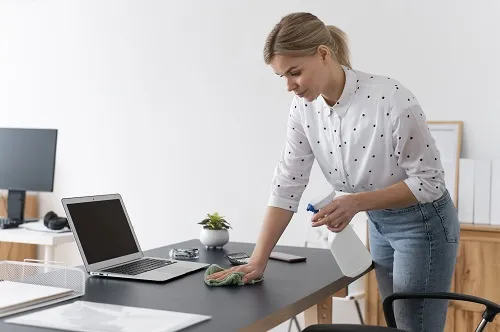

Buying used office furniture offers a smart way to save money while still getting durable, high-quality pieces for daily use. Many businesses and home offices explore options like refurbished desks or used desk chairs for sale in Houston TX, especially when budgets need flexibility without sacrificing comfort. Over time, even well-built furniture can start to show signs of wear if it does not receive proper care. Dust, stains, loose parts, and minor damage can reduce both appearance and performance.
Regular cleaning and simple maintenance routines help extend the life of office furniture while keeping the workspace clean and professional. With the right approach, second-hand furniture can continue to perform like new for many years. This guide explains practical cleaning methods, material-specific care, and maintenance habits that support long-term use.
Why Cleaning and Maintaining Used Office Furniture Matters
Used office furniture often comes with hidden dust, allergens, and signs of previous use that can affect both hygiene and comfort. Proper cleaning removes buildup and creates a healthier working environment for daily tasks.
Consistent maintenance also helps furniture last longer, often adding several years to its usable life. Chairs can remain supportive, desks stay stable, and storage units continue to function smoothly when cared for regularly.
Maintaining furniture improves the overall look of a workspace, which can influence productivity and create a more positive environment. Small efforts made regularly can prevent larger repair costs later.
Essential Tools and Supplies You’ll Need
Having the right tools makes cleaning faster, safer, and more effective for different furniture materials.
- Microfiber cloths for gentle dusting and wiping
- Vacuum with brush attachment for fabric and mesh surfaces
- Mild soap or pH-neutral cleaner for general cleaning
- Disinfectant wipes for high-touch areas like armrests and handles
- Wood polish and leather conditioner for surface care
- Silicone lubricant for moving parts and mechanisms
- Soft brush and compressed air for tight spaces
Always test any cleaner on a hidden area first to avoid damage or discoloration.
Step-by-Step Guide to Cleaning Used Office Furniture
A structured approach ensures consistent results and prevents missed areas during cleaning.
Office Chairs
Start by vacuuming the entire chair, focusing on seams, cushions, and mesh backs where dust collects easily. Use a mild soap solution to spot clean stains and avoid soaking the material. Wipe armrests, bases, and adjustment levers with disinfectant to remove bacteria from high-contact surfaces. Allow all parts to dry fully before use.
Desks and Workstations
Clear all items from the surface before cleaning to reach every area properly. Wipe with a damp microfiber cloth and mild cleaner to remove dirt and fingerprints. For wooden desks, apply polish occasionally to maintain finish and prevent drying. Glass surfaces require streak-free cleaners, while metal parts benefit from quick drying to avoid marks.
Filing Cabinets and Storage Units
Clean both exterior and interior surfaces to remove dust and debris. Use a soft cloth to wipe drawers and handles, then apply lubricant to drawer slides if movement feels stiff. Keeping storage units clean improves both function and organization.
General Cleaning Routine
Follow a simple order for best results:
- Remove clutter and loose items first
- Vacuum surfaces where needed
- Wipe and disinfect all contact points
- Dry surfaces completely to prevent damage
Daily light cleaning combined with weekly deeper care helps maintain consistent results over time.
Material-Specific Care Tips for Longevity
Different materials require different care methods to avoid damage and maintain quality.
Fabric and Mesh
Vacuum regularly to remove dust and prevent buildup. Spot clean stains quickly using mild solutions and avoid excess moisture. Allow proper drying to prevent odors or mold.
Leather and Vinyl
Wipe gently using a damp cloth and apply conditioner to keep the surface soft and prevent cracking. Keep these materials away from direct sunlight to reduce fading and wear.
Wood and Laminate
Clean along the grain using a soft cloth and avoid harsh chemicals that damage the finish. Use coasters and protective pads to prevent scratches and marks.
Metal Surfaces
Dry immediately after cleaning to avoid rust or streaks. Minor scratches can be treated early to maintain appearance.
Plastic Components
Simple soap and water cleaning works well for most plastic parts. These surfaces handle frequent cleaning without damage.
Mechanical Maintenance: Keep Furniture Functioning Smoothly
Cleaning alone does not keep furniture performing at its best. Mechanical checks play an important role in long-term use.
Tighten screws and bolts regularly to prevent wobbling or instability. Office chairs often loosen over time, especially with daily use. Applying silicone lubricant to moving parts helps maintain smooth adjustments and prevents noise.
Check casters and wheels for debris or wear that affects movement. Replace damaged parts early to avoid further issues. For adjustable desks, clean tracks and test mechanisms to ensure proper function.
Small adjustments made regularly can prevent major repairs and keep furniture reliable.
Long-Term Maintenance Schedule and Pro Tips
Creating a simple routine helps maintain consistency without adding unnecessary effort.
- Daily: Light dusting and quick surface wipes
- Weekly: Deeper cleaning of chairs, desks, and contact points
- Monthly: Mechanical checks, tightening, and lubrication
- Seasonal: Full inspection and deeper cleaning for long-term care
Additional practical tips can improve durability:
- Use chair mats to reduce floor wear and protect wheels
- Rotate cushions to maintain even support over time
- Keep furniture away from heat sources and direct sunlight
- Address stains and small issues as soon as they appear
A steady routine keeps furniture looking clean and functioning properly without major effort.
Common Mistakes to Avoid
Many issues with used office furniture come from simple mistakes during cleaning or maintenance.
Using harsh chemicals can damage surfaces and shorten lifespan. Over-wetting fabric or wood can lead to stains, warping, or odor buildup. Ignoring mechanical parts allows small problems to become larger repairs.
Skipping regular cleaning also leads to buildup that becomes harder to remove later. Consistency always delivers better results than occasional deep cleaning.
Conclusion
Used office furniture can deliver long-term value when cared for properly and consistently. Simple cleaning routines, material-specific care, and regular mechanical checks help maintain both appearance and performance over time. In the paragraph before closing, businesses searching for used conference room tables for sale in Houston TX can benefit even more when they combine smart purchasing with proper maintenance habits.
Start with one deep cleaning session this week, then build a simple routine that fits your schedule. Small actions taken regularly can keep your furniture comfortable, clean, and reliable for years to come.


























Sign in to leave a comment.