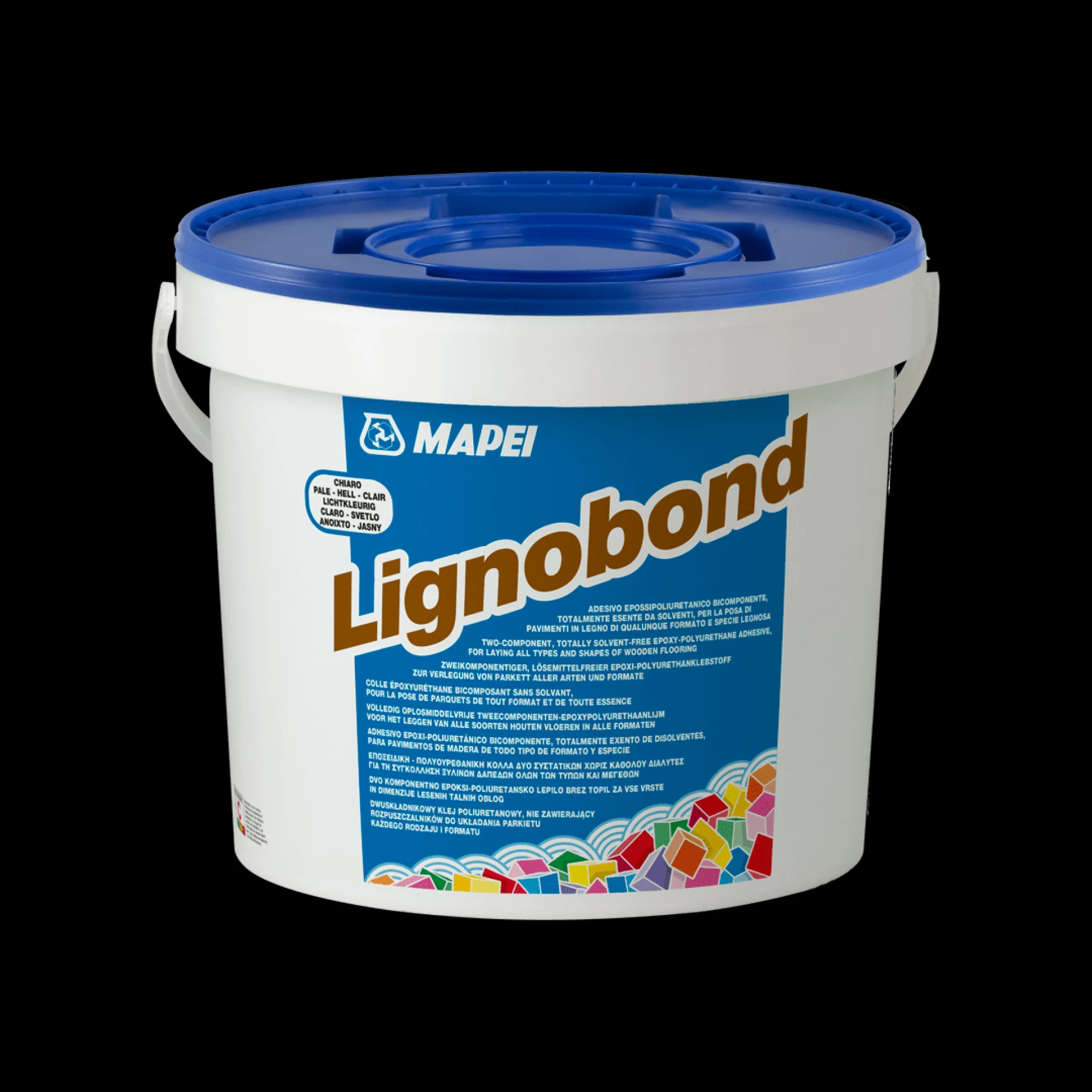
Depending on the kind of flooring you're working with—hardwood or engineered—as well as the kind of subfloor and the surrounding environment, there are various sorts of flooring adhesives, or wood glue, that you can employ. The client's preferences may also influence your choice of flooring adhesive; if they're set on taking the eco-friendly route, you'll need to select the appropriate non-toxic adhesive to meet their needs.
Hardwood floor adhesives essentially work by causing a chemical reaction that changes the adhesive's liquid state into a solid state, which then forms a bind between the substrate, or subfloor, and the floor planks. The bond is cemented and strong once the adhesive has dried, giving the flooring stability and durability. However, different kinds of adhesives function in various ways, so as a professional, you must be intimately familiar with each type.
The ability of wood floor adhesives to work under shear stress, which most closely resembles the installation process and the connection between the wood and screed, is what distinguishes them from other types of adhesives.
Adhesive for polyurethane-based floor
When it comes to applications for wood flooring, poly-based adhesives are arguably the most often utilized adhesives. The cells and fibers in the wood as well as the subfloor are joined by the polyurethane in a solid, long-lasting bond. Although the bond that is produced by this kind of glue is extremely strong and long-lasting, it is also flexible and moves with the wood over time.
Urethane-based and polyurethane-based adhesives are moisture-proof once they have dried, thus problems with water infiltration and mold won't arise. Low-VOC poly-based wood floor adhesives have solvents but still form a strong bond with the polyurethane finish that is put over the hardwood flooring. Before starting the installation process, it is crucial to carefully clean the hardwood planks and smooth out any flaws. Poly-based adhesives also have the added benefit of being able to attenuate sound and aid in soundproofing a space.
Acrylic floor adhesive
Acrylic floor adhesives are your best option if your project calls for dealing with tile, stone, or vinyl surfaces. They are made of resin and are resistant to strong sunlight and temperature changes. However, compared to water-based or poly-based flooring adhesives, they are more prone to dilution from water or water vapor.
The good news is that acrylic adhesives can rebound, so they work well with engineered wood floors. They are low-VOC and contain solvents. Acrylic flooring adhesives could be a fantastic, efficient, and long-lasting choice if you're installing engineered wood or vinyl flooring for a commercial or residential client.
Water–based Floor Adhesive
Water-based adhesives are the way to go if your client prefers to utilize environmentally friendly materials or if they don't want to wait too long for the flooring adhesive to dry before they can use the room. These adhesives have less volatile organic compounds and are much more environmentally friendly. In addition to being simple and secure to use, they are also incredibly simple to clean after the project is over. The main drawback is that since it is a water-based adhesive, moisture damage is more likely to occur. Water-based adhesives' bonds can become weak from too much moisture or water vapor, which reduces their endurance.
Which sort of flooring glue to select will be one of the most important decisions to be made when installing hardwood floors or engineered wood floors, or when replacing flooring in a space. That decision will be influenced by a number of variables, including the type of flooring, the type of subfloor, the climate and surroundings, and the preferences of the client, as we've already covered.
Buy or choose the best wooden flooring adhesive in Dubai for your floor work and make it strong and neat with our construction products from Mapei the best building manufacturing company in UAE.










Sign in to leave a comment.