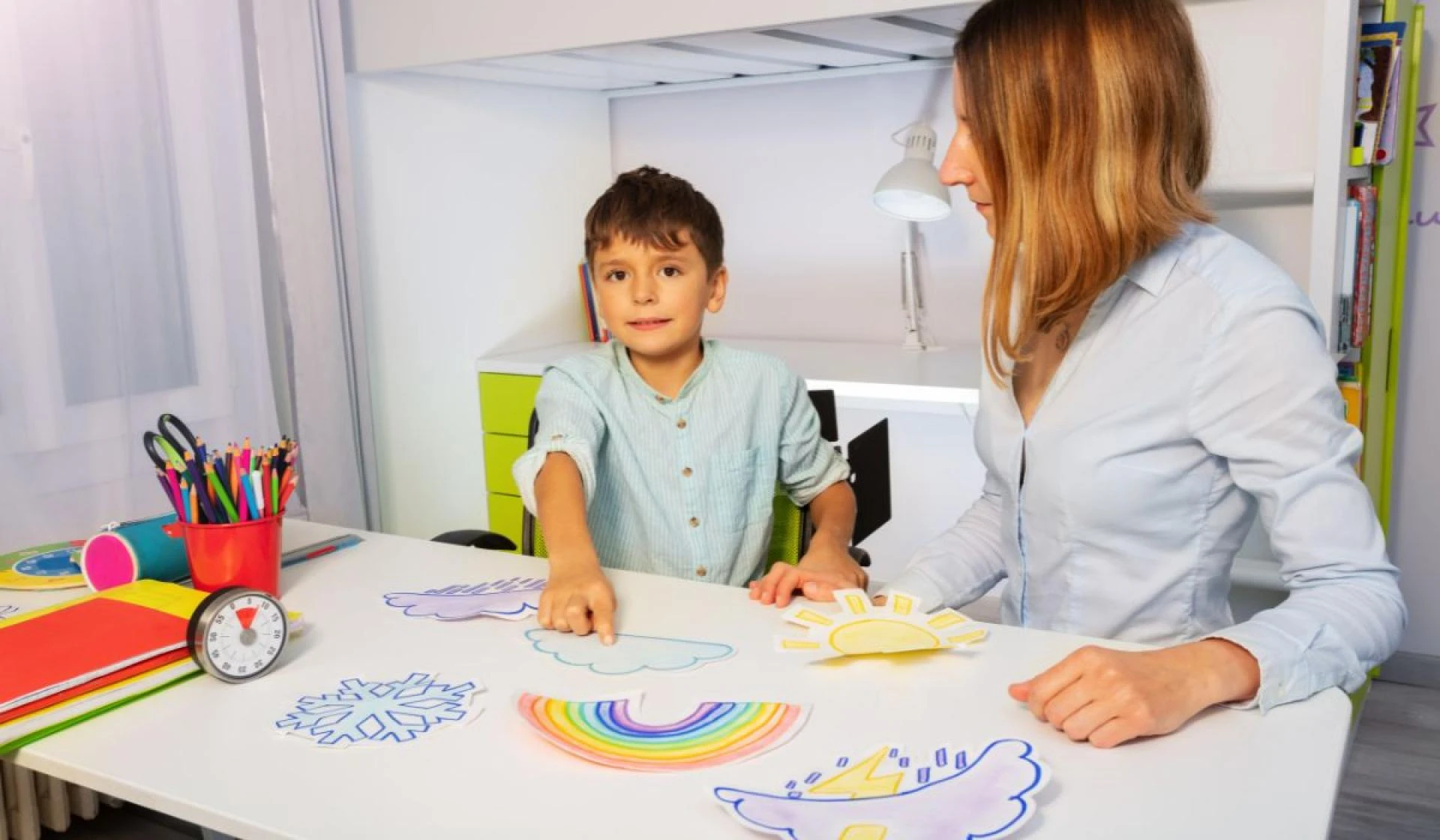

Behavioral challenges can be overwhelming for both children and their families. Whether it’s difficulty with communication, social interactions, or daily living skills, these challenges can impact a child's ability to thrive. Applied Behavior Analysis (ABA) therapy offers a structured, evidence-based approach to improving behaviors and fostering success. By using scientifically proven techniques, ABA therapy transforms obstacles into opportunities for growth.
In this article, we will explore how ABA therapy helps individuals overcome behavioral challenges and achieve meaningful progress in their daily lives.
Understanding ABA Therapy

ABA therapy is a widely recognized and effective approach for behavior management. It is based on the science of learning and behavior, focusing on reinforcing positive behaviors while reducing problematic ones. ABA therapy is used to help children and individuals develop essential life skills, improve communication, and enhance social interactions.
The therapy is highly individualized, meaning that each program is tailored to the child’s specific needs. Therapists work closely with families, educators, and caregivers to ensure that the strategies used in therapy are implemented consistently in different environments.
Transforming Challenges into Achievements with ABA Therapy
1. Improving Communication Skills
One of the most significant challenges children with behavioral difficulties face is communication. Many children struggle to express their needs, leading to frustration and behavioral outbursts. ABA therapy focuses on developing effective communication skills using various techniques, including:
- Verbal Behavior Therapy (VBT): Encouraging speech development through structured teaching.
- Picture Exchange Communication System (PECS): Using visual aids to facilitate communication.
- Augmentative and Alternative Communication (AAC): Utilizing technology and devices to support communication for non-verbal individuals.
By enhancing communication skills, ABA therapy empowers children to express themselves, reducing frustration and improving their overall behavior.
2. Strengthening Social Skills
Many children struggle with social interactions, which can make it difficult for them to form friendships and engage with peers. ABA therapy helps children develop critical social skills such as:
- Eye contact and active listening
- Taking turns in conversations and games
- Understanding social cues and body language
- Sharing and cooperating with others
Through structured play, role-playing, and reinforcement strategies, ABA therapists teach children how to navigate social situations effectively. These skills help build confidence and encourage positive peer interactions.
3. Reducing Challenging Behaviors
Problem behaviors, such as aggression, self-injury, or tantrums, can hinder a child’s ability to participate in daily activities. ABA therapy addresses these behaviors by identifying their root causes and implementing intervention strategies. Therapists use techniques such as:
- Functional Behavior Assessments (FBA): Identifying triggers and motivations behind behaviors.
- Positive Reinforcement: Rewarding desirable behaviors to encourage repetition.
- Replacement Behaviors: Teaching alternative, appropriate behaviors to replace negative ones.
Through consistent intervention, ABA therapy helps reduce challenging behaviors and promotes self-regulation.
4. Building Independence in Daily Living Skills
Independence is a crucial goal of ABA therapy. Many children need support in developing essential life skills, including:
- Personal hygiene (brushing teeth, washing hands, dressing)
- Following routines and schedules
- Using utensils and feeding independently
- Toilet training and self-care
By breaking down tasks into smaller steps and using reinforcement techniques, ABA therapy enables children to master daily living skills and gain independence.
The Role of Parents and Caregivers in ABA Therapy
ABA therapy is most effective when parents and caregivers are actively involved in the process. Consistency in applying ABA strategies at home and in various settings helps reinforce learned behaviors. Here are some ways parents can support their child's progress:
- Practice ABA techniques at home: Follow the strategies recommended by the therapist.
- Provide positive reinforcement: Celebrate achievements, no matter how small.
- Communicate with therapists: Share observations and progress updates.
- Be patient and consistent: Behavior change takes time and persistence.
When families work together with therapists, children experience faster and more sustainable progress.
Measuring Progress in ABA Therapy
Success in ABA therapy is measured through data collection and continuous assessments. Therapists track behavior changes, skill development, and progress toward goals using:
- Behavior tracking charts
- Skill acquisition checklists
- Progress reports and therapy session notes
Regular evaluations help therapists adjust interventions as needed, ensuring that the therapy remains effective and aligned with the child's needs.
Looking for ABA therapy in New Jersey? We provide personalized, evidence-based therapy to help children develop essential skills, improve behavior, and gain independence. Our dedicated team is committed to supporting your child’s growth every step of the way. Contact us today to learn more!
Conclusion
ABA therapy is a powerful tool for transforming behavioral challenges into meaningful achievements. By improving communication, enhancing social skills, reducing challenging behaviors, and promoting independence, ABA therapy empowers children to reach their full potential.
With the active involvement of parents, caregivers, and skilled therapists, every child can take steps toward a brighter future. Better behavior starts here—with the right support, patience, and commitment.
If you're considering ABA therapy for your child, reach out to a certified ABA provider today and take the first step toward positive change.


























Sign in to leave a comment.