Introduction:
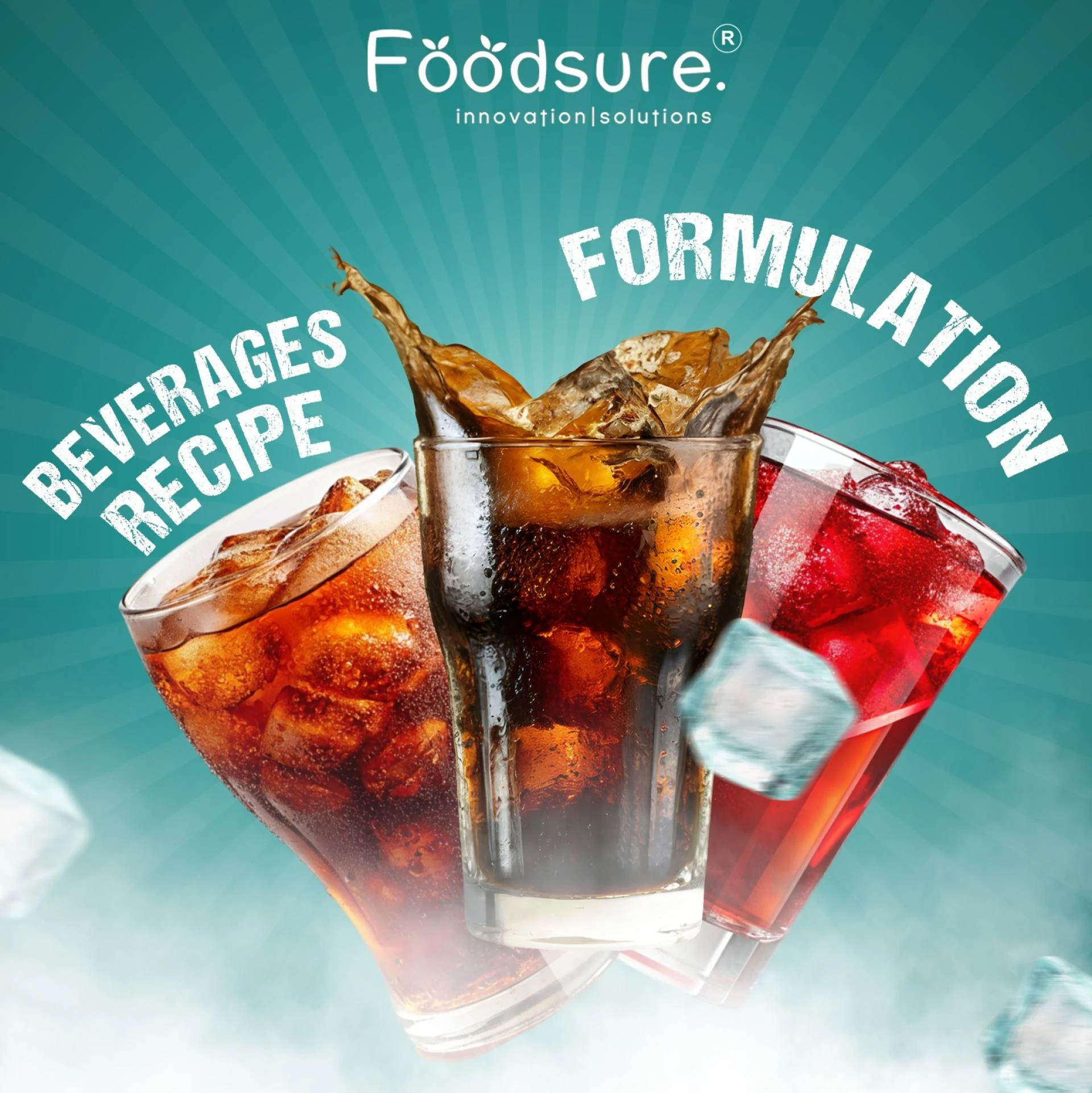
In a world driven by taste, health consciousness, and innovation, beverage recipe formulation has emerged as both an art and a science. From energy drinks to plant-based smoothies, the formulation process is essential to deliver not just flavor, but also functionality, nutrition, and shelf stability. Whether you’re a startup looking to launch the next viral drink or a beverage enthusiast curious about what goes into your favorite bottle, understanding the beverage development process is key to creating a successful product.
What is Beverage Recipe Formulation?
Beverage recipe formulation is the structured process of designing a drink by selecting and balancing ingredients such as flavors, sweeteners, acids, functional additives, and preservatives. The goal is to create a final product that satisfies sensory appeal, meets regulatory standards, and delivers desired health or performance benefits.
This process goes far beyond mixing ingredients. It requires an understanding of food chemistry, sensory science, market trends, and packaging compatibility.
Why is Beverage Formulation Important?
- Flavor Profile Development: Consumers are extremely particular about taste. Even a slight imbalance can lead to product rejection. Formulators meticulously design the taste using flavor enhancers, natural extracts, and balancing agents.
- Nutritional & Functional Goals: Functional beverages—those with added health benefits—are booming. Whether it's protein, probiotics, electrolytes, or vitamins, beverage formulation ensures these elements are stable and bioavailable.
- Shelf Life & Stability: Beverages must remain safe and appealing throughout their shelf life. Proper pH levels, preservative systems, and packaging play a vital role.
- Cost Efficiency: A good formulation balances quality and cost. Ingredient sourcing and formulation tweaks can make a product more profitable without compromising value.
Key Steps in the Beverage Formulation Process
1. Concept Development
Start with a clear vision: Is it a refreshing summer drink, a protein-packed post-workout beverage, or a mood-boosting herbal infusion? Define the purpose and target audience of the drink.
2. Ingredient Selection
Choose core ingredients based on functionality and flavor. This includes:
- Base Liquid (water, coconut water, milk, etc.)
- Flavoring Agents (natural or artificial)
- Sweeteners (sugar, stevia, monk fruit, etc.)
- Acidulants (citric acid, malic acid)
- Functional Additives (caffeine, collagen, electrolytes)
Ingredient compatibility is essential to avoid separation, off-tastes, or microbial growth.
3. Prototyping & Testing
Small batches are made for sensory testing, pH analysis, color stability, and texture. Adjustments are made based on taste panel feedback and analytical results.
4. Nutritional Labeling & Compliance
Formulators ensure the product adheres to FSSAI, FDA, or other regional regulations. Accurate nutritional labeling and permitted claims are crucial for marketing and legal safety.
5. Shelf-Life Testing
Accelerated and real-time shelf-life testing evaluates how the beverage performs over time. This helps in refining packaging material and preservative systems.
6. Production Scale-Up
Moving from lab to production requires close coordination with manufacturers. This includes tweaking the formulation to suit larger equipment and maintaining consistency.
Trends Driving Beverage Formulation in 2025
- Plant-Based Ingredients: Almond, oat, and coconut milks are now common bases.
- Low/No Sugar Options: Thanks to rising diabetes and health awareness.
- Gut Health Focus: Prebiotics and probiotics are making their way into mainstream beverages.
- Clean Label Movement: Fewer ingredients, no artificial flavors, and transparent sourcing are in demand.
- Sustainable Sourcing & Packaging: Eco-friendly processes and recyclable packaging can boost brand value.
Challenges in Beverage Formulation
- Ingredient Interactions: Some vitamins degrade when exposed to acids or heat.
- Taste Masking: Functional ingredients like proteins or botanicals often have bitter or earthy flavors.
- Cost vs. Quality Dilemma: Premium ingredients come at a price; smart formulation bridges the gap.
- Regulatory Hurdles: Each region has strict guidelines for functional claims and ingredient usage.
Expert Tips for Successful Formulation
- Start Simple: Begin with a minimal viable recipe and build complexity step-by-step.
- Prioritize Testing: Don’t skip on microbial and stability testing—it’s crucial for product safety.
- Collaborate with Experts: A good food technologist or formulation consultant can fast-track development and ensure compliance.
- Stay Updated: Regularly research consumer trends and ingredient innovations.
Conclusion
The journey from concept to can is a meticulous yet rewarding one. Beverage recipe formulation is the backbone of the industry, combining creativity, science, and strategy to deliver delightful and effective drinks to consumers. Whether you're an entrepreneur or a brand innovator, investing in a robust formulation process is the key to crafting the perfect sip—and winning customer loyalty.




























Sign in to leave a comment.