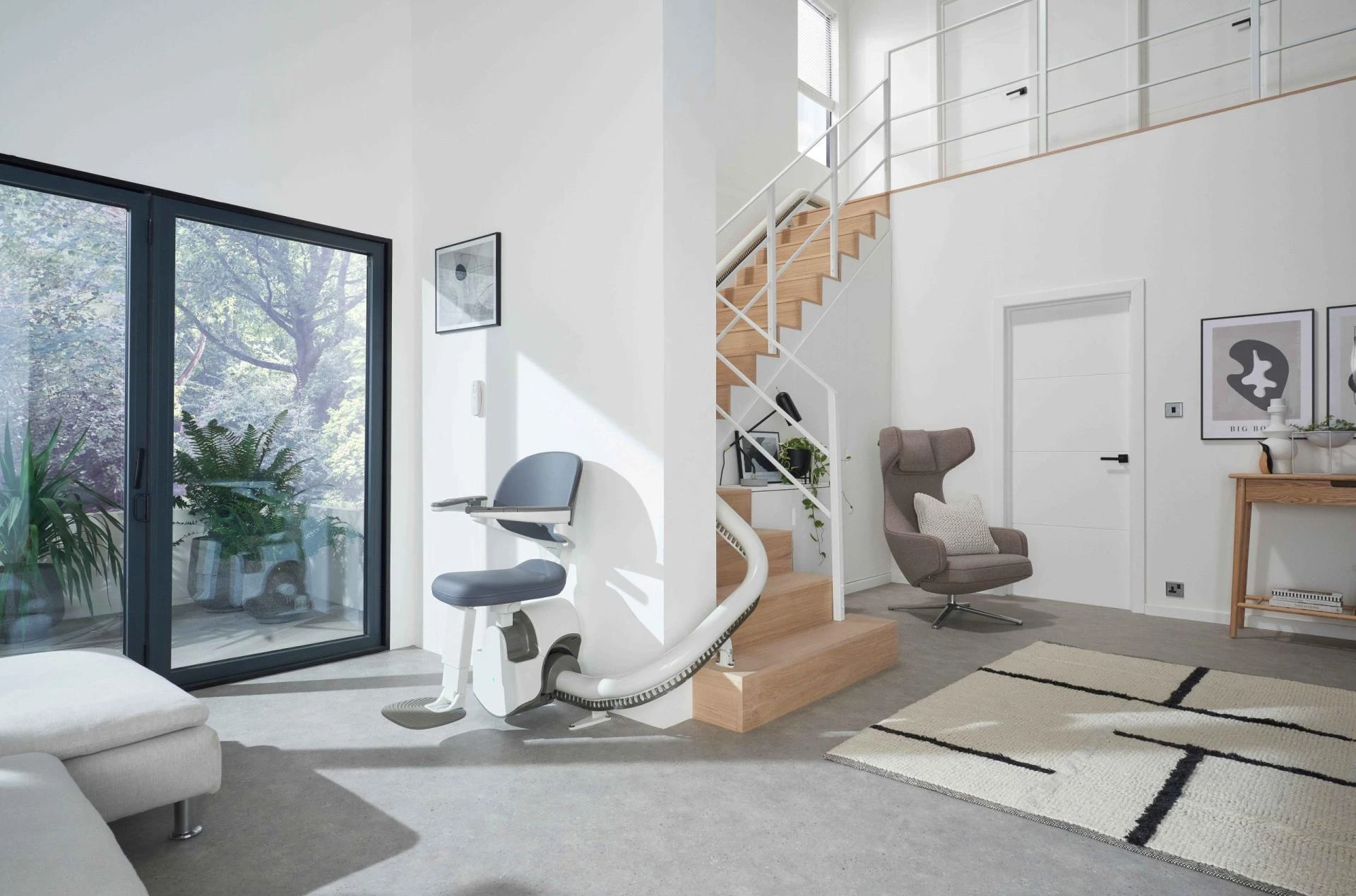

What Are Stairlifts?
Stairlifts, also known as stairway lifts, are mechanical devices designed to transport individuals up and down staircases who have difficulty using standard stairs. Generally consisting of a chair or sitting platform with a seat belt, stairlifts are powered by an electric motor that moves along a track installed inside or outside the stairway. Different models lift and lower either straight or along a curved track to accommodate different stairwell designs.
Indoor vs Outdoor Stairlifts
Stairlifts primarily come in two varieties - indoor and outdoor models. Indoor stairlifts are suited for use inside homes and have features optimized for interior environments like operation in tighter spaces or around corners. Outdoor stairlifts are designed to withstand weather elements and typically have enhanced safety features for exposed outdoor use up and down exterior staircases.
Operating Mechanisms
Most modern stairlifts operate using one of two main mechanisms - rail systems or hinge systems. Rail systems employ a wheeled carriage that glides along an overhead or floor-mounted rail or track installed at the stairs. Hinge systems make use of levers and links to maneuver the chair in sync with the staircase contour without requiring a rail. DC battery-powered electric motors provide the lifting and lowering operation.
Safety Features
Given the safety-sensitive application, stairlifts are equipped with various mechanisms to prevent accidents. Seat belts and safety sensors stop the lift if obstructed during transit. Emergency stops allow users to halt operation at any point. Fold-away arms and swivel seats facilitate easy embarking and disembarking. Dual rail and power systems ensure uninterrupted function even if one system fails. Alarms alert users to potential issues needing maintenance.
Customizable Options
Manufacturers offer a variety of customizable features to suit diverse needs. Battery types like sealed or removable allow different usage profiles. Remote controls and call/send options provide convenience. Heating and cooling features keep users comfortable year-round. Tilt and turn functions aid transfers. Adjustable seat heights optimize ergonomics. Material selections like wood or carbon fiber suit different aesthetic preferences. Anti-slip footrests enhance safety.
Installation Requirements
Stairlift installation requires assessing several aspects like stair dimensions, landings, structure design and ambient lighting conditions. Permits are often necessary for electrical and construction works. Professional evaluation ensures choosing the right stairlift model, rail type, battery size etc. Technicians perform testing and safety checks before final commissioning. Periodic servicing and repairs ensure continued safe functioning. Proper disposal methods follow when replacements become necessary.
Applications in Healthcare Settings
Beyond domestic use in homes, stairlifts also find widespread adoption in healthcare facilities to assist limited mobility patients, residents and staff to traverse staircases safely. Hospitals, nursing homes, rehab centers and assisted living communities regularly employ stairlifts of varied specifications in clinical areas and between floors to serve client mobility needs 24/7 without compromising workplace safety. Integrating suitable stairlift models aids facilities to conform to accessibility standards.
Advancements in Stairlift Technology
Modern innovations continuously work to make stairlifts more user-friendly and efficient. App-based remote controls offer enhanced flexibility. Sensors and artificial intelligence help navigate congested areas. Foldable designs facilitate portability and storage. Improved batteries deliver extended run times on single charges. Advances in materials and manufacturing render products lighter yet sturdier. Motion-activated sensors automatically deploy stairs for easy access. Upgrades in ergonomics and comfort make stairlift usage more amenable for all.
Benefits of InstallingStairlifts
By overcoming access barriers posed by staircases, stairlifts deliver tangible advantages to users by promoting independence, safety, comfort and convenience. Families cope better caring for aging loved ones who can stay in multi-level homes comfortably. Empty nesters remain socially engaged without relocating. Those recovering from injuries regain quicker mobility to return to routine tasks. Healthcare facilities optimize resources catering patients efficiently between floors. Overall, stairlifts empower an enhanced quality of life for people facing physical challenges negotiating stairs.
Conclusion
Stairlifts occupy an indispensable role in assisting the mobility impaired population access living spaces by safely transporting them up and down staircases. Constant innovations nurture more user-friendly, efficient and accommodative stairlift technology. When professionally installed and serviced, stairlifts present a viable solution enhancing independent living for those hindered by stairs in their daily environment.


Sign in to leave a comment.