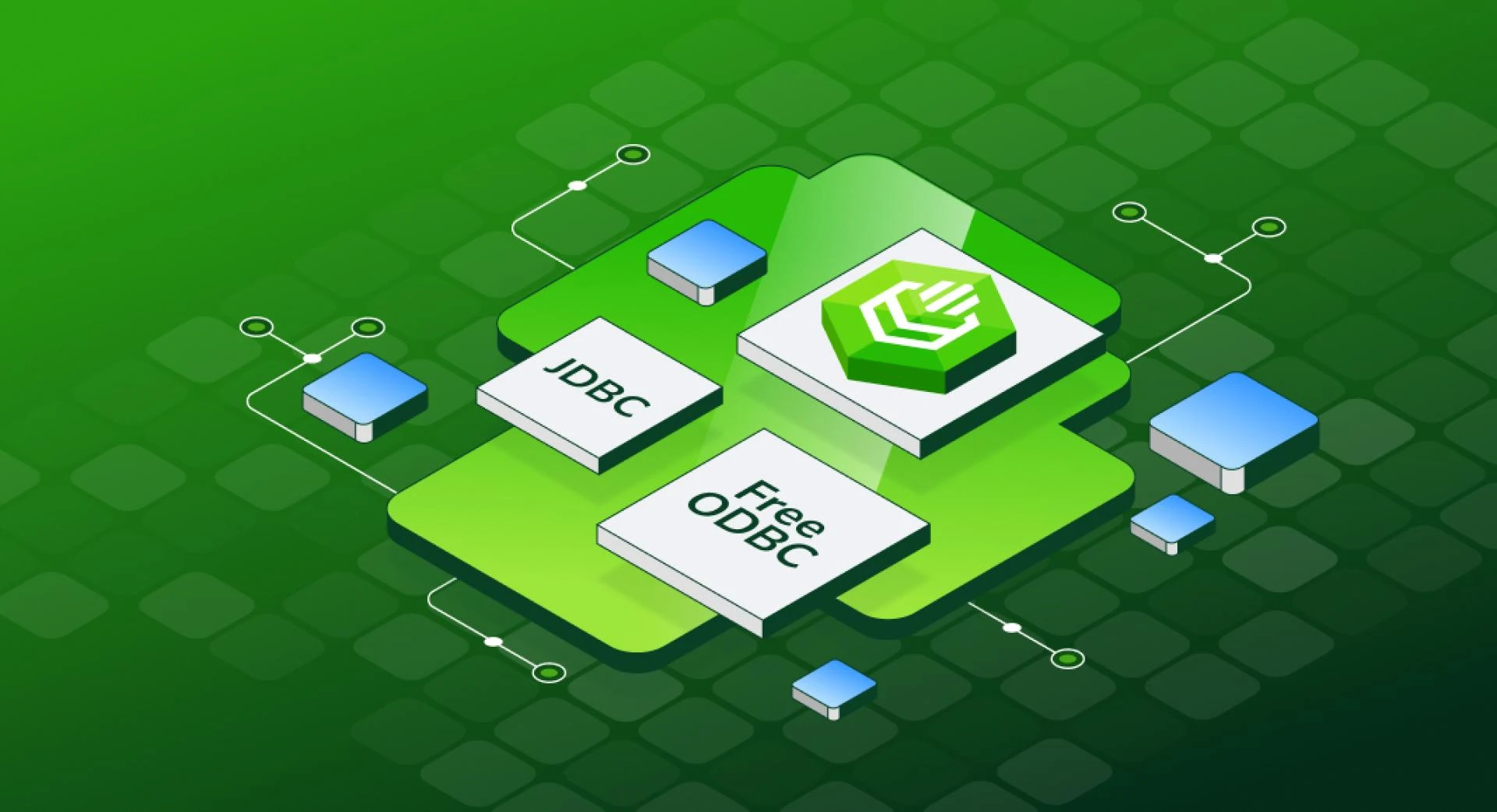

In the world of database connectivity, the mantra "if it connects, it works" is a dangerous oversimplification. For many developers and IT managers, the choice of a driver is an afterthought, often defaulting to free vendor-supplied ODBC drivers or standard JDBC options. However, as data volumes grow and system architectures become more complex, the hidden costs of "free" drivers - ranging from performance bottlenecks to security vulnerabilities - become impossible to ignore.
While JDBC remains a staple for Java-centric environments, and free ODBC drivers are common for quick prototyping, Devart ODBC drivers are engineered for mission-critical enterprise workloads. Understanding the distinction between these options is key to building a stable, high-performance data stack, learn more here: https://blog.devart.com/devart-vs-free-odbc-vs-jdbc.html
The Limitations of Free and Standard Drivers
Free vendor drivers are typically designed to provide basic connectivity. They often rely on external client libraries, adding layers of complexity to the deployment process. Under heavy concurrent load or during massive bulk data operations, these drivers frequently suffer from memory leaks, timeouts, and inconsistent throughput. Furthermore, they often lack the advanced configuration options required to tune performance for specific enterprise needs.
JDBC drivers, while powerful, are fundamentally restricted to the Java ecosystem. For organizations running a diverse stack—utilizing Python, C++, .NET, or BI tools like Power BI and Excel—JDBC requires additional wrappers or bridges, which can degrade performance and introduce new points of failure.
The Devart Advantage: Efficiency and Security
Devart ODBC drivers bridge the gap between universal compatibility and high-end performance. One of their most significant advantages is Direct Connection Mode. Unlike standard drivers that require the installation of heavy database client software, Devart’s solution communicates directly with the database server. This architecture simplifies deployment, especially in containerized environments like Docker, and significantly reduces latency.
Security is another area where Devart outperforms free alternatives. While basic drivers often support only standard authentication, Devart integrates enterprise-grade security features directly into the driver. This includes support for SSH tunneling, SSL encryption, and HTTPS proxies, ensuring that data remains protected even when moving across unsecured networks or zero-trust architectures.
Scalability and Maintenance
In an enterprise setting, downtime is measured in dollars. Free drivers are often updated infrequently and lack dedicated technical support, leaving teams to rely on community forums when issues arise. Devart provides regular updates to ensure compatibility with the latest database versions and operating systems, backed by professional technical support.
Moreover, Devart drivers are optimized for stability under pressure. They feature advanced connection pooling and batch fetch tuning, allowing them to handle thousands of concurrent queries without stalling. This makes them the ideal choice for Business Intelligence (BI) and ETL (Extract, Transform, Load) processes where data integrity and speed are non-negotiable.
Conclusion
While free ODBC and JDBC drivers may suffice for small-scale projects or learning environments, they often fail to meet the rigorous demands of the modern enterprise. By choosing Devart ODBC drivers, organizations gain a robust, secure, and high-performance gateway to their data. The investment in a professional driver pays for itself through reduced troubleshooting, faster reporting, and the peace of mind that comes with enterprise-grade reliability.




























Sign in to leave a comment.