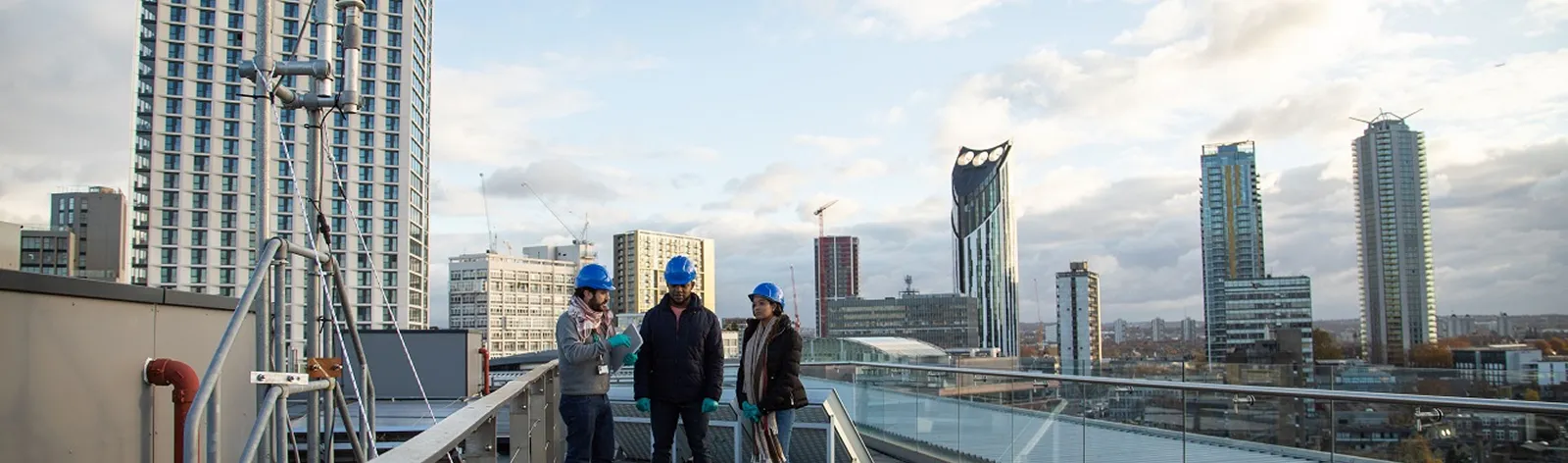

Most people rarely consider the journey of the water they use every day. It disappears down the drain, flows through a vast, invisible network of pipes, and is treated before returning to our waterways. This "out of sight, out of mind" convenience is actually the result of some of the most complex civil engineering work in the modern world. For our coastal communities, the importance of this infrastructure cannot be overstated. When we evaluate the stability of our aquifers and the health of our local estuaries, the conversation inevitably turns to the vital necessity of wastewater treatment plant engineering Long Island NY. This field is not just about moving fluids from one place to another; it is about preserving the delicate balance of an island ecosystem that is constantly under pressure from population density and environmental change.
As we navigate the demands of a growing population, the engineering required to treat wastewater is becoming increasingly sophisticated. We are moving away from simple filtration and into an era of advanced nutrient recovery and extreme environmental protection. The stakes are high: our groundwater is our sole source of drinking water, and our bays are the lifeblood of our local economy. Therefore, the engineering strategies employed today must be forward-thinking, resilient, and highly localized to handle the specific challenges of our regional geology.
The Evolving Standards of Compliance
The regulatory environment governing wastewater has never been more stringent, and for good reason. With the increase in contaminants of emerging concern—such as micro-plastics, pharmaceuticals, and concentrated nitrogen runoff—treatment plants must act as sophisticated chemical and biological laboratories.
To meet these modern challenges, engineering firms are prioritizing several key operational goals:
- Nutrient Reduction Protocols: Implementing advanced denitrification processes to prevent algal blooms that suffocate local marine life in the Great South Bay and Long Island Sound.
- Contaminant Capture: Designing tertiary treatment stages that utilize membrane bioreactors (MBRs) to filter out microscopic pollutants that traditional settling methods miss.
- Energy Efficiency: Integrating Variable Frequency Drives (VFDs) and high-efficiency aeration blowers to reduce the carbon footprint of massive treatment facilities.
- Compliance Automation: Developing real-time monitoring systems that automatically report effluent quality to state agencies, ensuring that every drop of discharged water meets or exceeds strict safety standards.
The Anatomy of Modern Treatment
At its core, a treatment plant is a living, breathing ecosystem. Engineers must cultivate biological colonies that consume organic waste, a process that requires a delicate, constant manipulation of oxygen, temperature, and pH levels. If the engineering design is flawed, the biological process fails, leading to environmental harm and significant regulatory fines.
The transition from raw sewage to clean, treated water involves several critical, engineered stages that require constant oversight and optimization:
- Preliminary Screening: Utilizing automated bar screens to remove debris, plastics, and non-biodegradable materials that could damage downstream mechanical components.
- Primary Sedimentation: The physics-heavy phase where gravity is used to separate heavy solids, or "sludge," from the liquid stream.
- Secondary Biological Treatment: The core of the facility, where bacteria break down dissolved organic matter. This requires precise air-diffuser placement to keep the bacteria alive and active.
- Advanced Polishing: The final stage, often involving UV light or ozone treatment, to ensure the water is safe for release back into the natural environment.
The Complexity of Regional Challenges
While the biological principles of wastewater treatment are universal, the application of these principles is highly regional. The broader landscape of wastewater treatment plant engineering New York requires a deep understanding of the unique state-level mandates and the challenges posed by aging subterranean infrastructure. Our state is not just building new plants in open spaces; we are often retrofitting century-old facilities in the middle of dense, highly populated neighborhoods.
This creates a "puzzle-box" scenario for engineers. When upgrading these legacy systems, the primary challenges often involve:
- Space Constraints: Working within existing property lines that were established decades ago, often requiring vertical expansion or highly compact treatment technologies.
- Material Decay: Addressing the inevitable corrosion of concrete and iron piping systems that have been in continuous, high-volume service for over 50 years.
- Operational Continuity: Designing a "bypass" or "phased construction" strategy so that the treatment plant does not stop working for a single day while major components are being gutted and replaced.
- Climate Adaptation: Accounting for sea-level rise and the increased frequency of storm surges, which requires elevating critical electrical systems and building resilient flood barriers around vulnerable assets.
Sustainability and the Circular Economy
The future of engineering is shifting from a "disposal" mindset to a "resource recovery" mindset. We are no longer designing plants that just get rid of waste; we are designing plants that produce energy and fertilizer. This is a critical pivot for the industry in New York, as municipalities look for ways to offset the rising costs of utility operations.
By integrating "Green Infrastructure" into the design of a treatment plant, we can turn a traditional expense into an asset:
- Biogas-to-Energy: Capturing the methane byproduct of the sludge digestion process and using it to generate electricity, which can then power the facility’s operations.
- Biosolids Conversion: Processing the solid waste into high-grade compost or fertilizer pellets that can be sold or donated for agricultural use, keeping waste out of landfills.
- Water Reuse Initiatives: Treating non-potable effluent to a level where it can be used for landscape irrigation or industrial cooling, saving the public drinking water supply for human consumption.
The Digital Frontier: Data-Driven Engineering
Perhaps the most significant change in the industry over the last decade is the rise of the "Digital Twin." Engineers now create a virtual, data-rich model of the physical treatment plant. This allows them to run simulations on how the plant will behave under extreme conditions, such as a 100-year storm event or a massive power grid failure.
This digital capability allows for:
- Predictive Maintenance: Sensors installed on pumps and motors can detect vibrations or heat signatures that signal a future failure, allowing for repairs before the equipment breaks down.
- Real-time Optimization: AI-driven software can analyze incoming flow rates and adjust the plant's chemical dosing or aeration in real-time to save energy during low-traffic periods.
- Remote Management: Operators can monitor and control the entire facility from a secure remote location, ensuring safety and efficiency 24/7.
Why Expert Partnership Matters
Choosing an engineering partner for these massive infrastructure projects is a high-stakes decision. The design of a wastewater treatment plant has a functional lifespan of 30 to 50 years. A mistake in the planning phase can manifest as a persistent operational headache for decades, costing taxpayers millions in repairs and increased energy consumption.
When evaluating a firm to lead these critical projects, look for the following:
- Proven Regulatory Experience: A firm that has a history of navigating the specific, complex permits required by New York state agencies.
- Multidisciplinary Talent: Access to civil, electrical, mechanical, and environmental engineers who can manage every aspect of the project under one umbrella.
- Community-First Approach: A design philosophy that prioritizes odor control, noise reduction, and aesthetic integration, ensuring the facility is a good neighbor to the community.
- Lifecycle Costing: A commitment to evaluating not just the initial construction cost, but the 30-year operational cost of the equipment and systems chosen.









Sign in to leave a comment.