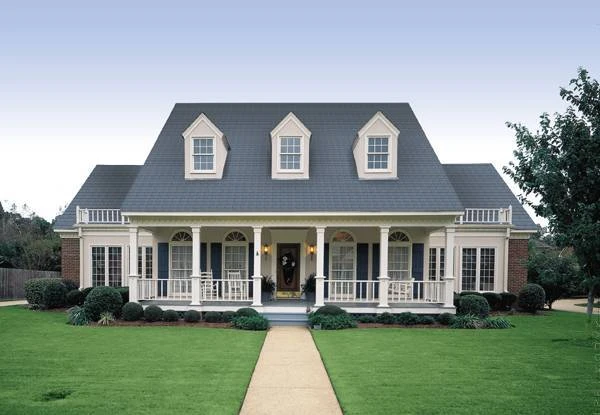

Design isn’t just about appearances; it’s about function. A beautiful home that doesn’t make everyday life easier quickly loses its charm. And when it comes to two story home plans, that idea couldn’t be more true.
A beautiful staircase might catch the eye, but what really makes a home functional is how space flows from one level to the next. Smart planning is about more than fitting rooms together; it’s about creating balance, privacy, and comfort that fit the way people actually live.
Let’s take a closer look at how thoughtful design turns two-story homes into spaces that feel effortless and connected.
1. Separation That Makes Sense
One of the biggest advantages of two-story home plans is the natural separation they offer. The main level can be designed for gathering, with open kitchens, living rooms, and dining areas. The upper floor serves as a quiet retreat.
Families love this layout because it keeps the noise and activity downstairs while bedrooms remain peaceful upstairs. It’s functional zoning at its best. Keeping everyone close, but giving each area its own purpose.
2. Staircases That Do More
In a two-story home, stairs aren’t just for moving between floors — they’re part of the design story. Depending on the style, they can be tucked along a hallway or placed front and center as a dramatic focal point.
Modern plans often use staircases to define open spaces without using walls. Floating steps, natural wood finishes, or glass railings add character while keeping the flow open. Every detail counts when the goal is to make both levels feel connected yet distinct.
3. Open Layouts That Keep Things Light
One of the most appealing parts of modern two-story design is how open layouts create a sense of space and airiness. Think large windows, double-height ceilings, and minimal partitions. This approach makes smaller homes feel larger and keeps natural light flowing through both floors.
A well-planned layout also means fewer dark corners and more flexible spaces. Rooms can easily shift in purpose; a guest room today could be a home office tomorrow, without losing harmony in design.
4. Functional Flow From Room to Room
A well-designed home is one where you never feel lost or cramped. The flow between rooms plays a big role in that. For example, placing a laundry room near bedrooms saves endless trips up and down the stairs. Or connecting the kitchen to the garage through a mudroom adds daily convenience.
Smart space planning is about anticipating how people move, not just where furniture fits. Every doorway, hallway, and stair landing contributes to the rhythm of daily life.
5. Making Every Inch Count
Two-story homes are all about efficiency, and that includes how small spaces are used. Under-stair storage, built-in shelving, and upstairs nooks for reading or homework make a huge difference. Even a small landing can become a cozy corner with the right lighting and layout.
It’s these thoughtful touches that turn a blueprint into a home. Every square foot serves a purpose, without feeling forced or overcrowded.
6. Ideal for Scenic or Second Homes
Smart design isn’t limited to primary residences. Many vacation home plans follow two-story layouts because they make the most of scenic views and compact lots. Bedrooms upstairs offer privacy and perspective, while open living areas downstairs connect directly to outdoor spaces like patios or decks.
It’s a practical and beautiful way to enjoy the view. Especially in homes designed near lakes, mountains, or coastal areas.
Why Smart Planning Matters
At the end of the day, great home design is about balance. A two-story home gives room to grow, but it’s the planning that makes it livable. When every level has a purpose and every space flows naturally, the home simply works better.
The best designs aren’t always the biggest or boldest; they’re the ones that feel right the moment you walk in. That’s the real power of smart space planning.



























Sign in to leave a comment.