
Introduction to Acne
Are pesky pimples and stubborn breakouts putting a damper on your day? Acne, the bane of many skincare routines, can be a frustrating and confidence-zapping issue for people of all ages. But fear not! In this comprehensive guide, we\'re diving deep into the world of acne to help you understand its causes, types, symptoms, and most importantly, how to effectively treat and manage it, with insights from a trusted skin specialist in Ludhiana. Say goodbye to those unwelcome visitors on your skin as we explore everything from natural remedies to lifestyle changes that can make a real difference in your battle against acne. Let\'s get ready to uncover the secrets to clearer, healthier skin together!
What Causes Acne?
Acne can be a pesky and persistent skin condition that many of us have dealt with at some point in our lives. But have you ever wondered what actually causes those frustrating breakouts? Well, let\'s dive into the nitty-gritty of it.
One major culprit behind acne is excess oil production by the sebaceous glands in your skin. When this oil mixes with dead skin cells and clogs your pores, it creates the perfect breeding ground for acne-causing bacteria to thrive.
Hormonal fluctuations, especially during puberty or menstruation, can also play a significant role in triggering acne flare-ups. These hormonal changes can stimulate the sebaceous glands to produce more oil, leading to blocked pores and inflammation on the skin.
Other factors like genetics, certain medications, dietary choices high in sugars and dairy products, as well as stress levels can all contribute to the development of acne. It\'s essential to understand these underlying causes to effectively address and manage your acne concerns.
Different Types of Acne and Their Symptoms
Acne is not a one-size-fits-all skin concern. There are various types of acne, each with its own set of symptoms and characteristics.
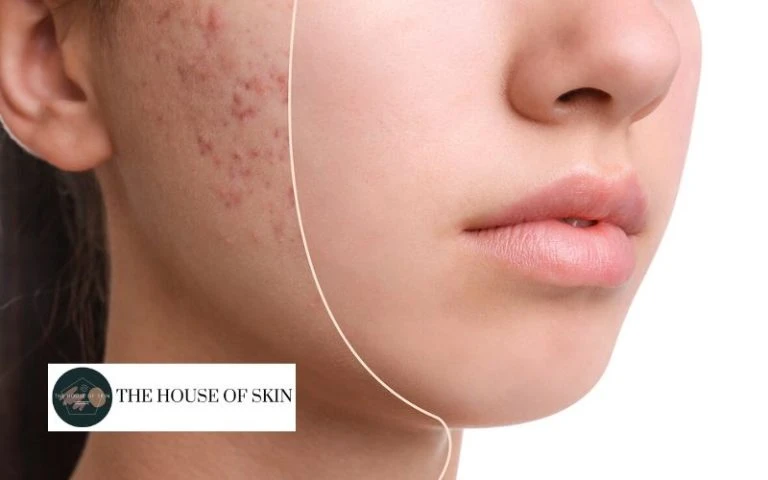
First up, we have blackheads and whiteheads, known as comedones. These non-inflammatory types form when hair follicles get clogged with oil and dead skin cells.
Next, papules are small red bumps that signal inflammation in the pores. Then there are pustules - those pesky pimples filled with pus that can be painful to touch.
Moving on to nodules, these large, solid pimples lie deep within the skin and can be quite tender. Cysts are even bigger and more severe than nodules; they\'re filled with pus and require professional treatment.
Understanding the type of acne you’re dealing with is crucial for effective treatment. Consult a dermatologist like Dr. Parwaaz Matharoo at House Of Skin in Ludhiana for personalized advice tailored to your specific needs.
Factors That Can Worsen Acne
When it comes to acne, certain factors can exacerbate the condition and make those pesky breakouts even worse. One major culprit is stress – high levels of stress can trigger hormonal changes that lead to increased oil production in the skin, ultimately clogging pores and causing more pimples to pop up.
Another common factor that worsens acne is poor dietary choices. Foods high in sugar and refined carbohydrates can spike blood sugar levels, leading to inflammation in the body which can manifest as acne on the skin. Additionally, dairy products have been known to aggravate acne for some individuals due to their hormone content.
Not properly cleansing your skin or using harsh skincare products can also contribute to worsening acne. When pores are not kept clean, they become more susceptible to becoming blocked with dirt, oil, and dead skin cells – a recipe for breakouts. Similarly, using abrasive exfoliants or drying agents can strip the skin of its natural oils, prompting it to produce even more sebum in response.
Understanding Your Skin Type and Its Role in Treating Acne
Understanding your skin type is crucial when it comes to treating acne effectively. Different skin types react differently to various products and treatments, so knowing yours can make a significant difference in managing breakouts.
Oily skin tends to be more prone to acne due to excess sebum production, while dry skin may experience acne as a result of dehydration leading to increased oil production. Combination skin can present challenges with both oily and dry areas on the face.
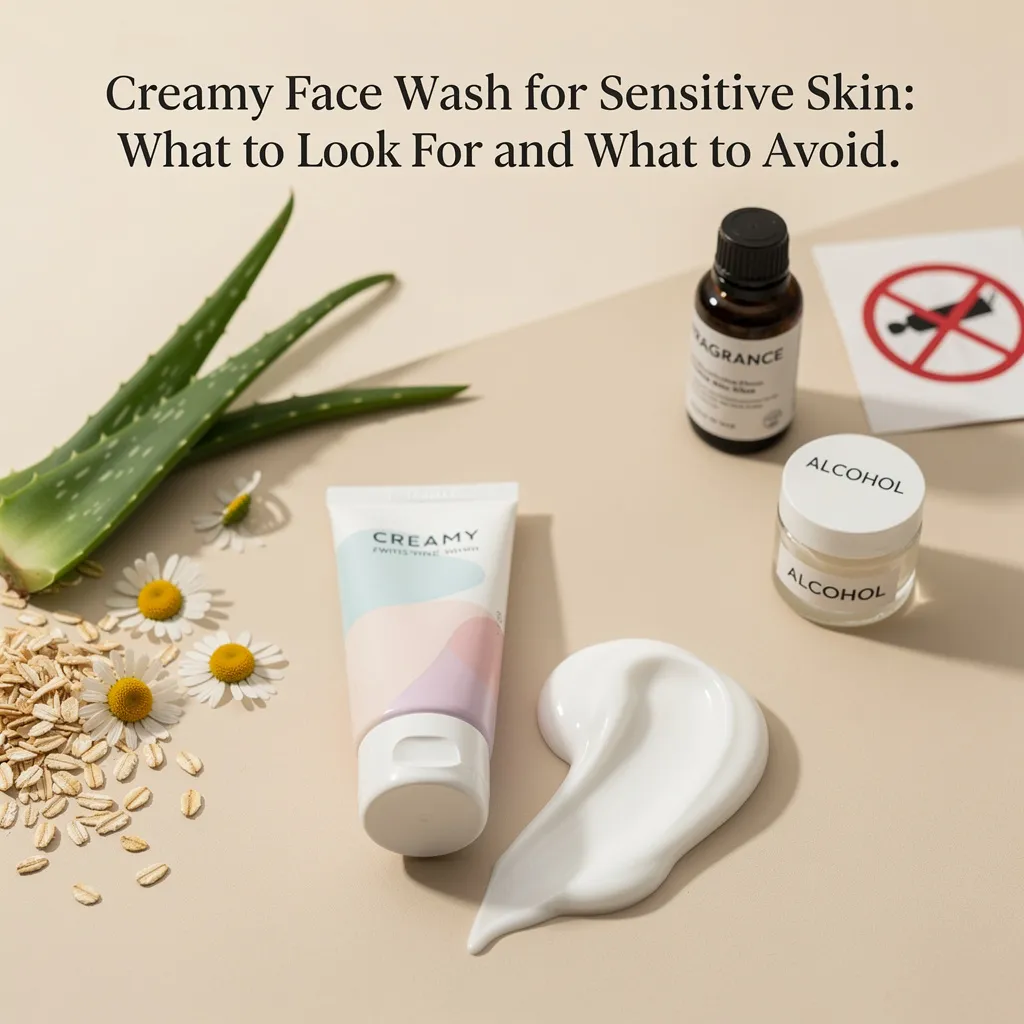
Sensitive skin requires gentle care as harsh ingredients can exacerbate acne symptoms, whereas normal skin typically responds well to a variety of treatments. By identifying your specific skin type, you can tailor your skincare routine accordingly for better results in combating acne.
The Importance of a Skincare Routine for Managing Acne
Maintaining a consistent skincare routine is crucial for managing acne effectively. Washing your face twice daily with a gentle cleanser helps to remove dirt, oil, and impurities that can clog pores and lead to breakouts.
Using non-comedogenic products ensures that your skincare doesn\'t further aggravate existing acne or cause new flare-ups. Incorporating exfoliation into your routine 1-2 times a week can help unclog pores and prevent blemishes.
Hydrating your skin with an oil-free moisturizer is key to maintaining a healthy skin barrier while avoiding excess oil production. Don\'t forget the sunscreen – protecting your skin from UV damage is essential in preventing post-inflammatory hyperpigmentation.
Consistency is key when it comes to skincare routines - give it time to see results! Remember, patience and persistence pay off when striving for clear, acne-free skin.
Natural Remedies for Clearing Up Acne
Dealing with acne can be frustrating and challenging, but there are natural remedies that can help clear up your skin. One effective remedy is tea tree oil, known for its antibacterial properties that can combat acne-causing bacteria. Simply dilute a few drops in water and apply it to affected areas.
Another natural remedy is honey, which has both antimicrobial and soothing qualities. Applying raw honey as a mask or spot treatment can help reduce inflammation and promote healing of acne lesions. Additionally, using aloe vera gel straight from the plant can soothe irritated skin and reduce redness associated with acne.
Incorporating green tea into your skincare routine can also be beneficial due to its antioxidant and anti-inflammatory properties. Drinking green tea or applying it topically may help improve overall skin health and reduce acne symptoms naturally. Remember to test these remedies on a small patch of skin first to ensure compatibility with your skin type before full application.
Lifestyle Changes to Help Improve
Incorporating these lifestyle changes in combination with a skincare routine and natural remedies can significantly improve your acne. Remember, consistency is key when it comes to managing and treating acne. By understanding the causes of acne, identifying your skin type, and making positive changes to your habits and daily routine, you can take control of your skin health.
Dr. Parwaaz Matharoo at House Of Skin in Ludhiana offers advanced treatments like microneedling that can complement your skincare regimen for clearer skin. Consult with a trusted dermatologist like Dr. Matharoo to create a personalized plan tailored to your specific needs.
Take charge of your skin today by implementing these strategies for healthier, clearer skin!











Sign in to leave a comment.