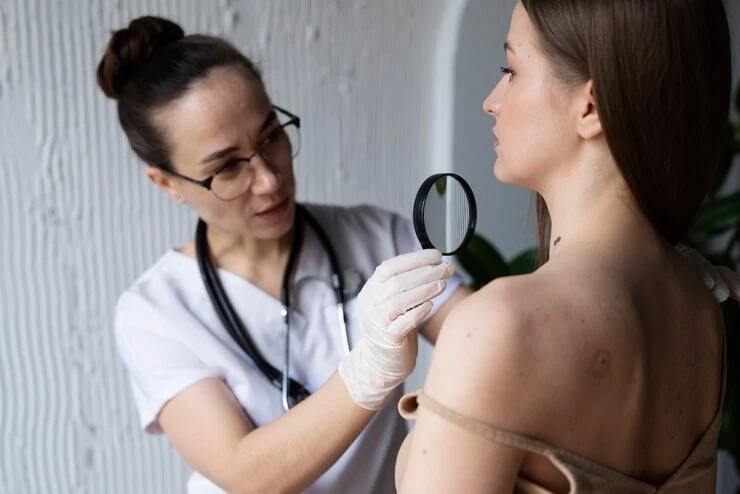

Papillomas, common benign growths on the skin, can be a source of concern for many individuals. If you find yourself wanting to bid farewell to papillomas, understanding the removal process is key. In this article, we'll explore the role of a dermatologist, the techniques used in papilloma removal, and the importance of seeking assistance from a medical center for a comprehensive approach.
Navigating Papillomas with a Dermatologist
Dealing with papillomas requires the expertise of a dermatologist, a skin doctor specializing in the diagnosis and treatment of various skin conditions.
1. What are Papillomas?
Papillomas are non-cancerous, often harmless growths on the skin caused by the human papillomavirus (HPV). They can appear on various parts of the body, including the face, neck, armpits, and groin.
2. The Role of a Dermatologist
A dermatologist plays a crucial role in managing papillomas:
- Diagnosis: Confirm the nature of the growth through visual examination and, if necessary, biopsy.
- Treatment Planning: Devising a personalized treatment plan based on the size, location, and patient's preferences.
- Removal Techniques: Utilizing various techniques for safe and effective papilloma removal.
Techniques for Papilloma Removal
Dermatologists employ several techniques for papilloma removal, each tailored to the specific characteristics of the growth.
1. Excision
Excision involves cutting out the papilloma using surgical instruments. This method is effective for larger or more deeply rooted growths. Local anesthesia is typically administered to ensure a pain-free procedure.
2. Cryotherapy
Cryotherapy involves freezing the papilloma using liquid nitrogen. The frozen growth eventually falls off as the skin heals. This method is suitable for smaller papillomas and is relatively quick.
3. Electrocautery
Electrocautery utilizes an electrical current to burn off the papillom. This technique is efficient for removing both small and larger growths. Local anesthesia may be applied for comfort during the procedure.
4. Laser Therapy
Laser therapy employs focused light to target and vaporize the papilloma. This precise method is often used for facial papillomas, minimizing damage to surrounding skin.
The Importance of Seeking Medical Center Assistance
While dermatologists can address individual cases, seeking assistance from a medical center offers a comprehensive approach to papilloma removal and overall skin health.
1. Comprehensive Evaluation
Medical centers provide a thorough evaluation of skin conditions, ensuring accurate diagnosis and identification of any underlying issues.
2. Coordination of Care
For individuals with multiple skin concerns or complex medical histories, a medical center can coordinate care across different specialties, ensuring a holistic approach to skin health.
3. Ongoing Monitoring
Medical centers offer ongoing monitoring and follow-up care, tracking the progress of papilloma removal and addressing any potential complications.
Aftercare and Skin Health Maintenance
After papilloma removal, proper aftercare is essential for optimal healing and skin health.
1. Follow Dermatologist's Instructions
Adhering to post-removal care instructions provided by the dermatologist is crucial. This may include keeping the area clean, avoiding sun exposure, and using recommended topical treatments.
2. Regular Skin Checks
Continue regular skin checks to monitor for any new growths or changes in existing ones. Promptly consult with a dermatologist if you notice anything unusual.
Embracing Healthy Skin
Bid farewell to papillomas with the guidance of a dermatologist and the support of a medical center. Understanding the removal process, choosing an appropriate technique, and prioritizing ongoing skin health are vital steps toward embracing healthy skin. If you're considering papilloma removal, consult with a dermatologist and, if needed, seek assistance from a medical center for comprehensive and coordinated care. Your skin's health and well-being are worth the investment in professional expertise.











Sign in to leave a comment.