
Do you remember the viral posts where Zepto charged users twice or thrice the amount it charged others on different phones, with different order numbers and order histories? Many have noticed this trend in other apps to varying degrees as well. Whether it is the price of a dish or the same item being significantly higher or lower, it is not in your control, thus having to switch between different apps, whether it is between Swiggy and Zomato or apps like Swiggy Instamart, Zepto and Blinkit to check and order the same thing.
While going and ordering food is much cheaper, for many users, including me, ordering meals online through a food delivery app has become part of their routine. If you are someone like me, you dislike having too many apps on your phone, and switching to see the lower price for the same item has been annoying. This is why, while India’s food delivery ecosystem has grown rapidly over the past few years, driven by convenience, digital adoption, and changing consumer habits, I have decided to look for a different app that is less fickle than these ones.
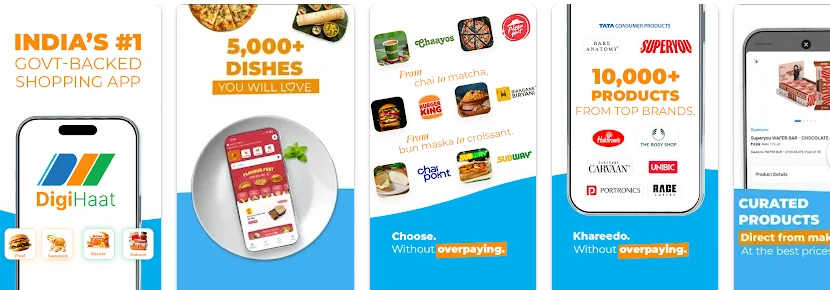
From an independent perspective, it is clear that while large platforms dominate the market, newer models such as Digihaat are introducing a more balanced approach. By focusing on fair pricing and direct connections, Digihaat is emerging as a compelling alternative in the app for food delivery space.
What Are the Hidden Costs Behind Most Food Delivery Apps?
A key concern with many established food delivery platforms is the lack of pricing transparency. While discounts and promotional offers attract users, the final bill often includes multiple additional charges.
These typically include platform fees, delivery charges, packaging costs, and surge pricing during peak hours. Even subscription models do not eliminate all of these expenses. Over time, these charges can significantly increase the cost of an online meal order.
Another important factor is menu price inflation. Restaurants often raise their listed prices on these platforms to compensate for commissions and marketing costs. As a result, customers end up paying more than the food's actual price.
This layered pricing structure can reduce overall value to consumers, especially for frequent users.
How Does Digihaat Offer a More Transparent Pricing Model?
Digihaat operates on a fundamentally different framework. Built on the ONDC network, it enables a more open and decentralised approach to digital commerce. This allows buyers and sellers to connect directly, reducing the reliance on high commission structures.
In practical terms, this leads to more transparent pricing. Since sellers are not burdened with excessive platform charges, they can offer products closer to their actual prices. For customers, this reduces the likelihood of inflated menu rates and unexpected fees.
The checkout experience is also simpler, with fewer hidden charges. This clarity helps users better understand what they are paying for, improving trust and long-term engagement.
How Does Digihaat Compare on Value for Money?
When comparing Digihaat with traditional food order apps, one of the most noticeable differences is the overall cost of ordering.
On most platforms, a meal priced at ₹300 can easily reach ₹380 or more once additional charges are included. On Digihaat, the final price tends to remain closer to the original cost, thanks to lower commissions and minimal add-ons.
For regular users, this difference becomes significant over time. Lower per-order costs translate into meaningful monthly savings without compromising on convenience.
From a value perspective, Digihaat offers a more cost-efficient solution, particularly for price-conscious consumers.
How Does Digihaat Support Local Restaurants and Sellers?
Another area where Digihaat stands out is its impact on local businesses. Traditional platforms often favour larger restaurant chains that can invest heavily in advertising and visibility.
In contrast, Digihaat’s open network model provides equal opportunity for smaller restaurants, local eateries, and independent sellers. Reducing commission pressures, it allows these businesses to operate more sustainably.
This not only benefits sellers but also enhances consumer choice. Users gain access to a wider range of local cuisines and products that may not be prominently featured on larger platforms.
Additionally, Digihaat enables direct sourcing from farmers and local vendors for groceries and essentials, further strengthening local supply chains.
What Additional Benefits Does Digihaat Offer Beyond Food Delivery?
While Digihaat functions effectively as an app for food delivery, its scope extends beyond meals. It integrates multiple services into a single platform, including grocery delivery, everyday shopping, and ride booking.
This multi-service approach provides added convenience for users who prefer to manage their daily needs through a single application. It also reduces the need to switch between multiple apps for different services.
From a user experience perspective, features such as real-time tracking, secure payments, and a streamlined checkout process contribute to a reliable and efficient platform.
This broader functionality positions Digihaat as more than just a food order app, but as a comprehensive digital commerce solution.
Why Are Consumers Exploring Alternatives to Big Food Apps?
As awareness increases, Indian consumers are becoming more selective about where they spend. Factors such as hidden charges, rising delivery costs, and limited transparency are prompting users to explore alternatives.
There is also a growing preference for platforms that support local businesses and promote fair trade practices. Consumers are increasingly interested in knowing that their spending contributes positively to the ecosystem.
Digihaat aligns well with these expectations. Its focus on transparency, local empowerment, and cost efficiency addresses many of the concerns associated with traditional platforms.
Which Platform Makes More Sense for Today’s Indian Consumer?
From an independent standpoint, the choice ultimately depends on priorities. Large food delivery apps offer scale, brand familiarity, and extensive restaurant networks. However, they often come with higher costs and less transparent pricing.
Digihaat, on the other hand, offers a more balanced model. Leveraging the ONDC network, it reduces intermediaries, promotes fair pricing, and supports local businesses. It also combines multiple services into a single platform, enhancing overall convenience.
For consumers who value affordability, transparency, and local impact, Digihaat presents a strong alternative.
Conclusion
India’s food delivery landscape is evolving beyond convenience. Today’s users are looking for platforms that offer genuine value, transparent pricing, and meaningful benefits.
While traditional food order apps continue to dominate, newer models like Digihaat are challenging the status quo by prioritising fairness and efficiency. By reducing hidden costs, supporting local sellers, and offering an integrated platform, Digihaat delivers tangible advantages for both consumers and businesses.
For those seeking a smarter and more cost-effective way to manage their online meal orders and daily needs, Digihaat is worth serious consideration.










Sign in to leave a comment.