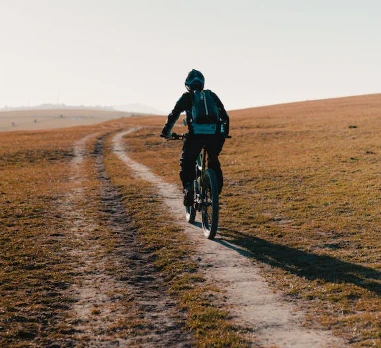

As winter casts its magical spell, bikepacking enthusiasts can embrace the snowy landscapes for a truly unique adventure. Bikepacking in the snow adds a thrilling dimension to your journey, but it requires careful planning to ensure a safe and enjoyable experience.
Here's your guide to planning a winter bikepacking adventure that allows you to explore the serene beauty of snow-covered trails.
1. Choose the Right Location
Selecting the right destination is crucial for a successful winter bikepacking trip. Look for trails that are open during the winter, have maintained paths, and offer the level of challenge you desire. National parks, winter-friendly campgrounds, and snow-covered landscapes await your exploration.
Check these - Top Winter Biking Destinations
2. Choose the Appropriate Gear
Winter bikepacking requires specialized gear to keep you warm and comfortable. Invest in insulated and waterproof clothing, including gloves, boots, and a winter-rated sleeping bag. Equip your bike with fat tires for better traction in the snow, and consider adding fenders to minimize snow spray.
3. Pack Efficiently
Packing efficiently is crucial for winter bikepacking, as you'll need to carry extra gear for cold conditions. Pack layers to stay warm and ensure your clothing is moisture-wicking to prevent sweat buildup. Don't forget essentials like a repair kit, a multi-tool, and a first aid kit. Consider bringing lightweight snowshoes for exploring off-bike.
4. Check Bike Compatibility
Ensure your bike is winter-ready by checking its compatibility with snowy conditions. Fat bikes, designed for off-road riding in snow and sand, are ideal for winter bikepacking. Make sure your bike is in good condition, and consider adding studs to the tires for improved traction on icy surfaces.
Know these - Tips for Winter Bicycling With Fat Tire Bicycles
5. Hydration and Nutrition
Staying hydrated and well-nourished is crucial in cold weather. Carry an insulated water bottle to prevent freezing, and pack high-energy, easy-to-consume snacks. Warm beverages in a thermos can provide a comforting break during your winter bikepacking journey.
6. Plan for Camping Challenges
Camping in the snow comes with its challenges. Look for designated winter campsites and be prepared for colder nights. Choose a four-season tent with a snow skirt to prevent drafts, and bring a sleeping pad with a high R-value for insulation from the cold ground.
7. Emergency Preparedness
Winter conditions can be unpredictable, so be prepared for emergencies. Carry a reliable navigation tool, a fully charged communication device, and let someone know your planned route and estimated return time. Familiarize yourself with the signs of hypothermia and frostbite and know how to respond in case of emergencies.
Know these - Winter Biking Safety Tips To Navigate Icy Roads
8. Enjoy the Experience
Lastly, savor the unique experience of winter bikepacking. Embrace the silence of snow-covered landscapes, marvel at the serene beauty, and relish the sense of adventure that winter brings. Capture the moments, take breaks to appreciate the surroundings, and make memories that will last a lifetime.
Embarking on a winter bikepacking adventure is a thrilling way to connect with nature and experience the beauty of snowy landscapes. With careful planning, the right gear, and a sense of adventure, your winter bikepacking journey can be a magical and rewarding experience. So, gear up, plan your route, and let the winter bikepacking adventure begin!


























Sign in to leave a comment.