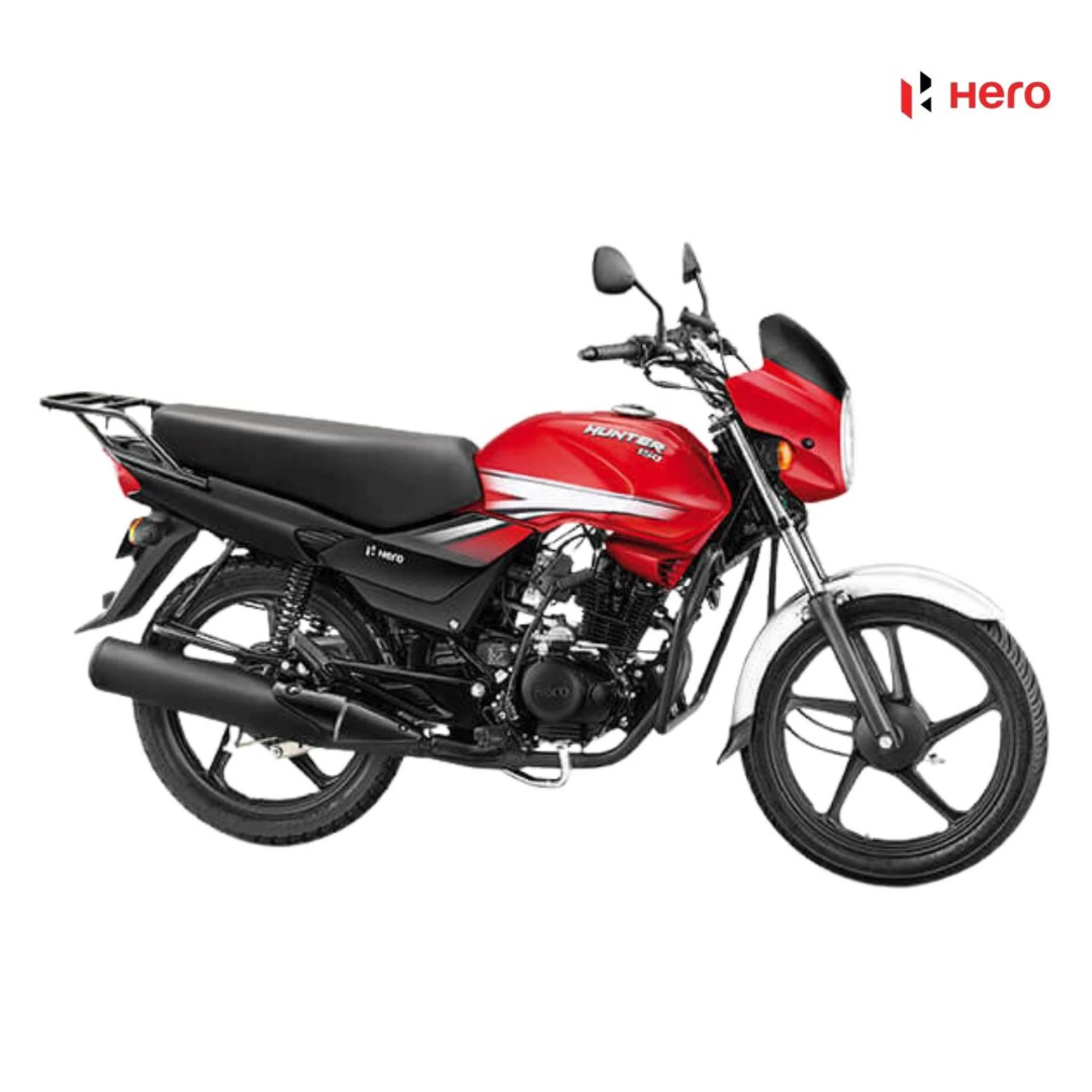

The Kenyan roads thrum with the steady hum of boda bodas, motorcycles weaving through traffic and carrying the nation's pulse. But with freedom comes responsibility, and for bikers in this vibrant East African country, understanding proper motorbiking etiquette is essential. It's not just about navigating chaotic streets on bikes like the Hero Hunter 100 but about building a safe environment and embodying the spirit of "Harambee" - working together for the common good.
Let’s get into the details of the etiquette Kenyan bike riders should follow to ensure a safe and respectful riding culture for everyone.
Why Etiquette Matters
Motorbiking is a way of life for many in Kenya. If you’re in the market for a new motorcycle, understanding etiquette helps you avoid fines but also helps you show respect for fellow road users, pedestrians, and the unique culture of Kenyan riding. It's about ensuring a smooth flow of traffic and, most importantly, safety for everyone.
Delving into the Kenyan Motorbiking Scene
Kenya boasts a diverse motorbiking community, from seasoned adventurers on long-distance tours to everyday commuters zipping through bustling cities. The popularity of motorbikes stems from their affordability, efficiency, and ability to navigate challenging terrain. Understanding this context is crucial for appreciating the specific nuances of Kenyan motorbiking etiquette.
Universal Rules on the Road
Certain etiquette rules transcend borders, whether you are on your Hunter bike or any other:
Obey traffic laws: Stop signs, speed limits, and road markings apply to everyone, including bikers.Signal intentions: Communicate clearly with other road users through turn signals and hand gestures.Practice defensive riding: Anticipate potential hazards and ride cautiously, assuming others might not see you.Share the road: Be mindful of pedestrians, cyclists, and other vehicles, respecting their right to space.
However, Kenya has its own set of unwritten rules.
Respect the "bodas": These motorcycle taxis play a vital role in Kenyan transportation, with the most popular choice being the Hunter 100. Be patient and understanding of their manoeuvring, and share the road safely.
Mind the dust: Unpaved roads and dry seasons create dust clouds. Slow down and increase the following distance to avoid blinding other drivers.
Beware of livestock: Herds of goats and cattle occasionally wander onto roads. Stay alert and adjust your speed accordingly.
Respectful Riding in Action
Showing respect goes beyond following the rules. It's also about using your horn sparingly, only in critical situations and avoiding unnecessary honking. Additionally, pedestrians always have the right of way. Be patient and allow them to cross safely.
If you see any fellow bikers in need of help or you see someone stranded, offer assistance if possible.
Responsible Riding for a Safer Tomorrow
To be a responsible rider on a new motorcycle or an old one, you can follow the tips below:
Maintaining your bike: Ensure your motorcycle is in good working order for your own safety and others.Avoiding overloading: Don't carry more passengers or cargo than your bike is designed for.Never riding under the influence: Alcohol and drugs significantly impair your judgment and reaction time.Protecting yourself: Wear a helmet and appropriate protective gear at all times.
Etiquette for a Safer Kenya
Adhering to motorcycling etiquette yields numerous benefits for everyone involved. Firstly, it leads to a decrease in accidents, thereby reducing both human suffering and economic losses. Additionally, the courteous and predictable riding behaviour among riders contributes to a smoother flow of traffic, creating a more efficient and enjoyable experience for all road users.
Moreover, responsible motorcyclists, like Boda riders on their Hunter bikes, play a crucial role in shaping a positive perception of their community by dispelling negative stereotypes and ultimately earning respect from their fellow road users. In essence, embracing proper motorcycling behaviour not only enhances safety but also fosters a harmonious and respectful coexistence on the roads.
Final Thoughts
Whether you're a seasoned Kenyan rider or a visitor exploring the country on two wheels, understanding and adhering to motorbiking etiquette is essential. Following proper rules for driving ensures safety on Kenyan roads for you and everyone else.
It doesn’t matter if the terrain is smooth or rough, following proper etiquette on the road will ultimately benefit everyone who wants to reach their destination seamlessly. And if you’re riding the Hero Hunter 100, more than one person will complete their journey worry-free.










Sign in to leave a comment.