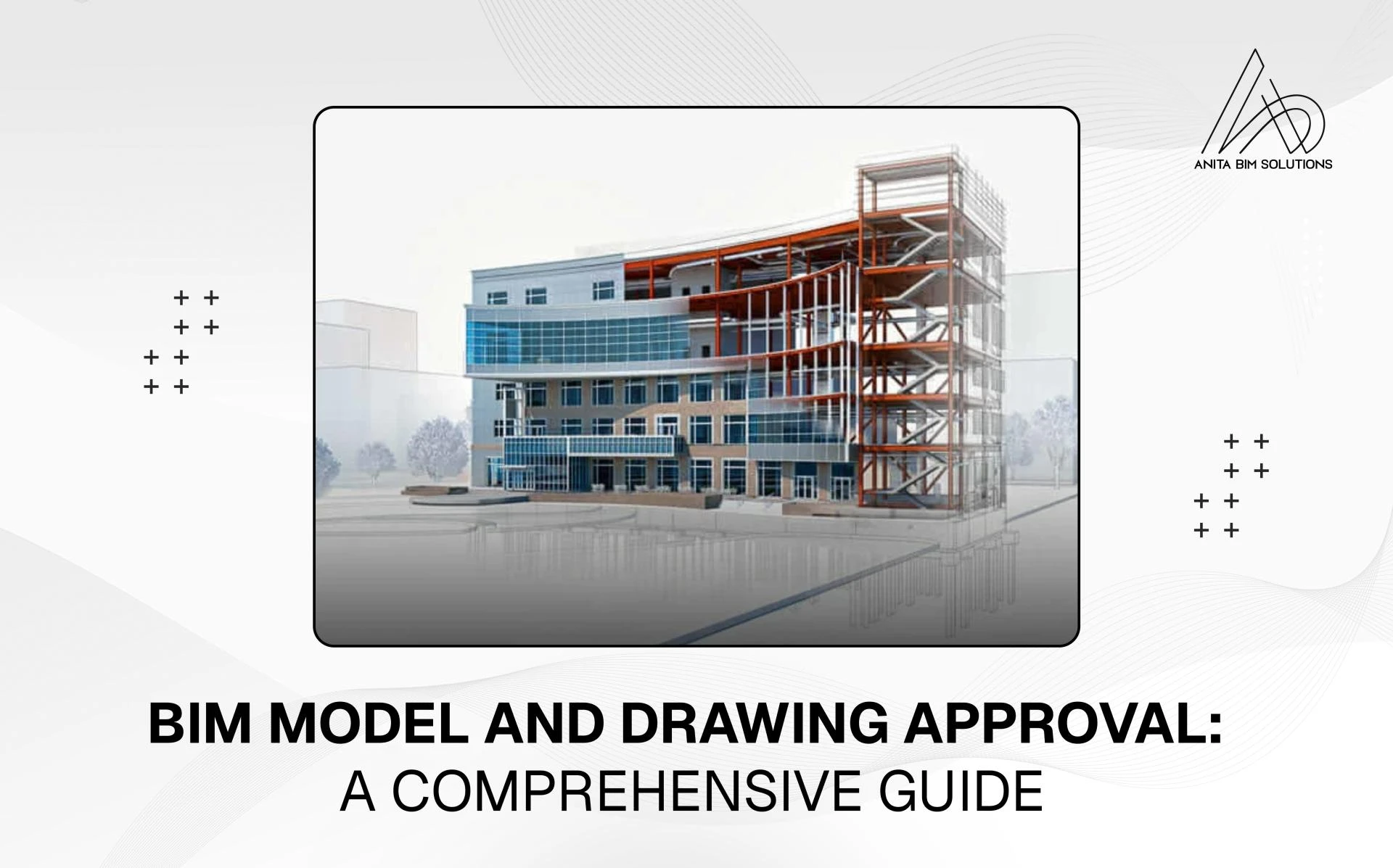

Building Information Modeling (BIM) has transformed the Architecture, Engineering, and Construction (AEC) industry by streamlining workflows and improving collaboration. A key element of BIM workflows is the model and drawing approval process. Whether you’re a student or a professional, mastering this process can significantly boost your career opportunities.
The BIM model and drawing approval process involves reviewing and validating digital models and drawings of a building before starting construction.
What Is the BIM Model and Drawing Approval?
BIM model and drawing approval is the structured process of reviewing and validating digital 3D models and 2D drawings of a building before construction commences. This ensures the designs meet project specifications, industry standards, and legal codes. Collaboration among Architects, Engineers, Contractors, and clients plays a vital role in this process, reducing errors, mitigating costly rework, and streamlining the construction timeline.
Key Steps in the BIM Model and Drawing Approval Process
1. Initial Model Creation
- Designers and modelers create a detailed BIM model that includes Architectural, Structural, and MEP (Mechanical, Electrical, Plumbing) elements.
- The model integrates data on dimensions, materials, and schedules to provide a holistic view of the project.
2. Internal Quality Check
- Before submission, the design team conducts internal reviews to ensure the model adheres to project standards.
- Tools like clash detection software (e.g., Navisworks) are used to identify and resolve design conflicts.
3. Submission for Approval
- The BIM model and associated drawings are submitted to the project’s approval authority, which may include consultants, clients, or government agencies.
- Submissions typically include 3D models, 2D shop drawings, and relevant annotations.
4. Review Process
- The approval authority reviews the model for:
- Compliance with codes and standards.
- Accuracy and completeness.
- Coordination between disciplines.
- Comments and revision requests are documented and shared with the design team.
5. Revisions and Resubmission
- The design team addresses comments and updates the BIM model and drawings accordingly.
- Revised submissions undergo another round of review until they meet the required standards.
6. Final Approval
- Once all revisions are approved, the model and drawings are signed off.
- The approved documents serve as the basis for construction, ensuring alignment among all stakeholders.





Sign in to leave a comment.