
Introduction
For centuries, humans have struggled with the challenges of keeping birds away from structures and spaces where they cause damage or create unsanitary conditions. From ancient scarecrows in agricultural fields to modern urban deterrents, the goal has remained the same: prevent birds from roosting or nesting in unwanted areas. Among the many solutions developed over time, bird spikes have emerged as one of the most effective and humane methods. They provide a modern, practical answer to a problem that has plagued cities, farms, and households for generations.
The Problem with Birds in Urban Spaces
Although birds are vital to ecosystems, their presence in artificial settings frequently causes serious problems. Gulls, starlings, and pigeons are frequent offenders in urban areas. Signs, rooftops, ledges, and other places where they can perch safely attract them. Unfortunately, the acidity of their droppings can damage painted surfaces, metal fixtures, and structural materials. Furthermore, nests constructed in ventilation systems or gutters may obstruct them, resulting in decreased air circulation or water damage.
The issue of public health is another. Humans are at risk when spores of diseases like histoplasmosis and cryptococcosis spread through bird droppings. The presence of birds might sometimes provide the wrong impression in business settings, such as dining establishments, lodging facilities, and shopping malls.
The Evolution of Bird Control Methods
Historically, bird control techniques ranged from simple deterrents such as scarecrows, reflective objects, and loud noises, to more aggressive measures that often harmed the animals. While some methods temporarily succeeded, birds are intelligent creatures capable of adapting quickly. Over time, they learned to ignore static deterrents like scarecrows or became accustomed to sounds.
The demand for a long-term, non-lethal solution led to the development of physical barriers. Bird spikes, introduced in the late twentieth century, revolutionized the field by offering a humane yet effective deterrent that prevents birds from perching without causing injury. Unlike chemical repellents or traps, spikes do not poison, capture, or harm birds. Instead, they make it physically uncomfortable for them to land, prompting them to seek alternative roosting spots.
How Bird Spikes Work
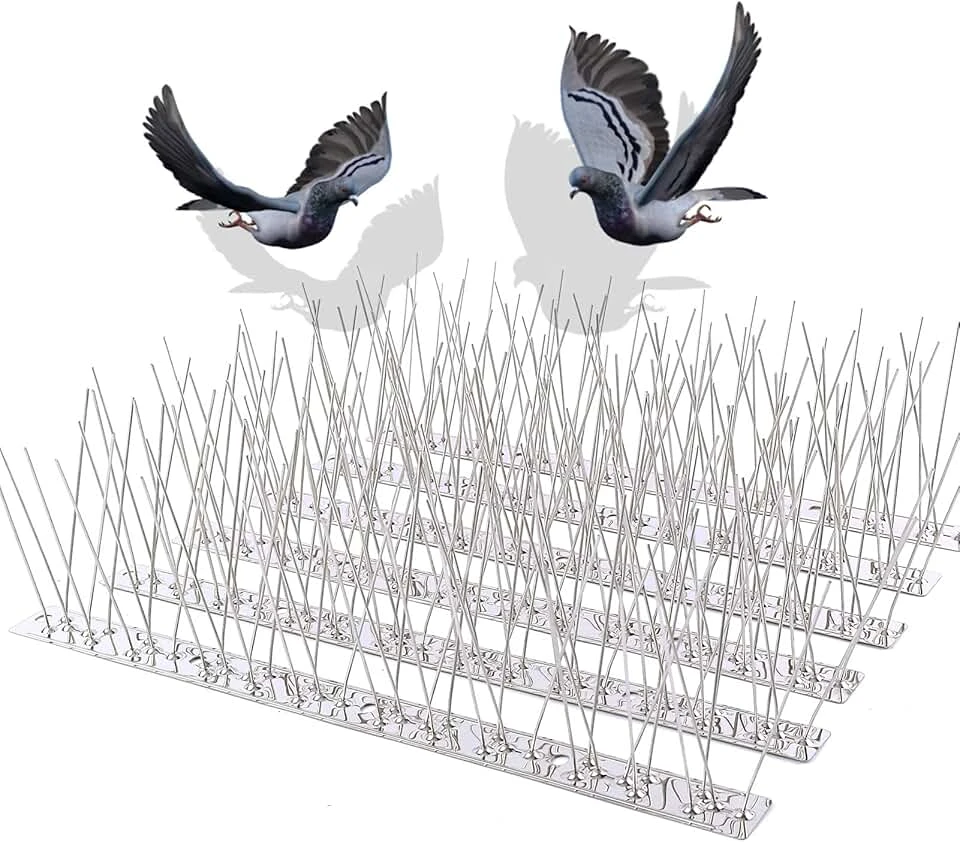
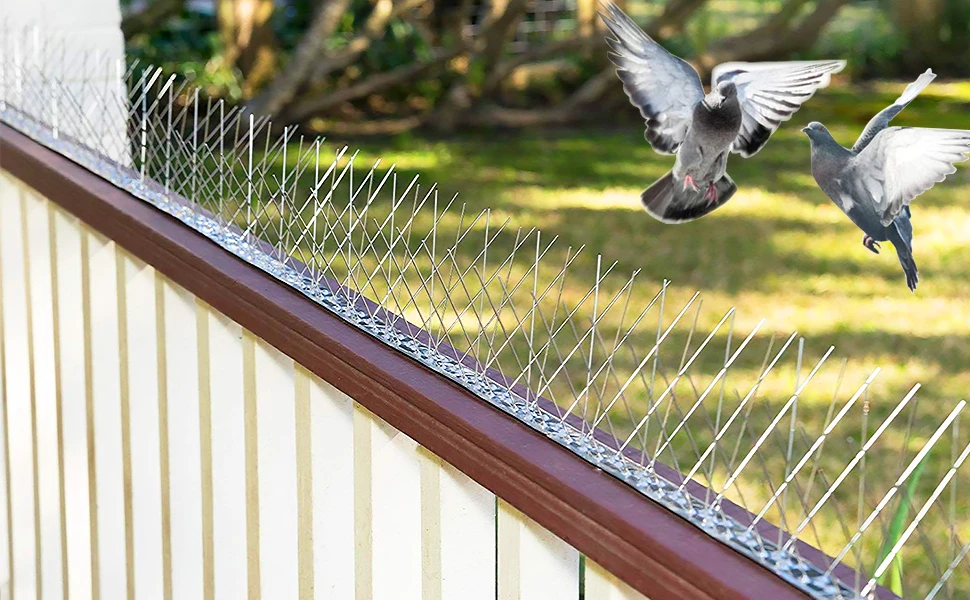
Bird spikes are usually made of polycarbonate, plastic, or metal strips with rods pointing upward. These rods are bird spikes in dubai angled such that birds cannot land comfortably, yet they are not sharp enough to hurt them. Because of the uneven surface, birds are forced to leave the area when they try to perch.
A number of surfaces, such as window ledges, rooftops, air conditioners, gutters, chimneys, and signage, can have spikes attached. Their modest design allows them to fit in with the building's architecture without sacrificing their functionality. Additionally, spikes are a cost-effective solution over time because they require little upkeep after installation.
The Benefits of Bird Spikes
The efficiency of bird spikes is their main advantage. Spikes constantly deprive birds of a comfortable landing area, in contrast to visual or acoustic deterrents that may become less effective as birds adjust. They are perfect for both residential and business settings because of their long-term dependability.
Their compassion is an additional benefit. Bird spikes are frequently suggested by animal welfare organizations because they repel without causing injury. Simply put, birds are directed to safer, better places to nest and roost. Bird spikes differ from more severe approaches in that they strike a compromise between property preservation and the humane treatment of wildlife.
From a financial perspective, spikes save property owners money in the long run.
Repairs to damage caused by droppings, nests, or corrosion can be costly. By preventing birds from settling in the first place, spikes reduce maintenance expenses and prolong the lifespan of building materials. In addition, businesses benefit from maintaining a clean, professional appearance, free from unsightly droppings or noisy flocks.
Modern Adaptations and Designs
Over time, bird spikes have been refined to meet diverse architectural needs. Today, they come in various sizes, materials, and designs. Stainless steel spikes are durable and weather-resistant, making them ideal for outdoor use, while transparent polycarbonate spikes offer a less noticeable option that blends with glass or light-colored surfaces.
Manufacturers also produce spikes in different widths to accommodate various ledge sizes. Narrow strips can be placed on small signs or beams, while wider models are suitable for rooftops and large building edges. The flexibility of modern designs ensures that spikes can be used in almost any environment without compromising aesthetics.
Environmental Considerations
One of the most important aspects of bird spikes is their environmentally responsible design. Because they do not rely on toxic chemicals or electricity, spikes are safe for humans, animals, and the surrounding ecosystem. They prevent conflict between people and birds without causing unnecessary harm. In fact, many conservationists consider them a model solution for balancing urban development with respect for wildlife.
Conclusion
The struggle to deter birds from human spaces is as old as civilization itself, but bird spikes have provided a simple, effective, and humane answer to this age-old problem. By preventing birds from perching on ledges and rooftops, spikes protect property, reduce health risks, and maintain the aesthetic appeal of buildings. At the same time, they uphold ethical standards by avoiding harm to the birds themselves. As cities continue to grow and the interaction between humans and wildlife intensifies, bird spikes stand as a modern solution that bridges the gap between practical necessity and humane responsibility.





























Sign in to leave a comment.