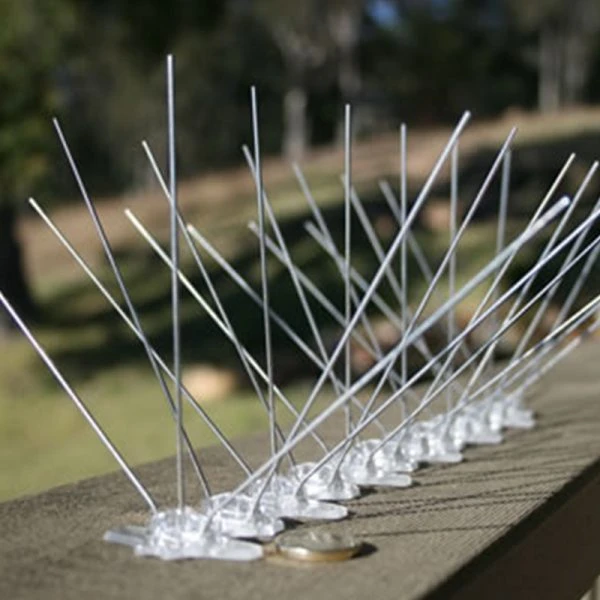

If you have ever dealt with the nuisance of birds roosting or nesting on your property, you understand the frustration and potential damage they can cause. From unsightly droppings to property damage and health hazards, bird infestations can be a significant problem for homeowners and businesses alike. However, there\'s a simple and effective solution to safeguarding your home or building: bird spikes.
Introduction
Bird spikes are devices designed to prevent birds from landing or perching on surfaces such as ledges, rooftops, fences, and signs. They consist of rows of pointed rods or spikes that create an uncomfortable surface for birds, discouraging them from roosting or nesting in the area.
Benefits of Bird Spikes Installation
Preventing Bird Infestations
One of the primary benefits of bird spikes installation is their ability to deter birds from congregating on your property. By eliminating potential roosting and nesting spots, bird spikes help reduce the likelihood of bird infestations, minimizing the associated problems such as noise, droppings, and damage.
Protecting Property from Damage
Bird droppings can be corrosive and cause damage to building materials, including wood, metal, and stone. Additionally, nests built by birds can clog gutters, vents, and drainage systems, leading to costly repairs and maintenance. By installing bird spikes in dubai, you can protect your property from these damages and prolong its lifespan.
Maintaining Cleanliness and Hygiene
Bird droppings not only damage property but also pose health risks to humans and pets. They can contain bacteria, fungi, and parasites that may cause diseases such as histoplasmosis, salmonellosis, and cryptococcosis. By keeping birds away with bird spikes, you can maintain a clean and hygienic environment for yourself and your family.
Types of Bird Spikes
When choosing bird spikes for your property, you\'ll encounter various options, each with its unique features and benefits.
Plastic Bird Spikes
Plastic bird spikes are lightweight, flexible, and easy to install. They are suitable for use on surfaces such as ledges, beams, and signs. Plastic spikes are durable and weather-resistant, making them ideal for outdoor applications.
Stainless Steel Bird Spikes
Stainless steel bird spikes are sturdy, durable, and long-lasting. They are highly effective at deterring birds and can withstand harsh weather conditions. Stainless steel spikes are suitable for both residential and commercial properties.
Polycarbonate Bird Spikes
Polycarbonate bird spikes are transparent, making them less noticeable on surfaces. They are lightweight, UV-resistant, and easy to install. Polycarbonate spikes are ideal for areas where aesthetics are a concern.
Factors to Consider Before Installation
Before installing bird spikes, it\'s essential to consider several factors to ensure their effectiveness and suitability for your property.
Bird Species in the Area
Different bird species have varying behaviors and preferences when it comes to roosting and nesting. It\'s essential to identify the types of birds frequenting your property to select the appropriate bird spikes.
Environmental Factors
Consider the environmental conditions of your location, such as wind, rain, and sunlight exposure. Choose bird spikes that can withstand these elements to ensure their longevity and effectiveness.
Budget Considerations
Bird spikes come in a range of prices, depending on their material, size, and brand. Consider your budget constraints and choose bird spikes that offer the best value for money without compromising quality.
Preparing for Installation
Before installing bird spikes, take the time to prepare properly to ensure a successful and long-lasting outcome.
Assessing the Area
Inspect the areas where birds are roosting or nesting to determine the extent of the problem and the best placement for bird spikes.
Gathering Necessary Tools and Materials
Gather all the tools and materials you\'ll need for installation, including bird spikes, adhesive, a tape measure, a level, and safety equipment.
Ensuring Safety Measures
Prioritize safety during the installation process by wearing appropriate protective gear, such as gloves and safety goggles, and following all manufacturer\'s instructions.
Step-by-Step Installation Process
Installing bird spikes is a straightforward process that can be completed in a few simple steps.
Measuring and Marking
Use a tape measure and level to measure and mark the areas where the bird spikes will be installed, ensuring precise placement.
Applying Adhesive
Apply a generous amount of adhesive to the base of the bird spikes, following the manufacturer\'s instructions.
Attaching Bird Spikes
Press the bird spikes firmly onto the surface, making sure they are securely attached and aligned correctly.
Maintenance and Longevity
To ensure the continued effectiveness of bird spikes, it\'s essential to perform regular maintenance and inspections.
Regular Cleaning
Clean the bird spikes periodically to remove dirt, debris, and bird droppings that may accumulate over time.
Inspection for Damage
Inspect the bird spikes regularly for any signs of damage, such as bent or broken spikes, and replace them as needed.
Replacing Damaged Spikes
If any bird spikes become damaged or worn out, replace them promptly to maintain the integrity of the installation.
Common Misconceptions About Bird Spikes
Despite their effectiveness, bird spikes are sometimes subject to misconceptions and misunderstandings.
Harmful to Birds
Contrary to popular belief, bird spikes are designed to deter birds without causing them harm. The spikes are blunt and angled to create an uncomfortable surface, but they do not injure birds.
Unsightly Appearance
Some people worry that bird spikes will detract from the appearance of their property. However, modern bird spikes are designed to be discreet and blend in with their surroundings, minimizing their visual impact.
Conclusion
Bird spikes offer a simple yet effective solution for preventing bird infestations and protecting your property from damage. By choosing the right type










Sign in to leave a comment.