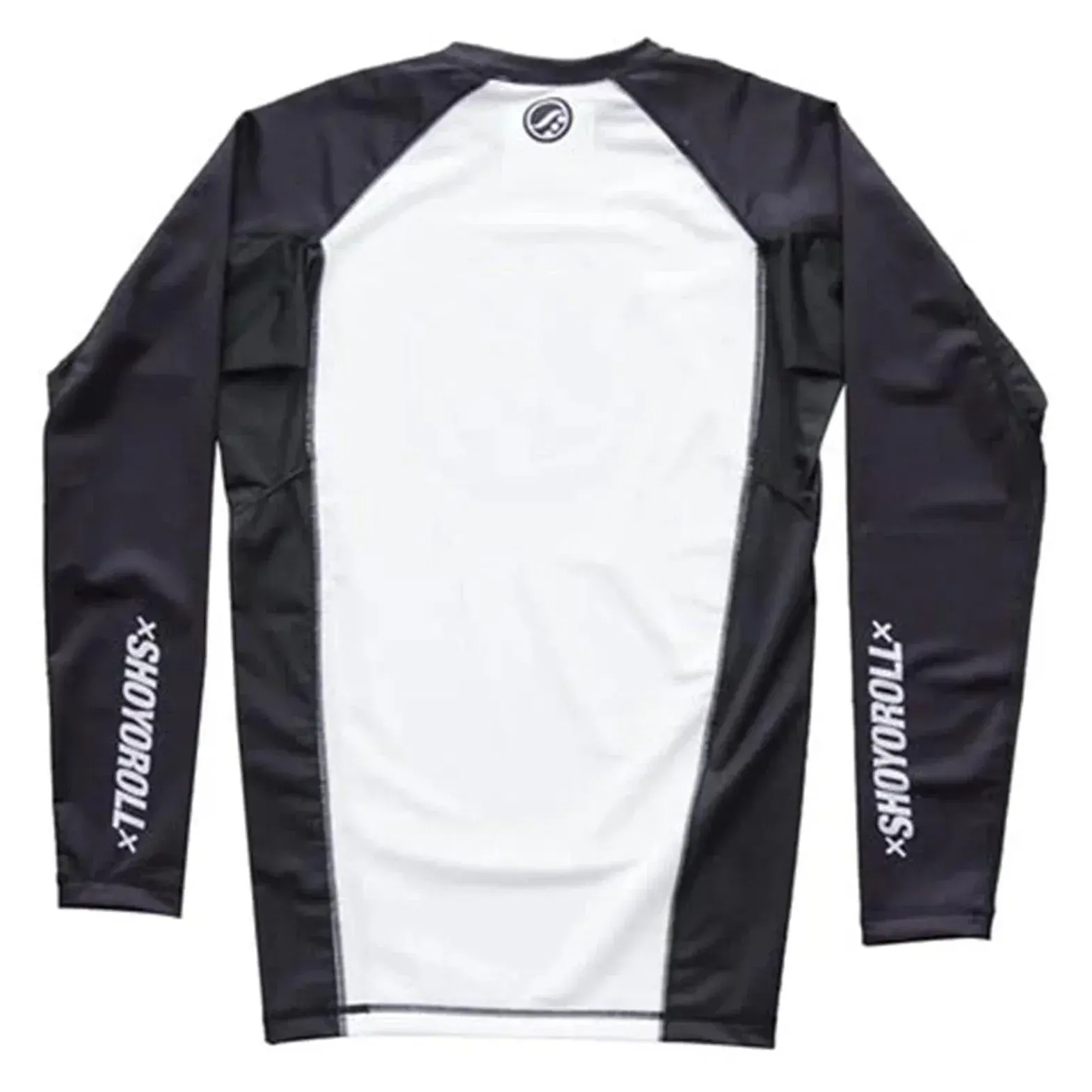

Finding the right size rash guard is one of the most important steps when buying no-gi gear. A poorly fitting rash guard can ride up during rolls, restrict breathing, create pressure points, or fail to stay in place when you need it most. The correct fit feels supportive, stays locked down, and allows full range of motion without constant adjustment.
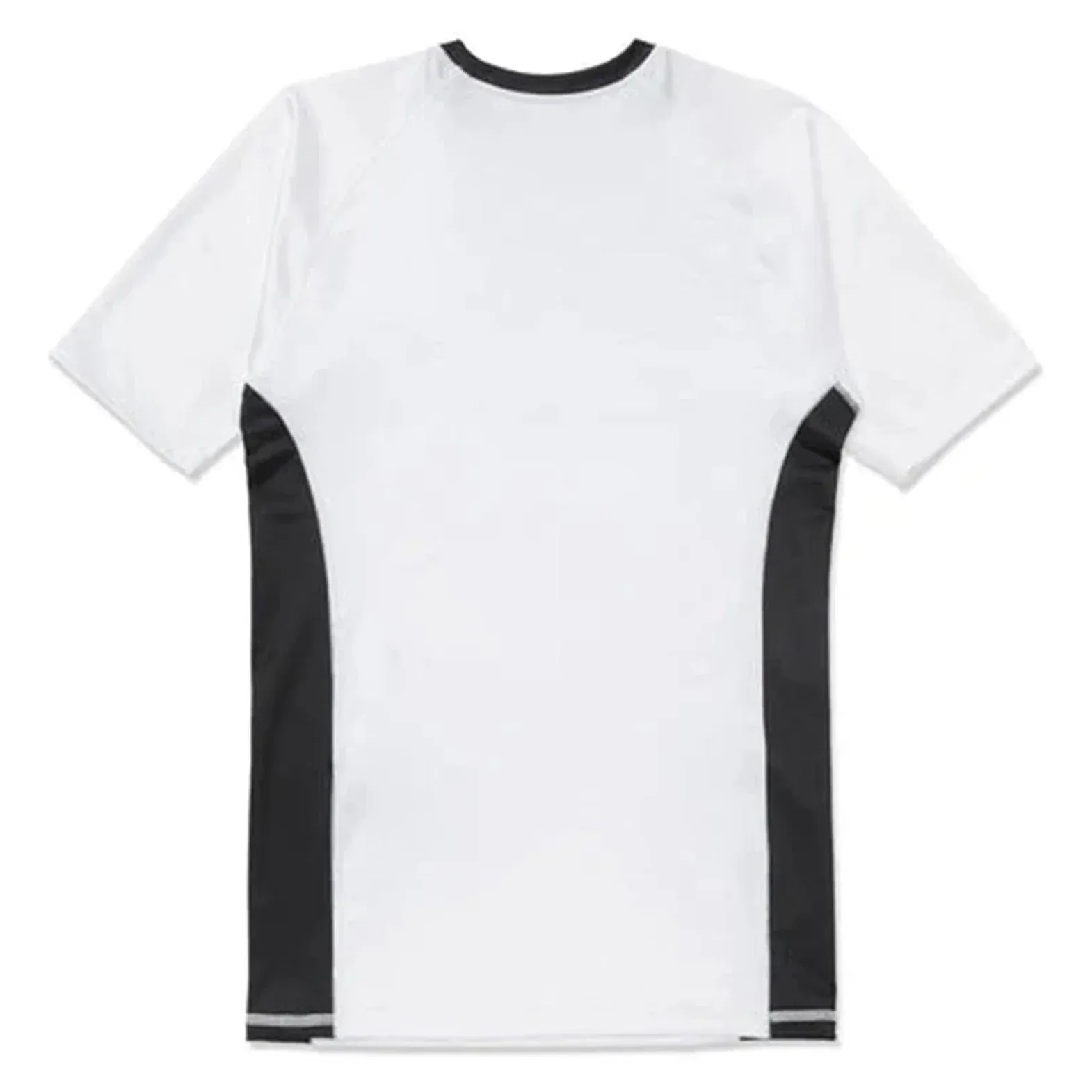
This guide explains how to measure yourself, understand size charts, choose between compression levels, and avoid common sizing mistakes so you can select a rash guard that works for both training and competition. Looking through current options in the BJJ rash guards collection can also help you compare real product sizing and cuts while you read.
Why Proper Rash Guard Sizing Matters
In Brazilian Jiu-Jitsu, your rash guard experiences constant pulling, stretching, and friction. If it is too loose, it bunches up and becomes a grip for your opponent or simply slides out of place. If it is too tight, it can restrict breathing, limit shoulder mobility, or dig into your skin during long sessions.
A well-fitted rash guard should:
- Stay in place during inversions, guard work, and scrambles
- Provide light-to-moderate compression without discomfort
- Cover the torso fully so it does not expose your lower back
- Allow free movement of the arms and shoulders
- Feel secure after multiple washes and hard training rounds
Getting the size right the first time saves money and frustration.
How to Measure Yourself Accurately
Before looking at any size chart, take a few simple body measurements. Use a soft measuring tape and stand in a relaxed position.
Chest
Measure around the fullest part of your chest, keeping the tape level and snug but not tight. This is usually the most important measurement for rash guards.
Waist
Measure around your natural waistline. Some brands also reference this for torso length.
Torso Length (optional but helpful)
Measure from the top of your shoulder down to where you want the rash guard to end (usually just below the waist or slightly lower). Longer torsos often need specific cuts.
Weight and Height
Many size charts include height and weight ranges as a quick reference. Use these only as a secondary guide after chest measurement.
Write the numbers down and keep them handy when comparing brands.
Understanding Rash Guard Size Charts
Most BJJ brands provide size charts based on chest circumference, and sometimes height and weight. Always check the specific chart for the model you are considering, because sizing is not standardized across companies.
General guidelines many brands follow:
- Small: Chest roughly 34–37 inches
- Medium: Chest roughly 38–41 inches
- Large: Chest roughly 42–45 inches
- X-Large: Chest roughly 46–49 inches
These ranges vary. Some European or Asian brands run smaller, while certain competition-focused lines run more true to size or slightly larger in the torso.
When you are between sizes, consider these factors:
- Prefer a more compressive feel → size down if the smaller option still allows comfortable breathing
- Prefer slightly more room or plan to wear the rash guard for long sessions → size up
- Have broader shoulders or a longer torso → prioritize brands known for athletic or longer cuts
Compression Level and Fit Preference
Rash guards come in different compression levels:
Light compression Feels closer to a regular athletic shirt. Easier for all-day comfort and hotter gyms.
Medium compression The most popular choice for BJJ. Supportive without feeling restrictive.
High compression Very snug. Some competitors like the locked-in feeling, but it can feel intense during long training rounds if you are not used to it.
Most beginners do best with medium compression. You can always experiment later once you understand your preference.
Sleeve Length and Sizing Considerations
Short-sleeve and long-sleeve rash guards can fit slightly differently even in the same labeled size.
- Short sleeves generally feel more forgiving in the shoulders and arms.
- Long sleeves need accurate arm and shoulder room so they do not pull at the armpits or restrict movement.
If you plan to own both styles, check reviews or size notes for each version when possible.
Common Sizing Mistakes to Avoid
- Ignoring the brand’s specific size chart and guessing based on T-shirt size
- Choosing a size only by weight without measuring chest
- Buying too small because “it will stretch”
- Buying too large “for comfort” and ending up with a rash guard that rides up
- Forgetting that rash guards can shrink slightly after the first few washes (especially lower-quality fabrics)
Always read recent customer feedback about sizing when shopping online.
How Fit Changes During Training
A rash guard that feels perfect when you first put it on should still perform after 20–30 minutes of hard rolling. Pay attention to:
- Does the bottom stay tucked or does it rise?
- Do the sleeves stay in place?
- Is breathing still comfortable after multiple rounds?
- Are there any pressure points at the neck, shoulders, or underarms?
If possible, test the fit with some movement (arm circles, sprawls, or light stretching) before deciding.
Caring for Your Rash Guard to Maintain Fit
Even a perfectly sized rash guard can lose its shape with poor care. Wash it soon after training in cold water with mild detergent, avoid fabric softener, and air dry whenever possible. High heat and harsh chemicals break down elastic fibers over time. Additional maintenance tips that also apply to rash guards can be found in this useful guide on washing and caring for BJJ gear.
Final Tips for Choosing Your Size
- Measure your chest accurately.
- Always consult the specific brand size chart.
- Decide on your preferred compression level.
- Read recent sizing reviews when possible.
- When in doubt between two sizes, consider your training intensity and body shape.
- Prioritize function and security over pure aesthetics.
A well-fitted rash guard becomes almost unnoticeable during training, it simply stays in place and lets you focus on technique. Taking a few extra minutes to measure and compare charts leads to better performance and greater comfort on the mats.
Whether you are preparing for your first no-gi class or refining your competition kit, the right size makes a clear difference in how effectively you can train.






















Sign in to leave a comment.