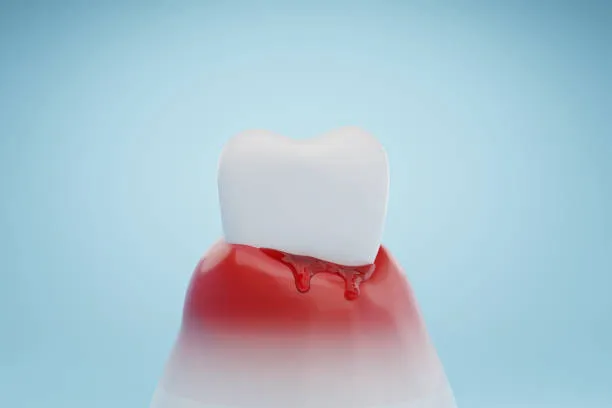


Spitting out a little pink when you brush your teeth might seem like a minor inconvenience - something you dismiss and move on from. But if it happens every single time you pick up your toothbrush, your mouth is trying to tell you something. Bleeding gums are one of the most common yet most overlooked oral health signals in India. People often blame it on brushing too hard or a new toothbrush, and while those can be contributing factors, repeated bleeding is rarely that simple. Understanding what is actually happening beneath the gum line - and knowing when to act on it - can make a significant difference to your long-term dental and overall health.
Why Do Gums Bleed in the First Place?
Healthy gums do not bleed when you brush or floss. Full stop. When they do, it usually points to inflammation, and inflammation is almost always the result of something building up along and below the gum line.
Plaque and Tartar Build-Up
The most common culprit is plaque - that sticky, bacteria-laden film that forms on teeth throughout the day. When plaque is not removed consistently through brushing and flossing, it hardens into tartar within 24 to 72 hours. Tartar cannot be removed at home. Once it settles near the gum line, it irritates the surrounding tissue, causing the gums to swell, become tender, and bleed easily. This early stage of gum disease is called gingivitis.
Gingivitis vs. Periodontitis - Understanding the Difference
Gingivitis is reversible. With proper cleaning and improved oral hygiene, inflamed gums can return to a healthy state. Periodontitis, however, is a more advanced infection where the damage extends to the bone and tissue supporting the teeth. At this stage, gums may pull away from teeth, pockets form, and teeth can eventually loosen. The bridge between the two conditions is often just time and neglect - which is why early attention matters so much.
Other Reasons Your Gums Might Be Bleeding
While gum disease is the most frequent explanation, it is not the only one. Several other factors can make your gums more prone to bleeding, and ruling these out helps you and your dentist arrive at the right course of action.
Medications That Affect Gum Tissue
Certain medications - particularly blood thinners like aspirin or warfarin, as well as some anti-seizure and blood pressure drugs - can cause gum tissue to become more fragile or overgrown. If you recently started a new medication and noticed your gums have changed, mention it to both your physician and your dentist.
Nutritional Deficiencies
A deficiency in Vitamin C is a classic but still relevant cause of bleeding gums. Vitamin C plays a direct role in collagen production and tissue repair. Vitamin K, which supports blood clotting, is another nutrient whose absence can make gum bleeding more pronounced. A diet that leans heavily on processed foods and skips fresh fruits and vegetables can quietly set the stage for gum problems over time.
Hormonal Changes
Pregnancy, puberty, and menopause all alter hormone levels in ways that affect gum tissue. "Pregnancy gingivitis" is well-documented - gums become more sensitive and reactive to plaque during pregnancy, making regular dental visits during this period especially important.
Who Is Most at Risk - and Why It Matters
Bleeding gums do not discriminate, but certain groups face higher risk. Smokers, for instance, often have reduced gum bleeding not because their gums are healthier, but because smoking restricts blood flow - masking a serious problem. People with diabetes are significantly more susceptible to gum infections due to impaired immune response and slower healing. Those with a family history of gum disease, people who skip regular dental check-ups, and anyone under chronic stress (which affects immune function) also sit in a higher-risk bracket.
Understanding your personal risk profile helps you decide how urgently to seek evaluation. If you fall into multiple risk categories and are experiencing persistent bleeding, waiting is not a safe option.
Consulting a Gum Disease Specialist sooner rather than later can prevent a reversible problem from becoming a costly, complex one.
What to Weigh Before Deciding on Treatment
Once you recognise that bleeding gums need professional attention, the next step is understanding your options and what each involves. Treatment is not one-size-fits-all, and a good specialist will tailor the approach to the severity of your condition.
Professional Cleaning vs. Deep Cleaning
For gingivitis, a professional scaling - the careful removal of plaque and tartar from the tooth surface and gum line - is often all that is needed, paired with a corrected home care routine. For more advanced gum disease, a procedure called scaling and root planing (deep cleaning) clears infection from below the gum line and smoothens the root surface to discourage bacteria from reattaching. This is a non-surgical option that resolves most moderate cases effectively.
Surgical Options for Advanced Cases
When deep pockets remain or bone loss is significant, surgical interventions such as flap surgery or bone grafting may be recommended. These sound intimidating, but modern techniques are far less invasive than they were a decade ago, and recovery is generally manageable. The key is not letting things progress to this point unnecessarily by ignoring early warning signs.
Maintenance and Long-Term Commitment
Gum disease is a chronic condition. Even after successful treatment, regular maintenance appointments - typically every three to four months initially - are essential to prevent recurrence. Patients who commit to this schedule consistently show far better long-term outcomes. Your dentist or specialist will guide you on the right interval based on your specific situation.
If you are based in Tamil Nadu and looking for expert care,
the Best Gum Specialist in Coimbatore can evaluate your gum health comprehensively and recommend a treatment plan suited to your needs and lifestyle.
What You Can Do Right Now at Home
Professional care is irreplaceable, but your daily habits form the foundation of healthy gums. Brush twice a day with a soft-bristled toothbrush using gentle, circular motions - aggressive brushing damages gum tissue rather than protecting it. Floss at least once a day, ideally before bedtime, to clear the spaces between teeth where plaque accumulates. An antibacterial mouthwash can reduce bacterial load but should not substitute for mechanical cleaning. Stay hydrated, eat a balanced diet rich in Vitamin C and leafy greens, and avoid tobacco in any form.
These habits will not reverse existing tartar or gum disease, but they will slow progression and significantly improve your response to professional treatment.
Conclusion
Bleeding gums are a signal worth taking seriously - not with alarm, but with informed attention. The encouraging truth is that when caught early, gum disease is entirely manageable. When caught late, it is still treatable, just with more effort and investment. The decision to seek timely professional evaluation is one of the most practical things you can do for your oral and overall health. Whether your bleeding is mild and recent or has been ongoing for months, a skilled dentist can give you clarity and a clear path forward. To start that conversation,
reach out to the Best Dentist in Coimbatore and take the first step toward healthier gums today.
Frequently Asked Questions
Is it normal for gums to bleed a little when brushing?
Occasional bleeding from brushing too hard or starting a new flossing routine can happen, but recurring bleeding every time you brush is not normal. It is a sign of gum inflammation that warrants professional evaluation, even if it does not hurt.
Can bleeding gums heal on their own without a dentist visit?
In very mild, early-stage gingivitis, improving your brushing and flossing routine can reduce inflammation over two to three weeks. However, if plaque has hardened into tartar, home care alone cannot remove it. A professional cleaning is necessary for the gums to fully recover.
Does bleeding while flossing mean I am doing it wrong?
Not necessarily. If you are new to flossing or have not flossed in a while, some bleeding in the first week or two is common as inflamed tissue responds to stimulation. If the bleeding persists beyond two weeks of regular flossing, it suggests underlying gum disease rather than technique alone.
How is gum disease linked to overall health?
Research consistently links chronic gum disease to an elevated risk of heart disease, diabetes complications, respiratory infections, and adverse pregnancy outcomes. The bacteria and inflammatory markers from the mouth can enter the bloodstream and affect other organ systems, making gum health a genuine whole-body concern.
How often should someone with bleeding gums visit the dentist?
Initially, every three to six months is advisable until the condition is brought under control. Once your gum health stabilises, your dentist will recommend the appropriate interval for maintenance visits. Skipping these follow-ups is one of the most common reasons gum disease recurs after treatment.
Source: https://699c34aa562db.site123.me/



























Sign in to leave a comment.