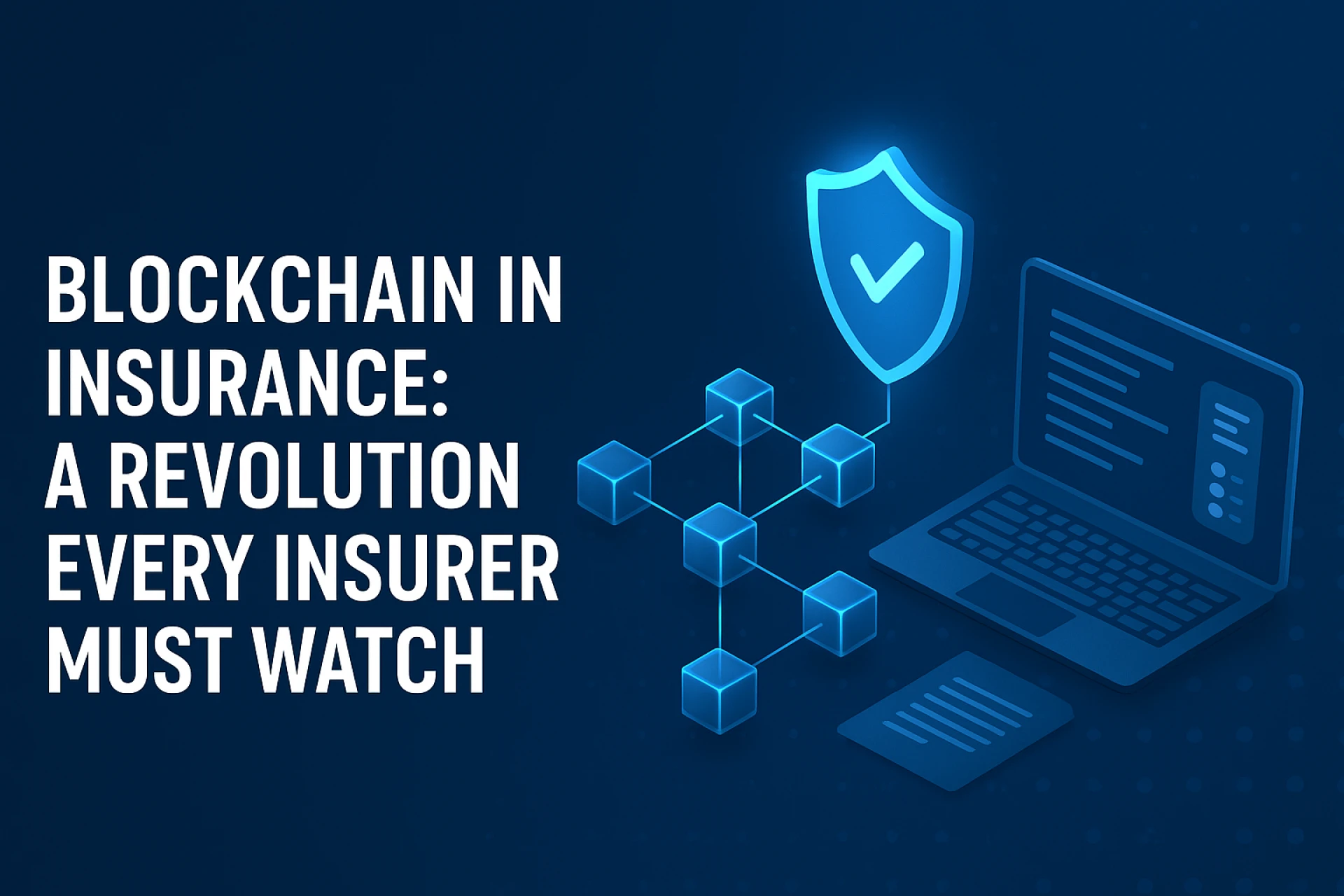

The insurance industry has always been about trust. Customers buy policies with the assurance that insurers will be there when they need support the most. However, traditional insurance processes—claims, underwriting, fraud detection, and compliance—are often bogged down by inefficiencies, delays, and lack of transparency. With the rise of digital transformation, blockchain technology has emerged as a powerful enabler, promising to reshape how insurers operate and deliver value to customers.
Blockchain’s decentralized and immutable ledger allows for greater trust, efficiency, and transparency. For insurers, it offers solutions to long-standing challenges such as fraudulent claims, data silos, manual documentation, and poor customer experiences. By integrating blockchain into their core operations, insurance companies can reduce costs, improve accuracy, and build stronger relationships with policyholders.
Why Blockchain Matters in the Insurance Industry
Insurance companies handle massive amounts of sensitive customer data—from health and auto records to property valuations. These processes rely heavily on third parties, paperwork, and lengthy verification cycles, which often make the customer journey slow and frustrating.
Blockchain addresses these challenges by offering:
- Decentralization: Data is shared across a secure network, eliminating single points of failure.
- Immutability: Once information is recorded, it cannot be altered, ensuring data integrity.
- Smart Contracts: Automated agreements reduce manual intervention and speed up claims processing.
- Transparency: Every participant in the blockchain ecosystem has access to the same data, reducing disputes and errors.
The Role of Blockchain in Insurance Claims
One of the biggest pain points in the insurance industry is claims management. Customers often complain about delayed settlements, while insurers struggle with fraudulent or exaggerated claims. Blockchain can change this dynamic entirely.
- Automated Claims Processing: With smart contracts, claims can be triggered automatically when certain conditions are met. For example, flight insurance claims could be instantly paid out if blockchain systems confirm that a flight was canceled.
- Faster Settlements: By removing intermediaries, blockchain allows insurers to process claims quickly and cost-effectively.
- Reduced Errors: Immutable data ensures that both customers and insurers work with accurate, tamper-proof records.
This improves not only efficiency but also customer satisfaction—turning claims from a headache into a seamless experience.
Blockchain in Insurance Industry: Fighting Fraud with Transparency
Fraudulent claims cost the global insurance industry billions every year. Whether it’s staged accidents, false medical records, or exaggerated damages, fraud remains one of the toughest challenges for insurers.
This is where blockchain in insurance industry applications shine. With its transparent and immutable record-keeping, blockchain makes it nearly impossible for fraudsters to manipulate data. For instance:
- Healthcare Insurance: Blockchain ensures medical records are accurate and tamper-proof, preventing false treatment claims.
- Auto Insurance: Accident reports, repair bills, and vehicle histories can be stored securely, reducing fake accident reports.
- Life Insurance: Death records can be verified instantly through blockchain-linked government databases, preventing false claims.
This level of transparency strengthens trust between insurers and policyholders, while dramatically cutting down on fraud-related losses.
From Transparency to Customization: Creating a Competitive Edge
Beyond fraud prevention and claims management, blockchain empowers insurers to offer greater transparency in pricing, risk assessment, and policy issuance. Customers gain visibility into how premiums are calculated, and insurers can build trust by ensuring fairness.
At this stage, many businesses realize that blockchain adoption isn’t just about efficiency—it’s also about differentiation. That’s where a specialized insurance software development company comes in. By leveraging domain expertise and blockchain solutions, insurers can design customized platforms for underwriting, risk scoring, and customer engagement—ensuring they stay ahead of competitors while delivering better customer experiences.
Key Benefits of Blockchain in the Insurance Industry
- Improved Claims Accuracy: Automated and transparent claims reduce disputes.
- Fraud Reduction: Immutable records make tampering nearly impossible.
- Cost Savings: Automation reduces administrative costs and manual labor.
- Faster Settlements: Customers enjoy faster payouts, boosting satisfaction.
- Regulatory Compliance: Blockchain provides traceable audit trails for regulators.
- Customer Trust: Transparent processes enhance brand loyalty.
Real-World Use Cases of Blockchain in Insurance
- Parametric Insurance: Crop insurance payouts triggered automatically by weather data stored on blockchain.
- Peer-to-Peer Insurance Models: Blockchain facilitates decentralized insurance pools where members share risks transparently.
- Reinsurance: Blockchain enables real-time data sharing between insurers and reinsurers, reducing reconciliation delays.
- Healthcare Insurance: Secure sharing of patient medical histories prevents duplicate testing and speeds up claims.
These examples show that blockchain is not just theoretical—it is already redefining how insurers operate globally.
Challenges in Adopting Blockchain in Insurance
Despite its potential, blockchain adoption in insurance faces hurdles:
- Integration with Legacy Systems: Many insurers still rely on outdated infrastructure.
- Regulatory Uncertainty: Compliance frameworks for blockchain are still evolving.
- Scalability Issues: Large-scale implementations require robust blockchain networks.
- Change Resistance: Shifting to a decentralized model demands cultural and organizational change.
Overcoming these challenges requires insurers to work with experienced technology partners who understand both blockchain and insurance domain complexities.
The Future of Blockchain in Insurance
As the industry moves toward digital-first models, blockchain is expected to become a cornerstone of insurance operations. With advancements in AI, IoT, and big data analytics, blockchain-powered insurance ecosystems will provide real-time risk assessments, seamless claims, and unparalleled transparency.
Forward-looking insurers who invest in blockchain today will gain a long-term competitive advantage, while those who delay risk being left behind in an increasingly customer-centric marketplace.
Conclusion
The insurance industry is built on trust—and blockchain is the technology that can strengthen it for the digital age. From transforming claims and fraud detection to enhancing transparency, blockchain offers insurers a way to operate more efficiently while delivering better customer experiences.
By partnering with an experienced insurance software development company, insurers can integrate blockchain seamlessly into their operations, ensuring scalability, compliance, and innovation.
Blockchain is not just the future of insurance—it is the present. Those who embrace it today will define the next era of trust, efficiency, and growth in the insurance industry.






























Sign in to leave a comment.