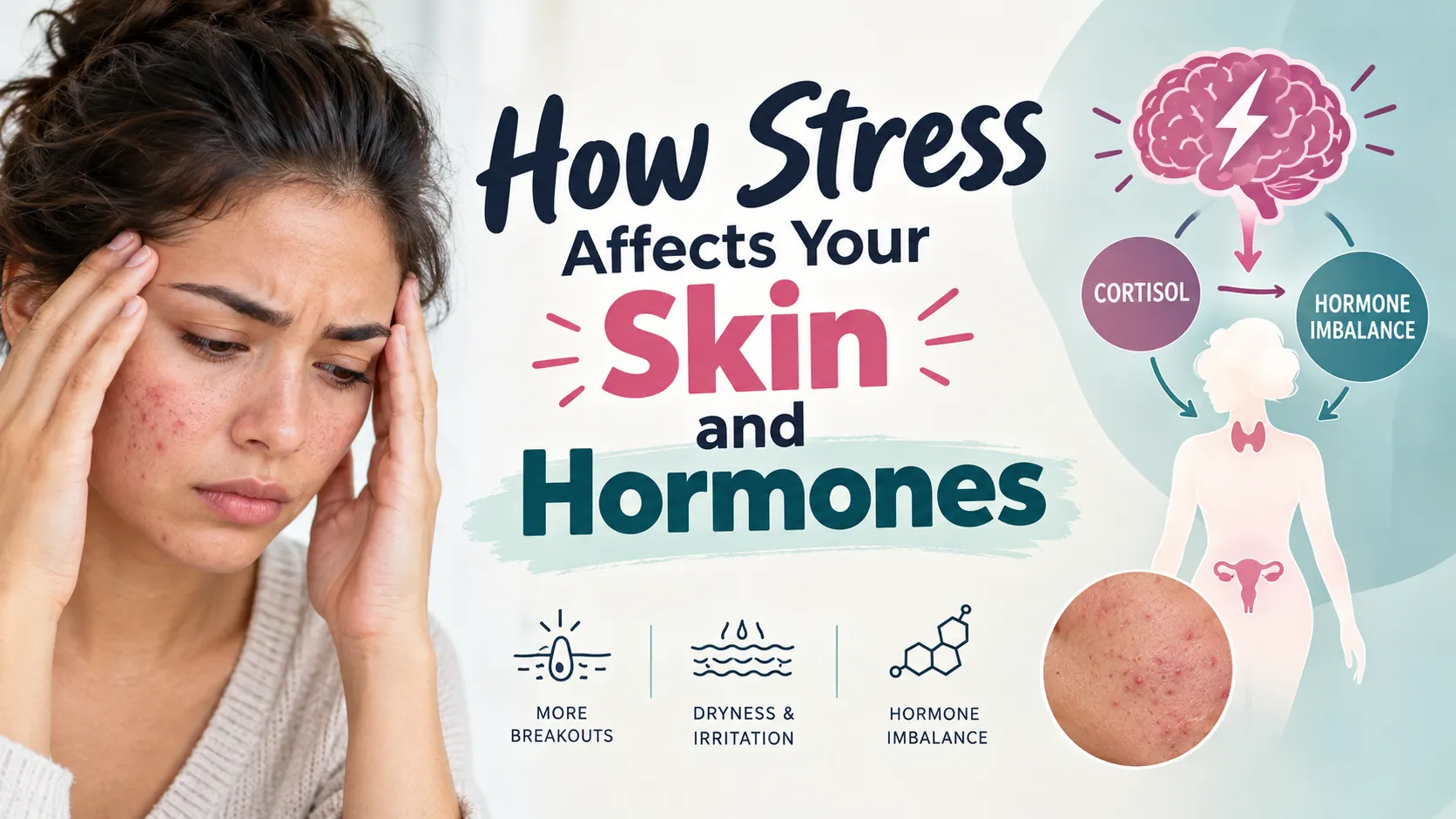

A tough week at work, a family worry, or a few nights of poor sleep, and the skin often shows it. Maybe it turns dull, maybe a breakout appears out of nowhere, or maybe dry, itchy patches show up. This is not just in your head. Stress changes what happens inside your body, and the skin is one of the first places it shows.
What Stress Actually Does Inside the Body
When you feel stressed, your body releases hormones like cortisol and adrenaline. This is a built-in survival response, and in short bursts it is useful. The trouble starts when stress becomes constant. Deadlines, money worries, long commutes and poor sleep can keep cortisol high for weeks or months, and the body was never designed to stay in that state for so long.
Why Oil and Breakouts Increase
High cortisol tells the oil glands to work harder. More oil, mixed with dead skin and normal skin bacteria, makes clogged pores and breakouts much more likely. Stress can also nudge other hormones out of balance, including the ones that already influence acne. This is why stress breakouts often show up along the jawline and chin, areas that react strongly to hormone changes.
How the Skin Barrier Gets Weaker
Your skin barrier works like a protective wall, keeping moisture in and irritants out. Studies and clinical experience show that long-term stress can weaken this wall. The result is skin that feels tight, dry, easily irritated, or suddenly sensitive to products it handled well before. Many people with eczema or psoriasis also notice that flare ups tend to arrive during stressful periods.
Why Healing Slows Down
Stress does not only triggers new problems, but it also slows down repair. A pimple that would normally fade in a few days may linger, and the dark mark left behind can stay longer than usual. This is where post-inflammatory hyperpigmentation products become useful, since they help fade marks that stress and breakouts leave behind, though they work best alongside good sun protection and patience.
Hormones Beyond Cortisol
Cortisol is only one part of the picture. Long-term stress can affect thyroid function, sleep hormones, and sex hormones too. In women, stress can disturb the menstrual cycle, which in turn can worsen hormonal acne. Stress may also make existing pigmentation concerns, like melasma, harder to control in some people. Each person reacts differently, but the pattern of stress affecting hormones and hormones affecting skin shows up often in clinics.
The Sleep and Habit Trap
Stress rarely travels alone. It brings poor sleep, skipped meals, more sugary snacks, less water, and less exercise. It also encourages habits like picking at spots and scratching irritated skin, which can worsen inflammation and lead to marks. Poor sleep matters most, since skin does much of its repair work overnight.
Hair Feels It Too
Skin is not the only thing that reacts. A few months after a stressful event, some people notice more hair shedding than normal. This is usually temporary and often settles once the stress passes, but it shows how widely stress reaches across the body.
Easy Habits For Glowing Skin
You cannot remove stress from life, but small habits can soften its effect on your skin. These Easy Habits For Glowing Skin do not need much time or money:
- Protect your sleep as much as you can, since this gives your skin its best repair window.
- Drink enough water through the day.
- Keep your routine simple: a gentle cleanser, a good moisturiser, and daily sunscreen.
- Move your body; even a short walk helps lower stress hormones.
- Try a few minutes of slow breathing or quiet time each day.
- Keep your hands off your face, and do not pick at spots.
Choosing Products That Support, Not Stress, Your Skin
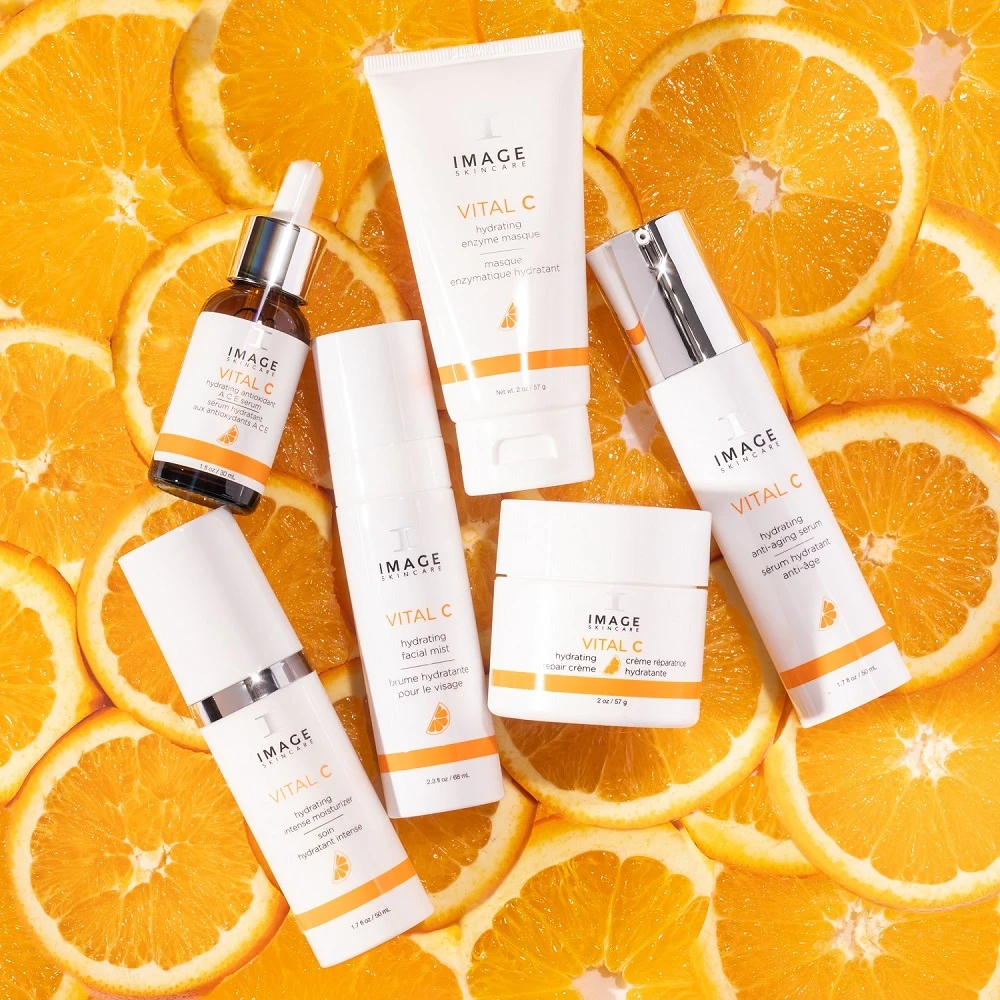
When skin is already reactive, harsh products can add to the problem. A trusted Dermatological Skincare Brand develops gentle formulations with consistent quality, so the products calm the skin rather than irritate it further. Look for fragrance-free options, barrier-supporting ingredients, and brands that explain what their products actually do.
When to See a Dermatologist
If breakouts keep returning, patches do not settle, or marks refuse to fade, a dermatologist can find out what is really going on. Sometimes stress is the main driver, and sometimes it is only part of a bigger picture involving hormones, nutrition or an underlying skin condition. Proper diagnosis saves months of guesswork.
Final Thoughts
Stress affects the skin through real, measurable changes in hormones, oil production, barrier strength and healing speed. Understanding this connection helps you respond calmly instead of blaming yourself or your products. Manage stress where you can, keep your routine gentle, choose quality products, and ask a professional when something does not improve. Your skin often shows how you are feeling, and caring for one usually helps the other.


















Sign in to leave a comment.