
A lush, vibrant lawn isn’t just the result of regular mowing and watering—it starts beneath the surface. Healthy soil is the foundation of a strong yard, yet it’s often the most overlooked part of lawn care. Over time, soil becomes compacted, restricting the flow of air, water, and nutrients. When that happens, even the most diligent watering schedule or the best fertilizer won’t deliver the results you expect. That’s where aeration steps in as one of the most effective treatments for breathing life back into your yard.
In fact, homeowners who invest in Lawn Aeration Services often see dramatic improvements in grass color, density, and resilience within just a few weeks. Aeration is not a luxury—it’s a crucial maintenance step that directly impacts the health of your lawn by revitalizing the soil beneath it.
Why Soil Compaction Is a Bigger Problem Than You Think
Everyday activities—walking across your yard, playing with pets, hosting backyard barbecues—gradually pack down the soil. Even natural rainfall contributes to this compaction. When the soil becomes too dense, grassroots struggle to grow deep. Shallow roots lead to weak, patchy, easily stressed lawns. You may start noticing more weeds, brown patches, or increased water runoff after it rains.
Aeration counters these issues by creating small holes throughout your yard. These openings allow your lawn to “breathe,” improving the movement of essential nutrients and encouraging stronger roots. The result is a lawn that can handle heat, cold, pests, and foot traffic far better than one grown in compacted soil.
Signs Your Lawn Is Begging for Aeration
If you’re not sure whether your yard needs aeration, here are clear signs to look for:
- Spongy or thatch-heavy yard: Thick thatch layers can suffocate your grass.
- Water pooling: If water isn’t soaking into the soil, compaction is likely the culprit.
- Thin or discolored grass: Grass that can’t access nutrients will show it.
- Hard soil: If you struggle to insert a screwdriver into the ground, it’s too compact.
- High-traffic areas: Pathways where people or pets frequently walk need extra attention.
Most lawns benefit from aeration once a year, typically in spring or fall depending on your grass type.
lawn aeration service near me
You may be wondering if this treatment is worth the investment. For many homeowners, the answer is a resounding yes. Aeration is one of the few lawn care tasks with immediate and long-lasting benefits. Choosing a professional to handle the process ensures core plugs are removed properly and evenly, giving your lawn the best chance to recover and thrive.
How Aeration Revives Your Yard from the Ground Up
Aeration might look simple, but its impact is incredibly powerful. When plugs of soil are removed from the ground, three major things happen:
1. Enhanced Airflow to the Roots
Grass roots need oxygen as much as they need water. Aeration opens compacted soil, allowing air to circulate freely. This helps roots grow deeper and stronger, supporting a thicker lawn.
2. Better Water Absorption
If water usually runs off your yard instead of soaking in, aeration solves the problem. The holes created during the process give water a direct pathway into the soil, improving hydration and reducing waste.
3. Improved Nutrient Uptake
Even the highest-quality fertilizer won’t be effective if the soil is too tight. Aeration helps nutrients penetrate deeper, allowing grass roots to absorb what they need to grow greener and healthier.
4. Reduced Thatch Buildup
Thatch is a dense layer of plant material that can choke grass if left uncontrolled. Aeration naturally breaks up thatch, helping your lawn breathe and reducing the risk of disease.
When Is the Best Time to Aerate?
Timing is everything when it comes to aeration. For cool-season grasses—such as Kentucky bluegrass or fescue—early fall or early spring is ideal. These seasons allow the lawn to recover quickly during active growth times. For warm-season grasses like Bermuda or Zoysia, late spring to early summer is best.
No matter your grass type, avoid aerating during drought or extreme heat. Aeration temporarily exposes the soil, so performing it during a stressful weather period can do more harm than good.
DIY vs. Professional Aeration: What’s the Difference?
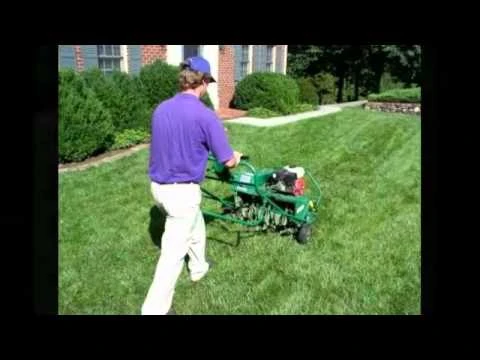
You can rent a core aerator, but it’s not always the easiest machine to operate. They’re heavy, awkward, and require precision to avoid damaging your lawn. Many DIY attempts result in uneven aeration or too few passes, limiting the treatment’s effectiveness.
Professional teams bring powerful equipment and experienced technique, ensuring every square foot of your yard gets the attention it needs. They can also pair aeration with overseeding or fertilization for even better results.
Pairing Aeration with Other Lawn Treatments
For maximum impact, aeration is often paired with complementary treatments:
Overseeding
After aeration, the soil is more receptive to new seeds. Over seeding fills in bare spots and improves overall density.
Fertilization
Nutrients penetrate deeply into the freshly aerated soil, helping your lawn grow stronger and greener.
Topdressing
A thin layer of compost or soil can help level uneven areas and improve soil structure.
When combined, these treatments create a powerhouse approach to lawn health.
The Long-Term Benefits of Regular Aeration
Aeration isn’t just a quick fix—it’s a long-term investment in your lawn’s health. With consistent annual aeration, your yard will:
- Resist drought better
- Require less water
- Experience fewer weeds
- Grow thicker and greener
- Stay healthier year-round
It’s one of the most cost-effective ways to maintain a beautiful lawn without relying on constant fertilizers or chemical treatments.
Final Thoughts: Give Your Lawn Room to Breathe
Your lawn works hard all year, and sometimes it needs a little help to stay healthy. Aeration is a simple yet transformative treatment that revitalizes compacted soil, strengthens root systems, and boosts your lawn’s overall resilience.
If your yard has been looking tired, thin, or thirsty, aeration may be exactly what it needs to bounce back. Investing in the right care today can reward you with a lush, thriving lawn for seasons to come.




























Sign in to leave a comment.