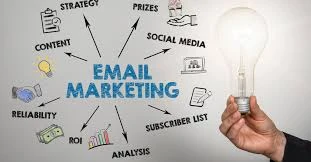
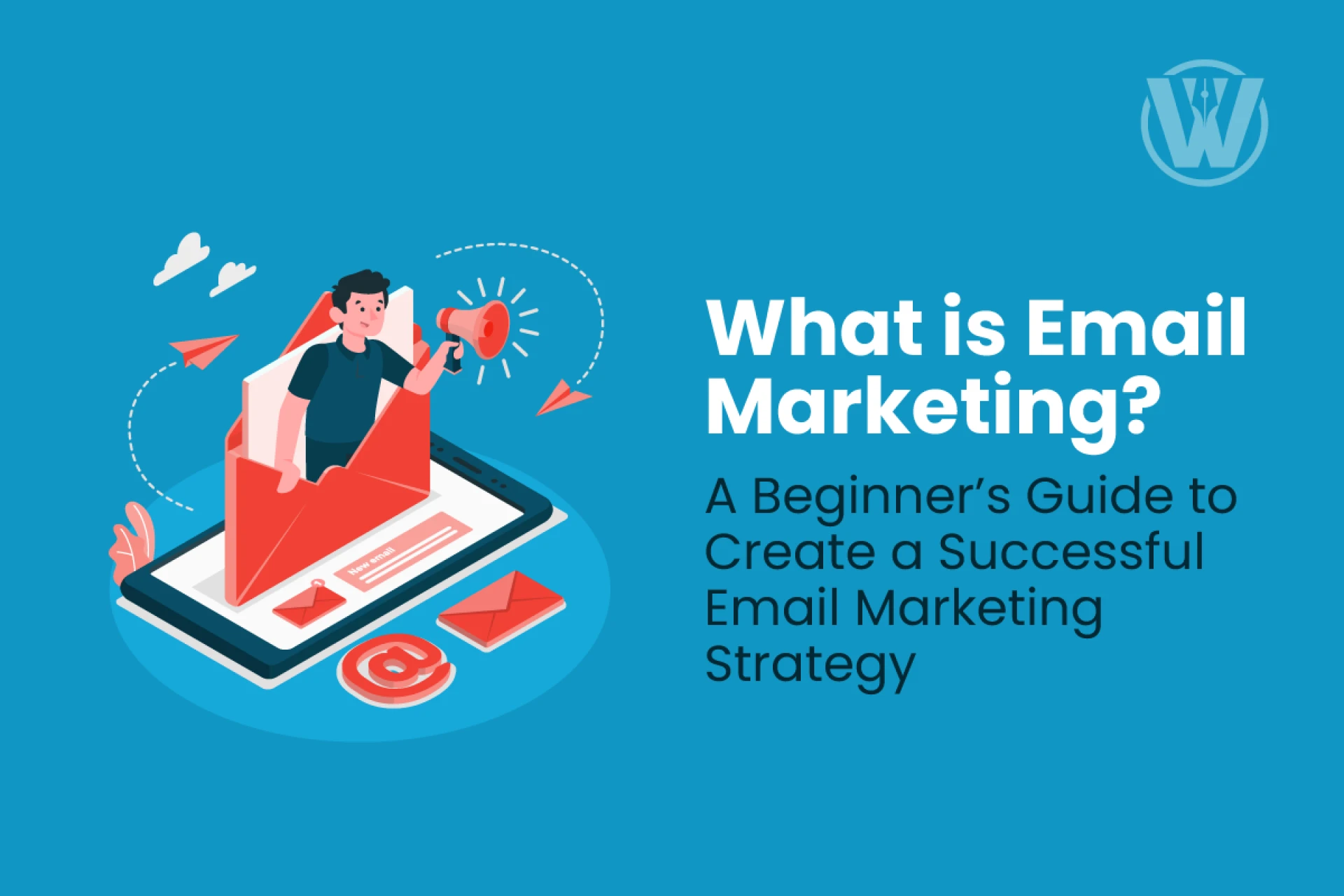
In the world of digital marketing, trends may come and go, but one channel continues to prove its unmatched value year after year — Email Marketing. It remains one of the most powerful and cost-effective ways to engage customers, nurture relationships, and drive sales. With billions of active email users worldwide, this strategy gives businesses a direct line of communication with their audiences — one that’s personal, measurable, and conversion-driven. That’s why investing in professional Email Marketing services is essential for brands looking to strengthen customer connections and maximize ROI. When implemented strategically, these services not only boost engagement but also transform casual subscribers into loyal customers and passionate brand advocates.
The Power of Email Marketing in the Digital Age
While social media and paid ads often steal the spotlight, email marketing quietly delivers higher ROI than most other marketing channels. According to recent studies, for every $1 spent, email marketing generates an average return of $36 — a testament to its effectiveness when done right.
The reason is simple: emails reach your customers directly, in their inboxes, without relying on algorithms or fleeting social posts. Unlike other platforms, you own your email list. This makes it a stable, long-term asset for building relationships and increasing customer lifetime value.
Moreover, email allows for personalization at scale. Businesses can tailor messages based on customer preferences, purchase history, and behavior, creating experiences that feel individualized and relevant. This level of personalization fosters trust and drives engagement, ultimately leading to higher conversions.
Building a Quality Email List
The success of any email campaign begins with a strong foundation — your subscriber list. A high-quality list ensures that your messages reach people genuinely interested in your brand or offerings.
Here are a few proven strategies to build an authentic list:
- Offer Value: Create lead magnets such as free guides, discount codes, or exclusive content that encourage sign-ups.
- Use Clear Opt-Ins: Make your subscription forms visible on your website, blogs, and landing pages.
- Avoid Buying Lists: Purchased lists often contain unengaged or irrelevant contacts and can harm your sender reputation.
- Comply with Privacy Laws: Always get consent from users and follow GDPR, CAN-SPAM, and other regulations to maintain credibility.
A well-built email list filled with engaged subscribers ensures your campaigns reach the right people, increasing both open and click-through rates.
Crafting the Perfect Email: Design, Copy, and Timing
A successful email marketing campaign blends creativity, strategy, and psychology. The design, content, and timing all work together to capture attention and prompt action.
1. Subject Lines that Convert
Your subject line is your first impression. It determines whether your email gets opened or ignored. Keep it concise, engaging, and relevant. Including personalization or curiosity elements (“Exclusive Offer Just for You”) can increase open rates significantly.
2. Compelling Content
Once you’ve secured the open, your content must deliver value. Whether it’s educational tips, product recommendations, or limited-time offers, ensure your email provides something meaningful. Use conversational language, engaging visuals, and clear calls to action (CTAs).
3. Visual Appeal
A clutter-free layout enhances readability. Break content into sections with images, headers, and short paragraphs. Use colors that align with your brand and optimize emails for both desktop and mobile devices.
4. Perfect Timing
Sending emails at the right time can dramatically improve performance. For most businesses, midweek mornings or early afternoons work best, but the ideal timing depends on your audience’s behavior — something you can refine through A/B testing.
Segmentation: The Secret to Personalization
One-size-fits-all emails no longer work. Today’s customers expect brands to understand their needs and preferences. Email segmentation allows you to divide your audience into smaller groups based on factors such as demographics, behavior, or purchase history.
For example:
- New subscribers can receive welcome emails introducing your brand.
- Loyal customers can get exclusive discounts or early access to new products.
- Inactive users can be re-engaged with special incentives or updates.
By sending the right message to the right audience at the right time, you not only increase engagement but also make your customers feel valued — a key driver of long-term loyalty.
Automation: Efficiency Meets Impact
Automation is the backbone of modern email marketing. It allows you to set up workflows that deliver the right message automatically, based on user actions or milestones.
Some powerful examples include:
- Welcome Series: Greet new subscribers and introduce them to your products or services.
- Abandoned Cart Emails: Remind customers of items they’ve left behind and encourage them to complete the purchase.
- Re-Engagement Campaigns: Win back inactive subscribers with personalized offers.
- Post-Purchase Follow-Ups: Thank customers, request reviews, or suggest complementary products.
Automation saves time, ensures consistency, and maintains engagement without requiring constant manual effort.
Tracking and Optimizing Performance
One of the greatest advantages of email marketing is its measurability. Every campaign provides valuable data that can guide future strategies. Metrics such as open rates, click-through rates, conversion rates, and unsubscribe rates reveal how well your emails resonate with your audience.
To improve results:
- A/B Test: Experiment with different subject lines, visuals, and CTAs.
- Monitor Engagement: Identify which segments are most responsive and tailor your strategy accordingly.
- Refine Frequency: Too many emails can cause unsubscribes, while too few can lead to disengagement. Find the right balance.
Over time, continuous testing and optimization lead to smarter campaigns, better engagement, and higher sales.
Integrating Email with Other Marketing Channels
Email marketing doesn’t operate in isolation. It’s most effective when integrated with other digital marketing strategies. For example:
- Combine email with social media campaigns to retarget users across platforms.
- Sync with content marketing by promoting blogs, guides, or product launches directly to your subscribers.
- Use SEO and SEM data to understand user intent and craft more relevant email content.
This omnichannel approach ensures a consistent brand experience and reinforces your marketing message at every touchpoint.
Building Customer Relationships Beyond Sales
While sales are often the goal, email marketing is also a powerful relationship-building tool. Consistent communication keeps your brand top of mind and establishes a sense of connection. Sharing valuable insights, celebrating customer milestones, or simply saying thank you humanizes your brand.
Over time, these small but meaningful interactions transform customers into loyal advocates who not only buy repeatedly but also refer others to your brand — amplifying your growth organically.
Final Thoughts
Smart, strategic, and customer-focused — that’s what defines successful Email Marketing today. It’s not about sending more emails; it’s about sending better ones.
By understanding your audience, personalizing messages, and leveraging automation, your campaigns can drive higher engagement, increase conversions, and build lasting relationships. In a world overflowing with digital noise, a well-crafted email remains one of the few tools that speak directly — and effectively — to your customers.
When done right, email marketing isn’t just a communication channel; it’s a powerful engine for growth, loyalty, and profitability.


























Sign in to leave a comment.