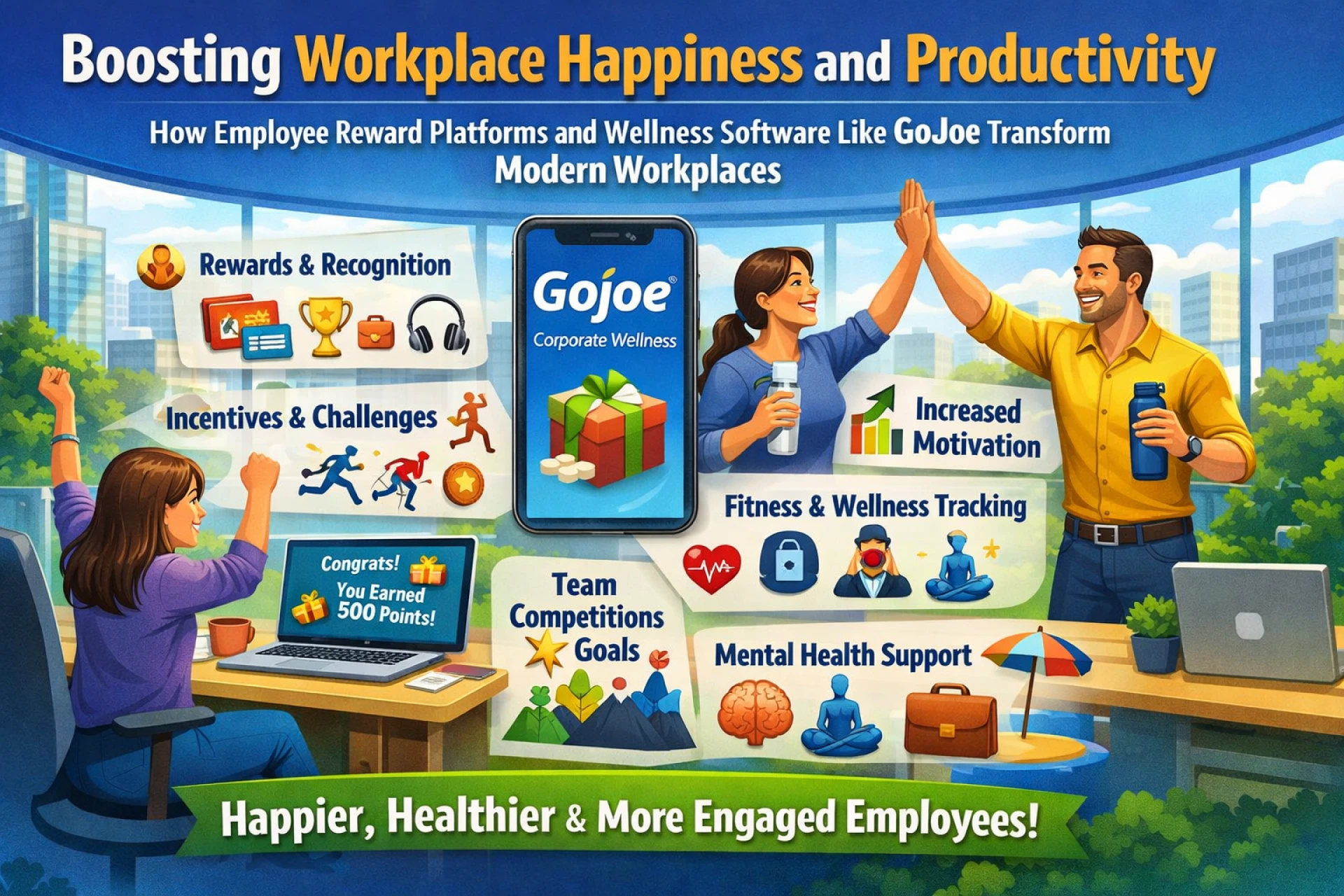

How Employee Reward Platforms and Wellness Software Like GoJoe Transform Modern Workplaces
In the evolving world of work, organisations are no longer judged solely by salary packages or office perks. Today’s workforce values purpose, support, and wellbeing above all. Employers who prioritise employee health and engagement are seeing impressive results not just in workplace culture, but also in productivity, retention, and overall business performance.
One of the biggest developments in this space is the rise of the employee wellbeing app and integrated reward platforms that help bridge the gap between employee needs and organisational goals. Solutions like GoJoe are reshaping how companies engage staff, promote healthy lifestyles, and build stronger, more connected teams.
In this article, we’ll explore why these tools matter, how they elevate workplace happiness, and why businesses looking to future-proof their culture should view them as essential rather than optional.
Why Workplace Happiness Matters More Than Ever
Modern work environments can be demanding. Hybrid and remote work models, blurred boundaries between professional and personal life, and increased performance expectations have left many employees feeling fatigued or disconnected from their colleagues.
Employee happiness is no longer a secondary consideration. It directly impacts performance and long-term sustainability. Research consistently shows that happy employees:
- Demonstrate higher productivity and creativity
- Show stronger loyalty and lower turnover
- Contribute to a more positive workplace culture
- Take fewer sick days and engage more deeply in company initiatives
Organisations that ignore wellbeing often struggle with disengagement, burnout, and talent loss. Those that invest in structured wellness initiatives, on the other hand, create resilient and motivated teams.
The Rise of the Employee Wellbeing App
Technology has made it easier than ever to embed wellness into everyday work life. A well-designed employee wellbeing app brings physical, mental, and social health into one accessible digital platform.
Instead of running one-off wellness campaigns that lose momentum, companies can now create ongoing engagement through challenges, activity tracking, rewards, and social interaction. The key difference is sustainability. A strong employee wellbeing app makes healthy habits part of company culture rather than a temporary initiative.
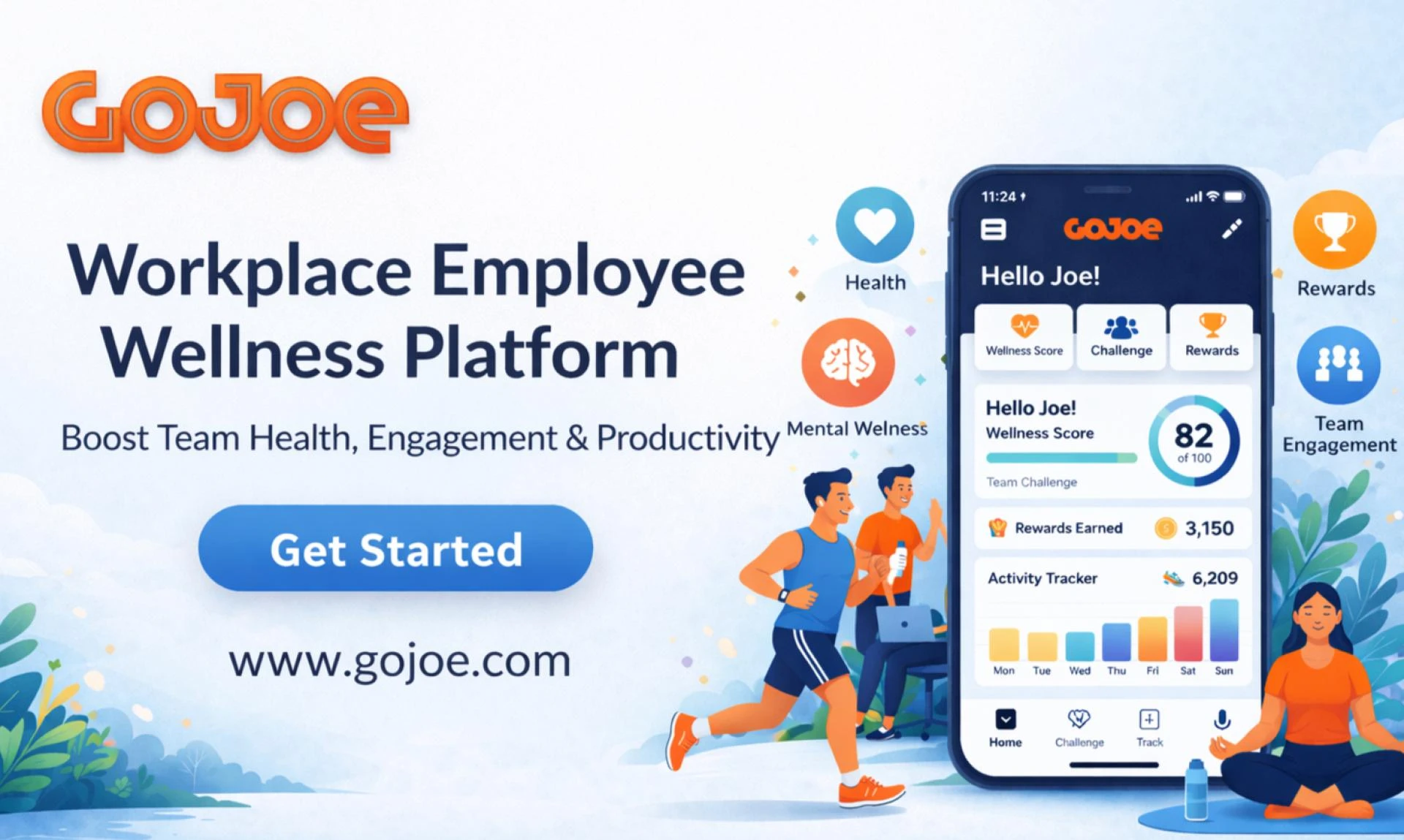
Platforms like GoJoe provide features such as:
- Activity tracking across multiple types of exercise
- Team-based challenges that foster collaboration
- Gamification elements including points and leaderboards
- Reward systems that recognise consistent participation
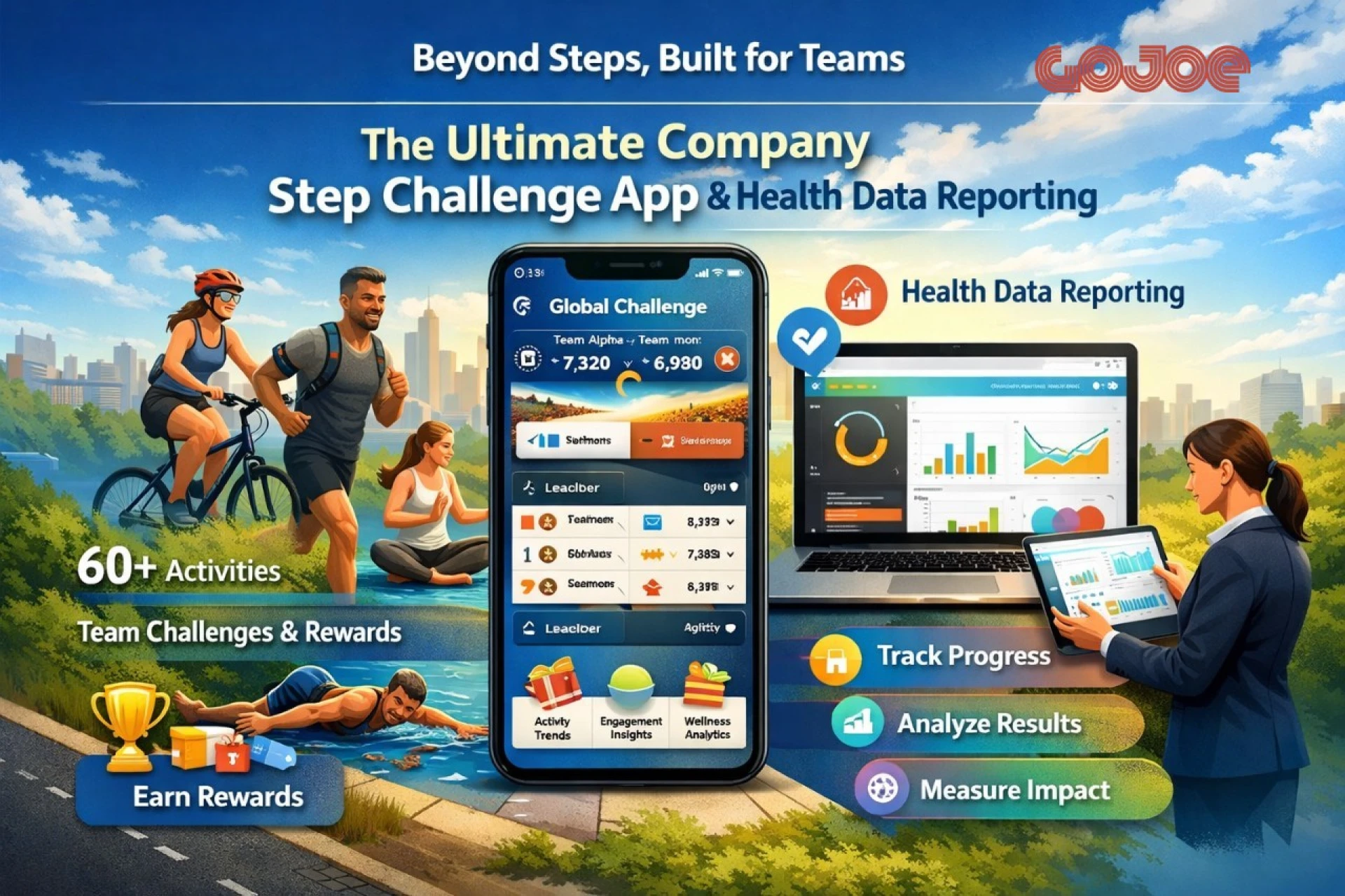
- Data insights that help HR teams measure engagement levels
By combining these elements, organisations turn wellness into something dynamic and interactive rather than administrative.
Why a Corporate Step Challenge App Still Works
Step challenges have long been a gateway into workplace wellness. While they may sound simple, when implemented correctly through a modern corporate step challenge app, they can significantly increase engagement.
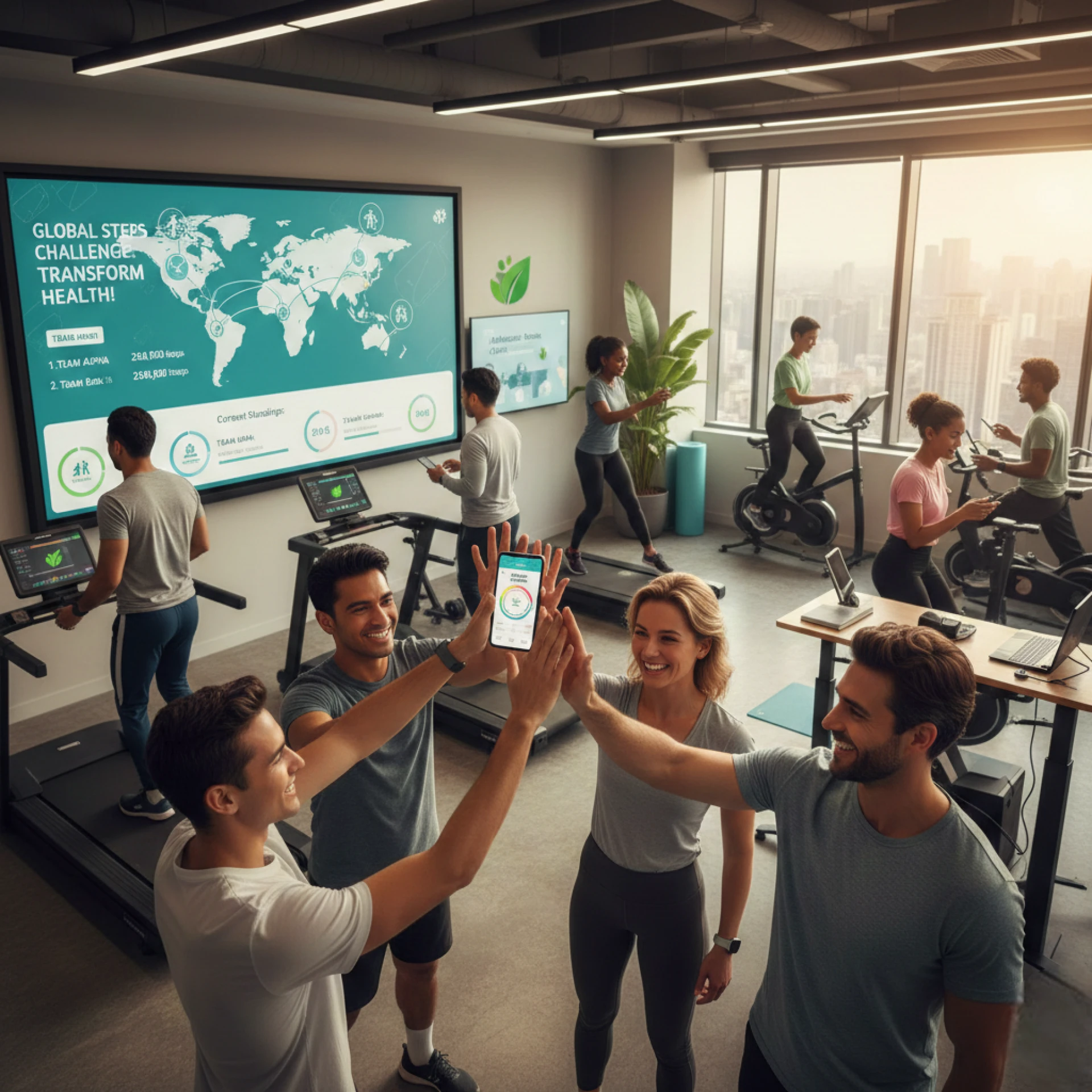
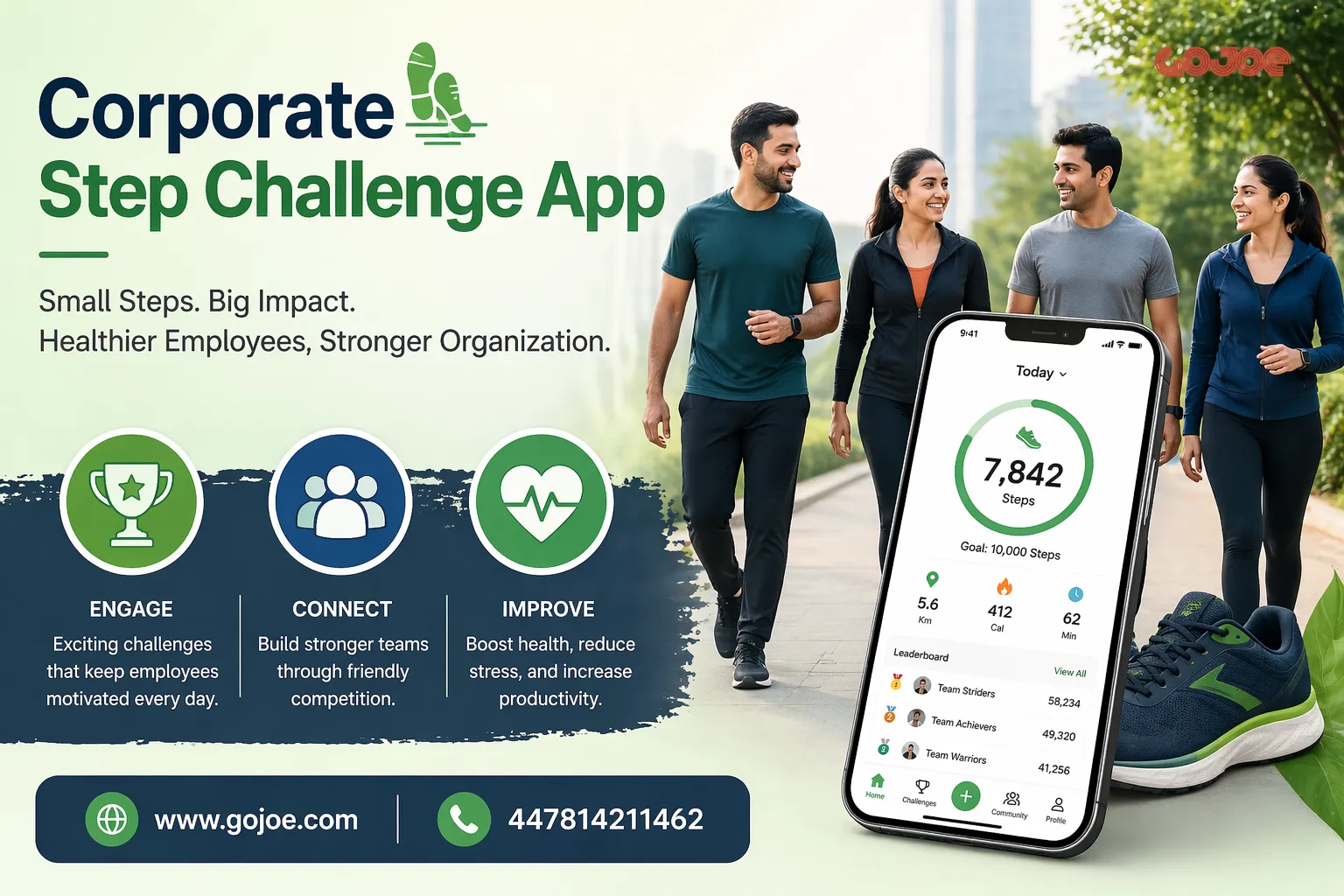
A corporate step challenge app does more than count steps. It creates shared goals and healthy competition among teams. Employees track progress in real time, celebrate milestones, and motivate one another to stay active.
The reason this works is simple: it is inclusive and easy to understand. Walking is accessible to most people, regardless of fitness level. When structured as a team challenge, it builds camaraderie across departments, offices, and even countries.
More advanced platforms expand beyond steps, allowing users to log a variety of activities so everyone feels included. This broader approach ensures the wellness strategy does not unintentionally exclude employees who prefer cycling, swimming, yoga, or other forms of movement.
The Link Between Wellness and Productivity
The connection between employee wellbeing and productivity is no longer theoretical. Healthier employees tend to have:
- Higher energy levels
- Improved concentration
- Reduced stress
- Better collaboration with colleagues
When companies implement an employee wellbeing app as part of their engagement strategy, they often see measurable improvements in morale and output.
Encouraging regular movement through a corporate step challenge app can reduce sedentary behaviour, which is closely linked to fatigue and decreased focus. Even small increases in daily activity can have a noticeable effect on mental clarity and motivation.
Moreover, when employees feel that their employer genuinely cares about their wellbeing, trust increases. That trust translates into greater commitment and discretionary effort.
Strengthening Culture Through Shared Goals
One of the most overlooked benefits of wellness platforms is their impact on company culture. In hybrid and remote environments, spontaneous social interaction has declined. Wellness challenges can recreate that sense of connection.
Team-based challenges encourage conversation beyond work tasks. Employees celebrate wins together, support each other during slower weeks, and build relationships that extend into collaborative projects.
An employee wellbeing app helps break down departmental silos. A marketing executive in one region may find themselves competing alongside a finance colleague in another. These interactions build familiarity and trust across the organisation.
In addition, recognition features and reward systems reinforce positive behaviours. When participation is acknowledged, employees feel valued. Recognition does not always need to be monetary; sometimes visibility and appreciation are equally powerful motivators.
Retention and Employer Branding
Attracting and retaining talent has become increasingly competitive. Candidates now evaluate company culture as closely as compensation packages. A visible commitment to wellness can be a strong differentiator.
Offering a structured employee wellbeing app signals that the organisation invests in its people beyond their job descriptions. It shows a long-term commitment to sustainable performance rather than short-term output.
A corporate step challenge app also generates shareable success stories. Employees often talk about positive wellness initiatives, strengthening employer branding both internally and externally.
Retention improves when employees feel supported. Wellness platforms contribute to this by helping individuals manage stress, maintain healthy routines, and stay connected with colleagues.
What to Look for in a Wellness Platform
If your organisation is considering implementing an employee wellbeing app, several factors should guide the decision:
Inclusivity
The platform should support employees of varying fitness levels, interests, and abilities.
Ease of Use
Complicated systems discourage participation. A simple and intuitive interface is essential.
Gamification
Points, challenges, and leaderboards help maintain engagement over time.
Social Features
Community elements such as team competitions and group challenges strengthen participation.
Measurable Insights
HR teams should have access to data that helps refine and improve wellbeing strategies.
When these elements come together, wellness becomes part of the company’s identity rather than a separate initiative.
Conclusion
Workplace wellbeing is no longer optional. It is a strategic investment that influences productivity, engagement, retention, and overall organisational success.
An effective employee wellbeing app provides structure, motivation, and inclusivity. A well-designed corporate step challenge app creates shared goals and friendly competition that strengthen team dynamics. Together, these tools transform wellness from a policy into a lived experience.
Companies that embrace these solutions position themselves as forward-thinking employers who value both performance and people. The result is a workforce that is healthier, happier, and more engaged an outcome that benefits everyone involved.
Frequently Asked Questions
1. What is an employee wellbeing app?
An employee wellbeing app is a digital platform designed to support employees’ physical, mental, and social health through features such as activity tracking, challenges, rewards, and engagement tools.
2. How does a corporate step challenge app improve engagement?
A corporate step challenge app encourages friendly competition, sets shared goals, and fosters collaboration across teams. This boosts motivation and builds stronger workplace relationships.
3. Are these platforms suitable for remote teams?
Yes. Digital wellness platforms are particularly effective for remote and hybrid teams because they create shared experiences regardless of location.
4. Do wellness platforms actually improve productivity?
Healthier employees tend to have higher energy levels, improved focus, and reduced stress, all of which contribute to stronger performance and productivity.
5. Can smaller companies benefit from an employee wellbeing app?
Absolutely. Wellness platforms can be scaled to suit organisations of all sizes, making them valuable for both small businesses and large enterprises.
6. How long does it take to see results?
While engagement improvements can be visible within weeks, long-term cultural and productivity benefits typically develop over several months of consistent use.
















Sign in to leave a comment.