
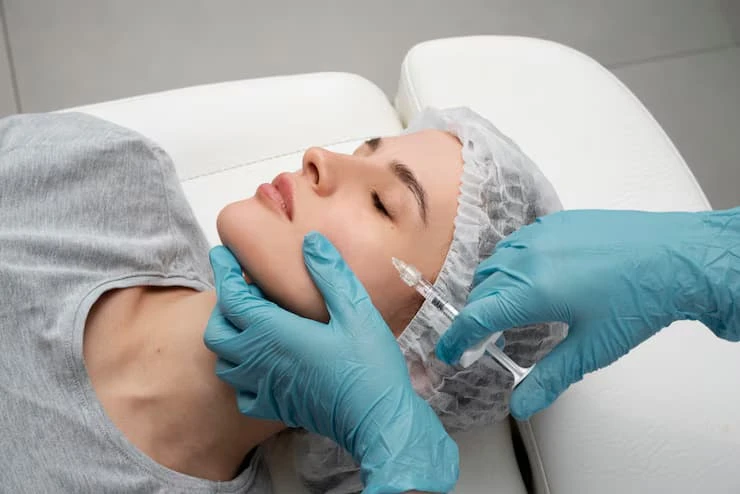
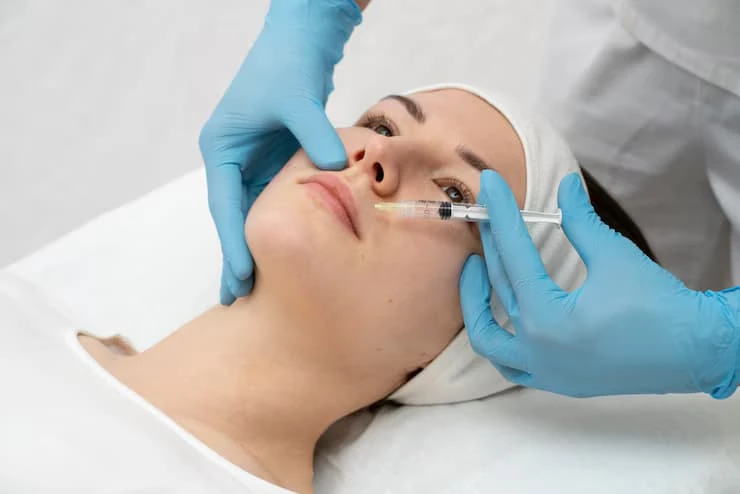
In the field of cosmetic procedures, "Botox", the brand name for botulinum toxin, has become a household term. Because of its widespread application in mitigating the appearance of fine lines and wrinkles, it is a well-liked option for people looking for non-surgical facial rejuvenation. Despite its seeming simplicity, Botox injections need exact methods and a thorough grasp of the anatomy of the face to produce safe and effective outcomes. In this blog, you can read about all you need to know about Botox anatomy training, from the fundamentals of facial anatomy to the training method and its significance.
Understanding The Anatomy Of The Face
It is important to have a firm understanding of facial anatomy before delving into the specifics of Botox anatomy training. The human face is a complicated structure made up of many muscles, blood vessels, and nerves that are important for facial expressions and overall appearance. Important elements of facial anatomy consist of the following:
Muscles - Facial expressions are produced by the muscles of the face. To produce a variety of moods and motions, these facial muscles constrict and relax. The following muscles are pertinent to Botox treatments:
Frontalis Muscle- This muscle is located on the forehead and is responsible for raising your eyebrows and creating forehead furrows.Glabellar Muscles- These are situated between your eyebrows and are responsible for creating the frown lines, also known as 11 lines.Orbicularis Oculi Muscle- This muscle encircles the eyes and is responsible for all eye movements, under-eye wrinkles and crow’s feet.Orbicularis Oris Muscle- This surrounds the mouth and is responsible for the movements of the mouth and smile lines.
Nerves- Both voluntary and involuntary face motions are made possible by the signals that nerves send from the brain to the facial muscles. The facial nerve, which regulates the muscles and expressions on the face, is the main nerve linked to Botox.
Blood Vessels- The skin and underlying structures receive oxygen and nutrients from the facial arteries. Understanding the structure of the veins is essential to preventing problems when receiving Botox injections.
The Importance Of Botox Anatomy Training
Botox, though it appears to be a simple procedure, can be very risky. If not done in a medically precise way, the results can be very scary and unfortunate. Botox anatomy training is important for several reasons-
Like any medical operation, Botox injections must be done with the utmost safety. Knowing the anatomy of the face aids professionals in preventing injury to important anatomical features, such as blood vessels and nerves, which, if damaged, can result in major issues.Precise Targeting
Botox works by relaxing particular muscles by obstructing their nerve signals. Professionals can achieve natural-looking outcomes by precisely targeting the right muscles with a deep understanding of facial structure.Customised Treatment
As each person's facial anatomy is different, there may be variations in the desired outcomes. Thorough anatomy training enables medical professionals to customise therapies to each patient's unique requirements, resulting in a more customised outcome.Reduced Side-effects
By ensuring that the Botox is delivered precisely, practitioners with the necessary training can minimise potential adverse effects, such as drooping or paralysis in the muscles.Ethical Practice
The cornerstone of any medical profession is ethical practice. Practitioners pledge to provide safe, efficient therapies that put their patients' health first by completing anatomy training.
The Botox Anatomy Training Process
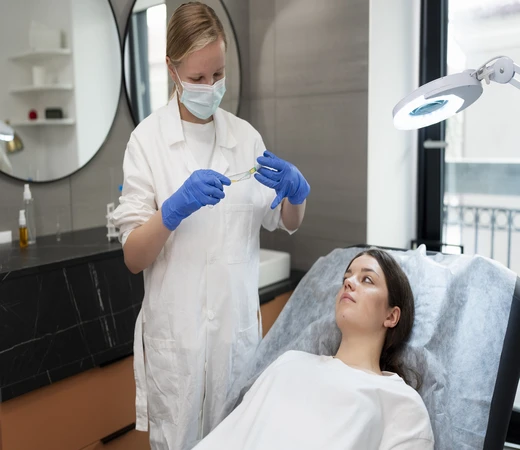
Botox is a procedure that is done by professionals with a medical background. A degree in medicine, dentistry or nursing is a prerequisite for becoming a botox treatment professional. You would also need the state-approved licence and certifications to start treating your patients with Botox. The training for botox anatomy involves the following-
Botox anatomy training is a continuous process. Healthcare workers should commit to continuing education and skill development to stay up to date with the newest methods, supplies, and safety regulations. Advanced training programmes, conference participation, working with seasoned professionals, and consistent self-evaluation are a few examples of this.
Preventing Complications Of Botox With Botox Anatomy Training
Even though they are uncommon when administered by qualified physicians, botox complications can happen. Thorough instruction in Botox anatomy reduces the possibility of complications and prepares practitioners to handle any problems that may emerge. Common issues consist of:
Why should I enrol for this course at KAAM?
KAAM’s Botox training course is open to registered medical professionals and other allied healthcare professionals.
The course is quite comprehensive and divided into basic and advanced levels with different durations. In the course, we ensure that students are exposed to the practical aspects while learning and will spend most of their time working and learning hands-on on real patients. This will give them the confidence to start practising immediately after the course. During the course, our students will have the chance to interact and network with the best industry experts in cosmetic dermatology and aesthetic surgery. The students will also learn the latest medical and technological advances in the field.
At KAAM, a hands-on approach is essential to learn when one desires a career in cosmetic dermatology. Meet with our experts to learn more about the course and its career prospects.
A key part of providing safe and efficient Botox treatments is teaching botox anatomy. It guarantees that medical personnel are knowledgeable about the architecture of the face, injection methods, safety precautions, and any side effects. Practitioners can give patients pleasing, natural-looking outcomes with a solid educational background and practical experience, which will ultimately improve the patient's self-esteem and general quality of life.
For anyone thinking about getting Botox treatments, it is important to find licensed, experienced practitioners who put safety and moral behaviour first. Selecting a practitioner who has received extensive training in Botox anatomy is essential for a positive and successful outcome, regardless of whether you're a healthcare professional seeking to grow your business or a private patient interested in Botox.




Sign in to leave a comment.