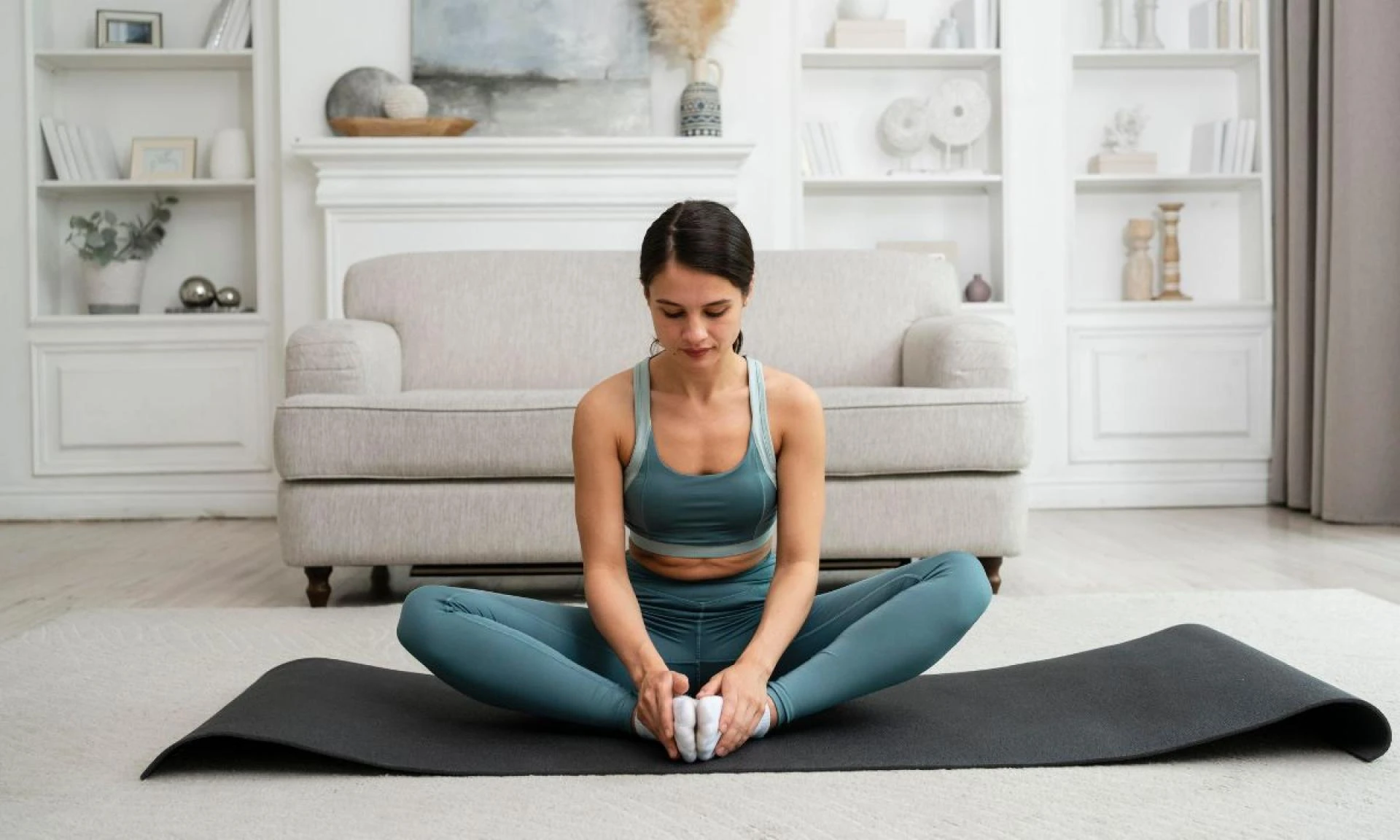

Yoga is a journey of self-discovery and transformation. Among its many poses, the Bound Angle Pose (Baddha Konasana) stands out for its simplicity, versatility, and incredible benefits. Whether you’re a seasoned yogi or just beginning your yoga practice, this pose deserves a spot in your routine.
In this blog post, we’ll dive deep into everything you need to know about the Bound Angle Pose. From its origins to how to practice it safely, we’ll explore the benefits, variations, common mistakes, and more. By the end of this guide, you’ll feel confident about incorporating Baddha Konasana into your practice. Let’s get started!
What Is Bound Angle Pose (Baddha Konasana)?
The Bound Angle Pose, also known as Cobbler’s Pose or Butterfly Pose, is a seated yoga posture that stretches the hips, groin, and inner thighs. In Sanskrit, “baddha” means “bound,” and “konasana” means “angle pose.” This pose is perfect for grounding yourself and promoting relaxation.
Often practiced at the beginning or end of a yoga session, Bound Angle Pose helps prepare the body for meditation or cools it down after an intense flow.
Benefits of Bound Angle Pose
Physical Benefits
- Improves Hip Flexibility: The pose gently stretches the inner thighs, groin, and hips, increasing flexibility over time.
- Boosts Blood Circulation: By opening the pelvic area, Baddha Konasana improves blood flow to the lower body.
- Relieves Lower Back Tension: Regular practice can ease tightness in the lower back and improve posture.
- Supports Digestive Health: The forward fold in variations of this pose can stimulate abdominal organs and improve digestion.
- Eases Menstrual Discomfort: Many women find relief from menstrual cramps and other discomforts by practicing this pose.
Mental and Emotional Benefits
- Promotes Relaxation: This pose encourages mindfulness and a sense of calm, reducing stress and anxiety.
- Grounds the Mind: Sitting close to the earth in Baddha Konasana creates a grounding effect, perfect for meditation.
- Builds Patience: Holding the pose and breathing through resistance teaches patience and resilience.
How to Practice Bound Angle Pose
Step-by-Step Instructions
- Find Your Seat: Sit on the floor with your legs extended straight out in front of you.
- Bring Your Soles Together: Bend your knees and pull your feet towards your pelvis. Allow the soles of your feet to touch.
- Hold Your Feet: Clasp your hands around your feet or ankles. Keep your back straight and your shoulders relaxed.
- Engage Your Thighs: Let your knees drop towards the floor, but don’t force them. Use gravity and time to deepen the stretch.
- Focus on Your Breath: Take slow, deep breaths. Inhale to lengthen your spine, and exhale to relax your knees further towards the ground.
- Optional Forward Fold: For a deeper stretch, hinge at the hips and fold forward. Keep your spine long and avoid rounding your back.
Duration
- Beginners: Hold for 30 seconds to 1 minute.
- Advanced: Hold for 3 to 5 minutes or longer for a meditative experience.
Mistakes and How to Avoid Them
1. Rounding the Back
- Mistake: Slouching or rounding the back while sitting.
- Fix: Sit on a cushion or yoga block to elevate your hips and maintain a straight spine.
2. Forcing the Knees Down
- Mistake: Pushing the knees forcefully towards the ground.
- Fix: Focus on relaxing the hips and letting gravity do the work. Be patient with your body.
3. Clenching the Shoulders
- Mistake: Hunching or tightening the shoulders.
- Fix: Relax your shoulders away from your ears and keep them soft.
Variations of Bound Angle Pose
1. Reclined Bound Angle Pose (Supta Baddha Konasana)
- Lie on your back with your feet together and knees apart. Place cushions or yoga blocks under your knees for support.
- Benefits: Deep relaxation, stress relief, and enhanced flexibility.
2. Bound Angle Pose with Forward Fold
- Lean forward from the hips while keeping your spine long. Rest your forehead on a block or your hands for support.
- Benefits: Increased stretch in the hips and a calming effect on the mind.
3. Butterfly Pose Flaps
- Sit in Baddha Konasana and gently flutter your knees up and down like butterfly wings.
- Benefits: Warms up the hips and increases mobility.
4. Supported Bound Angle Pose
- Sit against a wall for back support or use props like cushions under your thighs and hips.
- Benefits: Accessibility for beginners or those with limited flexibility.
When to Avoid Bound Angle Pose
While Baddha Konasana is generally safe, there are a few instances when you should exercise caution or avoid the pose altogether:
- Knee Injuries: If you have a knee injury, avoid placing stress on the joints. Use props or skip the pose if needed.
- Hip Pain: If you feel sharp pain in your hips, ease out of the pose and consult a yoga instructor.
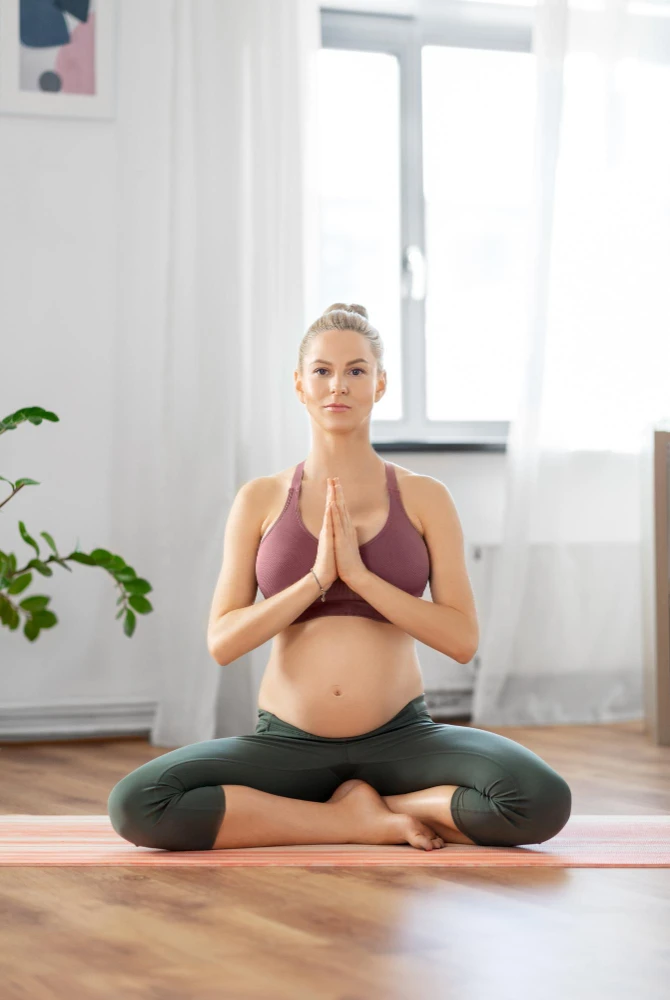
- Pregnancy: While the pose is beneficial during pregnancy, consult your doctor or prenatal yoga instructor to practice safely.
Tips to Enhance Your Practice
- Use Props: Yoga blocks, cushions, and blankets can make the pose more comfortable and accessible.
- Warm Up: Stretching or practicing gentle hip openers before Baddha Konasana can improve your range of motion.
- Be Consistent: Regular practice will increase flexibility and comfort in the pose over time.
- Incorporate Breathing Techniques: Focus on deep, steady breaths to relax your body and mind.
- Set an Intention: Use this pose as a time to set a positive intention or meditate.
Integrating Bound Angle Pose into Your Yoga Routine
Morning Practice
- Begin your day with Baddha Konasana to open your hips and boost blood flow.
Pre-Meditation
- Use this pose to settle your body and mind before diving into meditation.
Cool-Down
- Incorporate the pose at the end of a yoga session to relax and ground yourself.
Fun Facts About Bound Angle Pose
- It’s also called “Cobbler’s Pose” because cobblers in India traditionally sit in this posture while working.
- In some traditions, Baddha Konasana is believed to enhance fertility and vitality.
- It’s a favorite among runners and athletes for its hip-opening benefits.
Final Thoughts
Bound Angle Pose (Baddha Konasana) is more than just a hip opener; it’s a pathway to relaxation, flexibility, and self-awareness. Whether you’re seeking physical benefits or a moment of mindfulness, this pose can transform your yoga practice.
Remember to listen to your body, practice with patience, and enjoy the journey. With time and consistency, you’ll discover the full potential of this grounding yoga posture.
Now it’s your turn! Roll out your yoga mat, give Baddha Konasana a try, and let us know how it feels in the comments below. Namaste!





Sign in to leave a comment.