Understanding the Box Build Assembly Process
The box build assembly process goes far beyond simply mounting components onto a printed circuit board (PCB). It encompasses the integration of electronic, mechanical, and electro-mechanical components into a complete, operational unit built to meet exact customer specifications.
In today's fast-paced electronics industry, the demand for scalable and dependable box build assembly services is rising rapidly. This full-system approach consolidates multiple production stages—streamlining workflows, enhancing quality control, and improving delivery timelines.
In this guide, we’ll explore each step of the box build assembly process, highlight the essential components involved, and discuss the business advantages of working with a trusted box build assembly company—from parts sourcing to final shipment.
Core Components Involved in the Box Build Assembly Process
The performance and reliability of any box build assembly depend on how well its parts are selected, integrated, and tested. Below is a breakdown of the key components that come together to form a complete, functional enclosure ready for deployment or system-level integration.
1. Printed Circuit Board Assemblies (PCBAs)
At the heart of every electronic system, PCBAs serve as the central control and communication hub. These pre-assembled boards include mounted components like microcontrollers, voltage regulators, and signal processors. Whether built in-house or provided by a PCB assembly partner, PCBAs are one of the first modules tested and installed during the box build process.
2. Cables and Wire Harness Assemblies
Internal connectivity is established using custom-cut cable assemblies and wire harnesses that interlink modules, control panels, and power sources. Accurate routing and secure crimping ensure signal integrity and minimize risks of electrical interference or physical damage during operation.
3. Power Supply Units and Regulation Modules
Power distribution across the device is handled through power supply units such as battery packs, AC-DC converters, and voltage regulators. These modules are selected based on required current ratings, efficiency, heat generation, and safety certifications.
4. Electromechanical Devices
To bridge the gap between software and motion, electromechanical components like motors, solenoids, fans, sensors, and relays are carefully mounted. Their role is to execute physical functions under precise electronic control, enabling real-time performance in various industrial applications.
5. Enclosures and Protective Chassis
The final assembly is housed within custom-designed enclosures made from high-grade plastics or metals. These are tailored with cut-outs, standoffs, and gaskets to meet protection standards such as IP or EMI shielding, while also ensuring mechanical stability and aesthetics.
6. Displays, Interfaces, and Control Panels
User interaction is facilitated through integrated LCD displays, tactile keypads, buttons, or status indicators. These elements must be ergonomically placed, securely mounted, and tested for responsiveness, especially in mission-critical or high-usage environments.
7. Software & Firmware Installation
When necessary, firmware or embedded software is flashed onto microcontrollers or processors using automated programming tools. This step may involve jig-based testing, revision tracking, and post-installation validation to ensure functional integrity.
8. Thermal Management and Cooling Components
Devices that generate significant heat require effective thermal control. This may include fans, heat sinks, or thermal pads to dissipate heat and stabilize internal temperatures, thereby increasing the lifespan and performance of the assembled product.
You May Also Like: A Detailed Guide to Surface Mount Technology (SMT) in PCB Assembly
Step-by-Step Box Build Assembly Process: From Procurement to Packaging
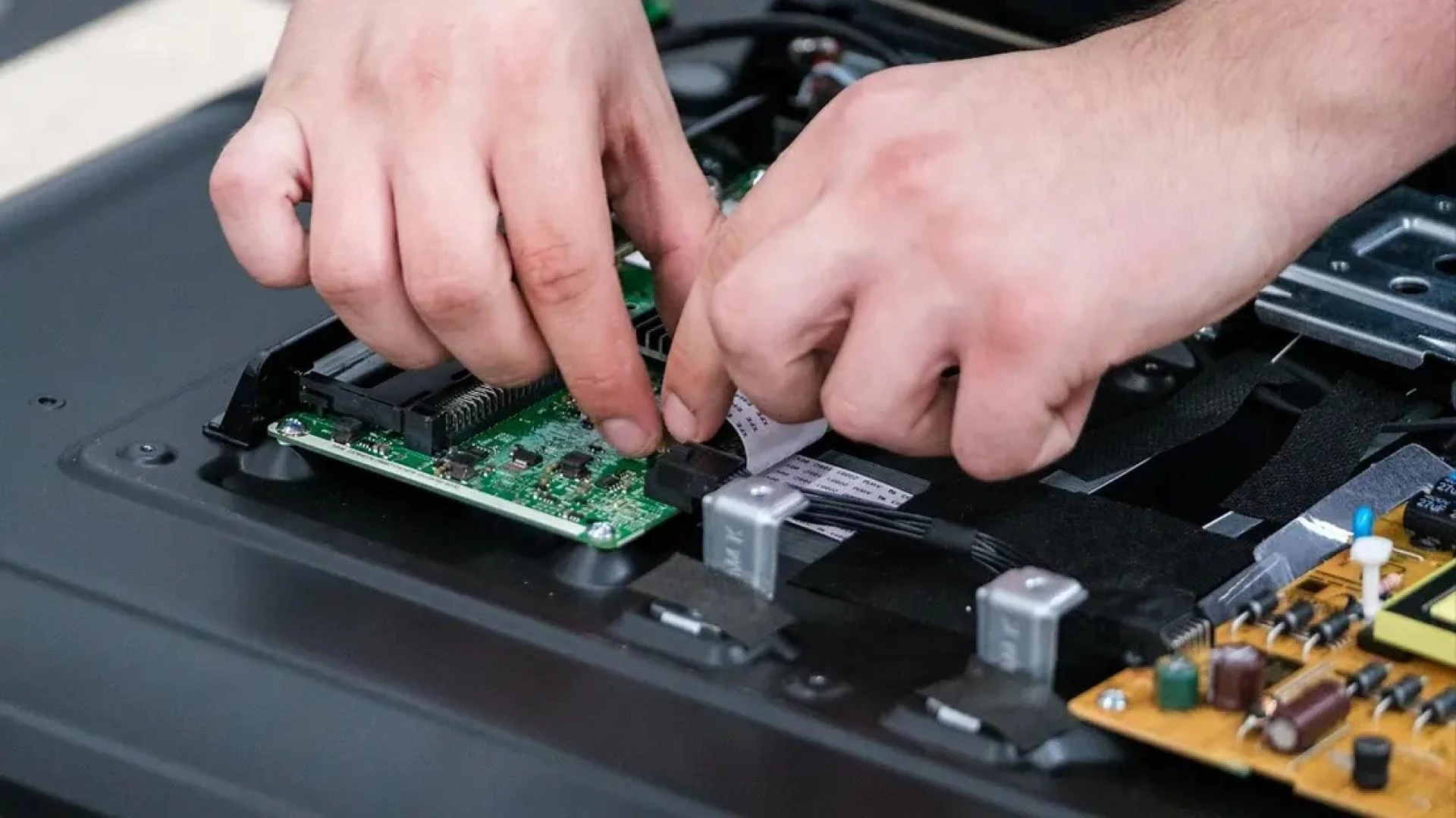
Technician connecting internal cables during box build assembly
A professional box build assembly process follows a highly structured workflow—ensuring quality assurance, traceability, and efficiency at each stage. Below is a detailed breakdown of the steps typically used by top electronics manufacturing service (EMS) providers.
1. Strategic Component Procurement
Every project begins with sourcing components based on the OEM’s approved Bill of Materials (BOM). This includes:
- PCB assemblies (tested or unpopulated)
- Cables, wire harnesses, and terminals
- Power supplies, sensors, and control panels
- Enclosures, fans, switches, screws, and fasteners
Each part is sourced with attention to quality, lead time, and certification (such as RoHS, ISO 9001). For industries like aerospace, medical, and transportation, full traceability is mandatory.
2. Pre-Assembly and Submodule Preparation
Efficiency starts before the final build. Key sub-assemblies are prepared ahead of time:
- Cables are cut, stripped, and fitted with appropriate connectors
- Brackets, button modules, and panel inserts are assembled
- Heat shrink, barcoding, and labeling are applied for identification
Each submodule undergoes individual testing to confirm compliance with both mechanical and electrical specifications before moving to full integration.
3. Final Mechanical and Electrical Integration
In this critical step, all components are unified inside the main chassis:
- PCBAs are installed using standoffs or slotted fixtures
- Wire harnesses are routed with clips or ties for neat organization
- Displays, switches, and I/O interfaces are mounted securely
- Thermal pads, EMI shields, and insulation layers are added as required
Assembly technicians follow detailed Work Instructions (WI) and Standard Operating Procedures (SOPs) to ensure consistent quality and repeatability.
4. Comprehensive Testing and Quality Control
Before shipment, each unit undergoes strict multi-point testing:
- Power-on diagnostics to validate voltage/current flow
- Functional verification for interfaces, buttons, and displays
- Firmware version checks and flash verification
- Continuity, resistance, and insulation integrity testing
- AOI (Automated Optical Inspection) and optional vibration or environmental testing
All results are logged, and test reports are stored for compliance and warranty tracking.
5. Secure Packaging and Shipping Logistics
Once a product clears testing, it's packed for protection and shipping:
- Products are wrapped using ESD-safe and impact-resistant materials
- Manuals, labels, and compliance documents are added per customer requirements
- Devices are serialized, scanned, and shipped directly to distributors, end users, or warehouses
Leading electronics manufacturing companies often provide drop shipping, global fulfillment, and custom kitting services as part of their value-added box build support.
You May Also Like: A Step-by-Step Guide to the PCB Assembly Process in Electronic Manufacturing
Why Partner with a Professional Box Build Assembly Company?
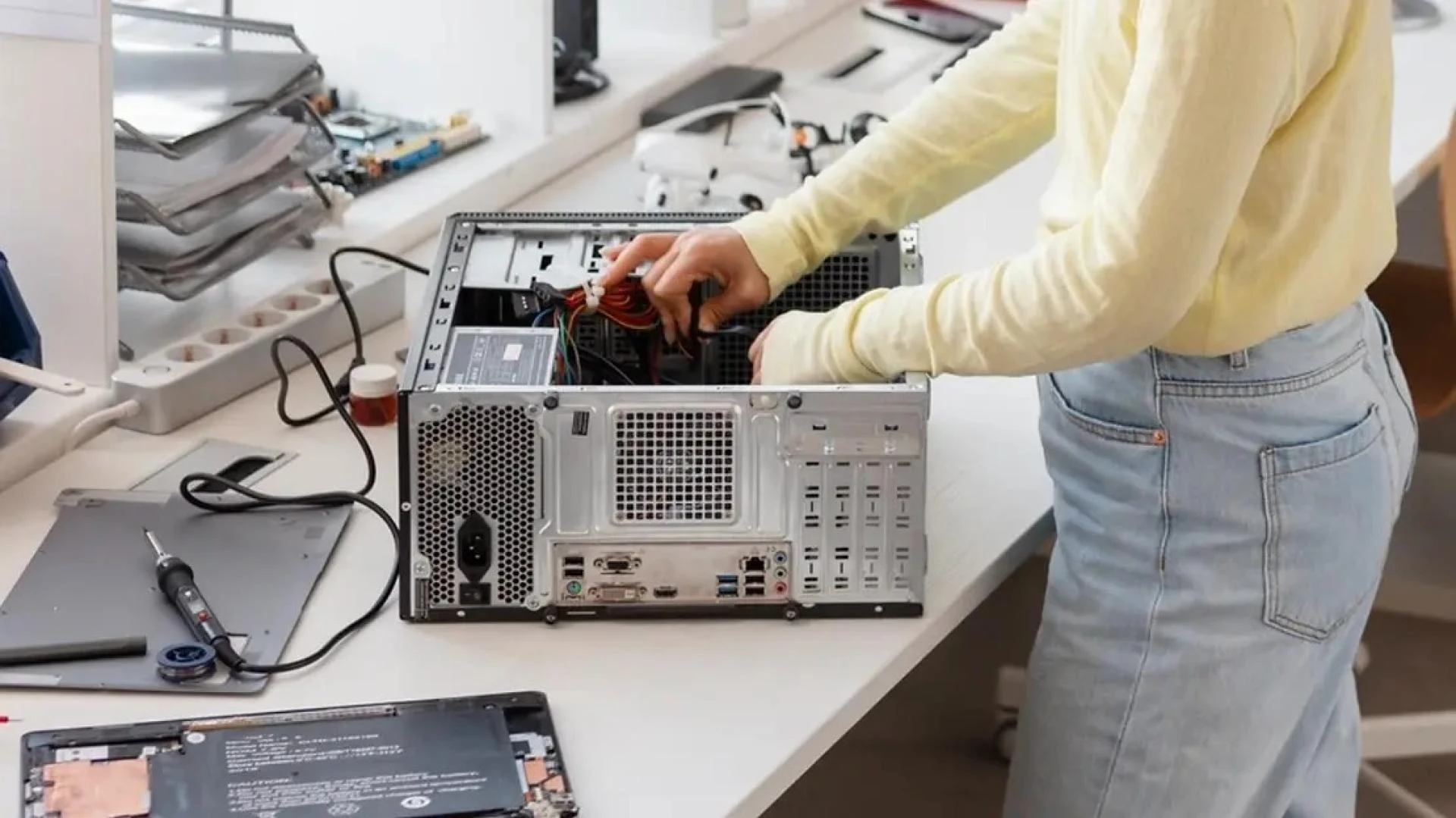
Technician assembling box build unit
Choosing the right box build assembly company delivers measurable benefits for OEMs, startups, and enterprise manufacturers. Here's how partnering with an experienced provider makes a difference:
1. Supply Chain Optimization
A single-source box build assembler streamlines procurement, reducing your supplier base and simplifying inventory and logistics.
2. Reduced Cost and Faster Time-to-Market
By managing integration, testing, and packaging in-house, an experienced box build assembly manufacturer cuts lead times, reduces overhead, and accelerates delivery cycles.
3. Design for Manufacturability (DFM) Expertise
Top-tier providers offer DFM analysis during design, helping minimize design flaws, reduce rework, and improve manufacturability before production starts.
4. Guaranteed Quality and Compliance
Reputable box build assembly services follow global standards like IPC-A-610, ISO 9001, and RoHS. This ensures your product meets regulatory requirements and performs reliably under real-world conditions.
5. Complete Turnkey Solutions
From PCB box build assembly and full product integration to packaging and shipping, turnkey partners manage everything—freeing your internal teams to focus on R&D, sales, or scaling your next big idea.
Conclusion: Streamline Production with the Right Box Build Assembly Partner
The box build assembly process is the final, essential step in delivering a complete electronic product. When handled by experts, it ensures functional accuracy, long-term reliability, and market readiness.
A2Z Electronics LLC offers end-to-end box build assembly services for industrial, transportation, medical, and consumer electronics applications. Our experienced team ensures you get a finished product with unmatched precision, speed, and reliability.
✅ Looking to simplify your production and reduce risk? Contact A2Z Electronics today to get started with expert-level electronics manufacturing services.

























Sign in to leave a comment.